10+
Years of Global Contract Export
100%
Pre-Shipment Factory QC Inspection
<24h
B2B Custom Quote & Lead Assessment
BIFMA
Compliant Structural Integrity Standards
Export Product Catalog
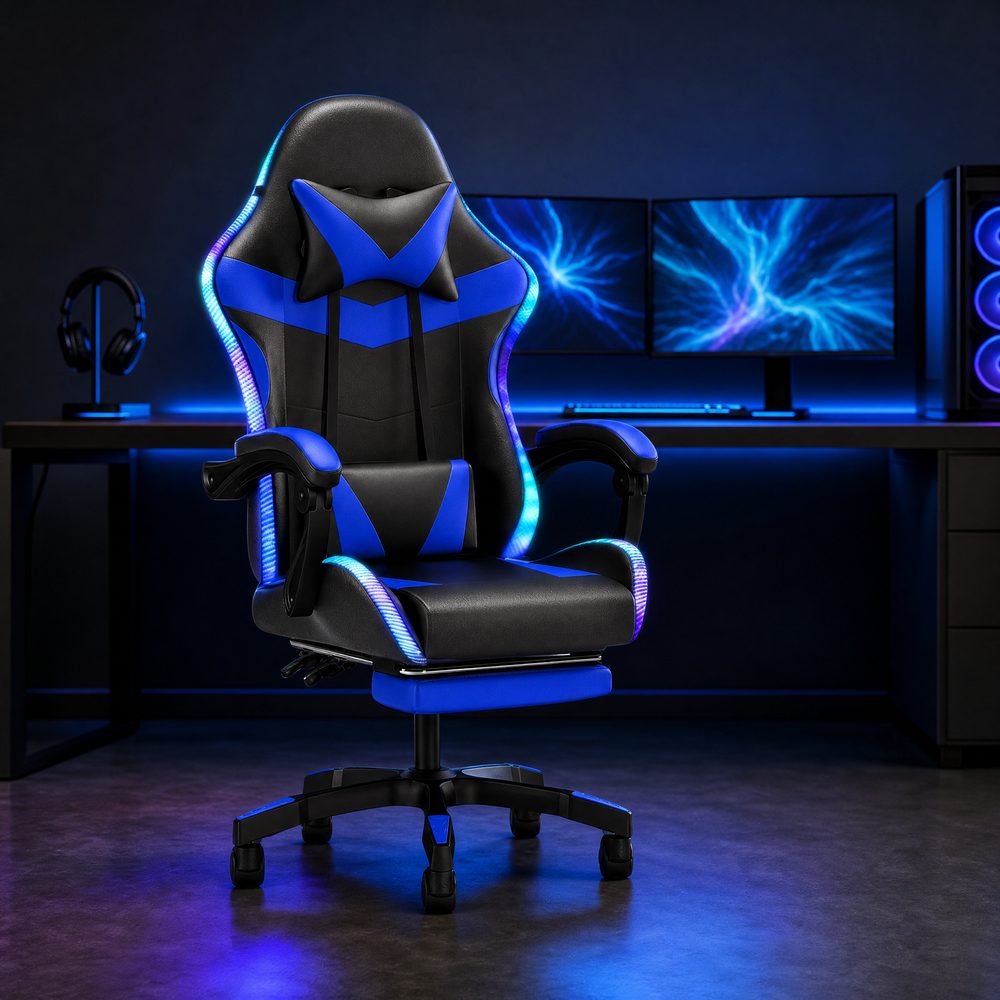
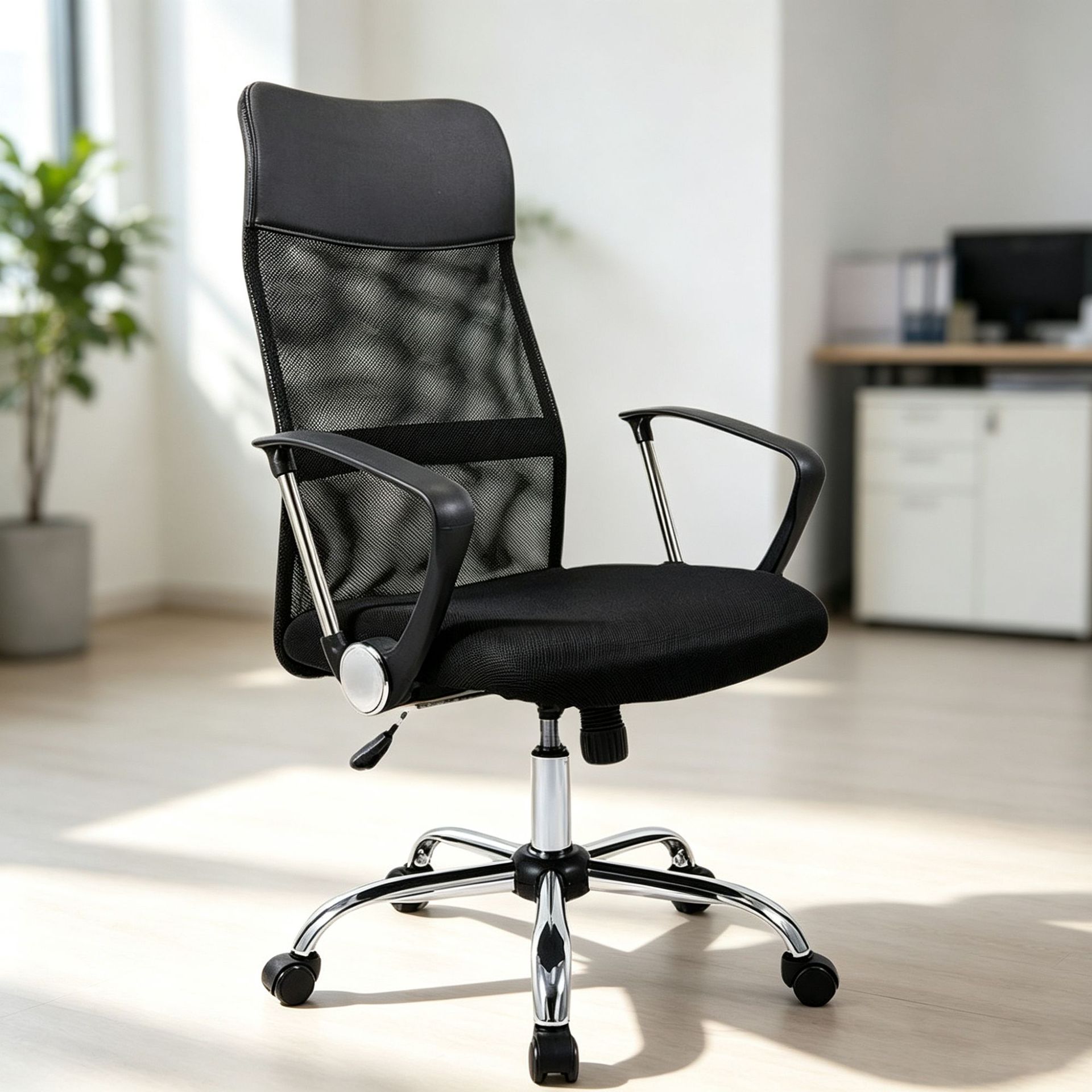
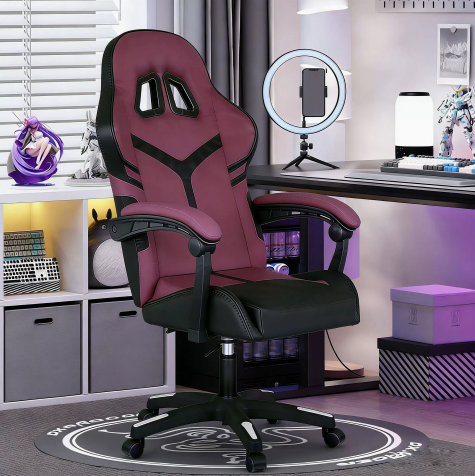
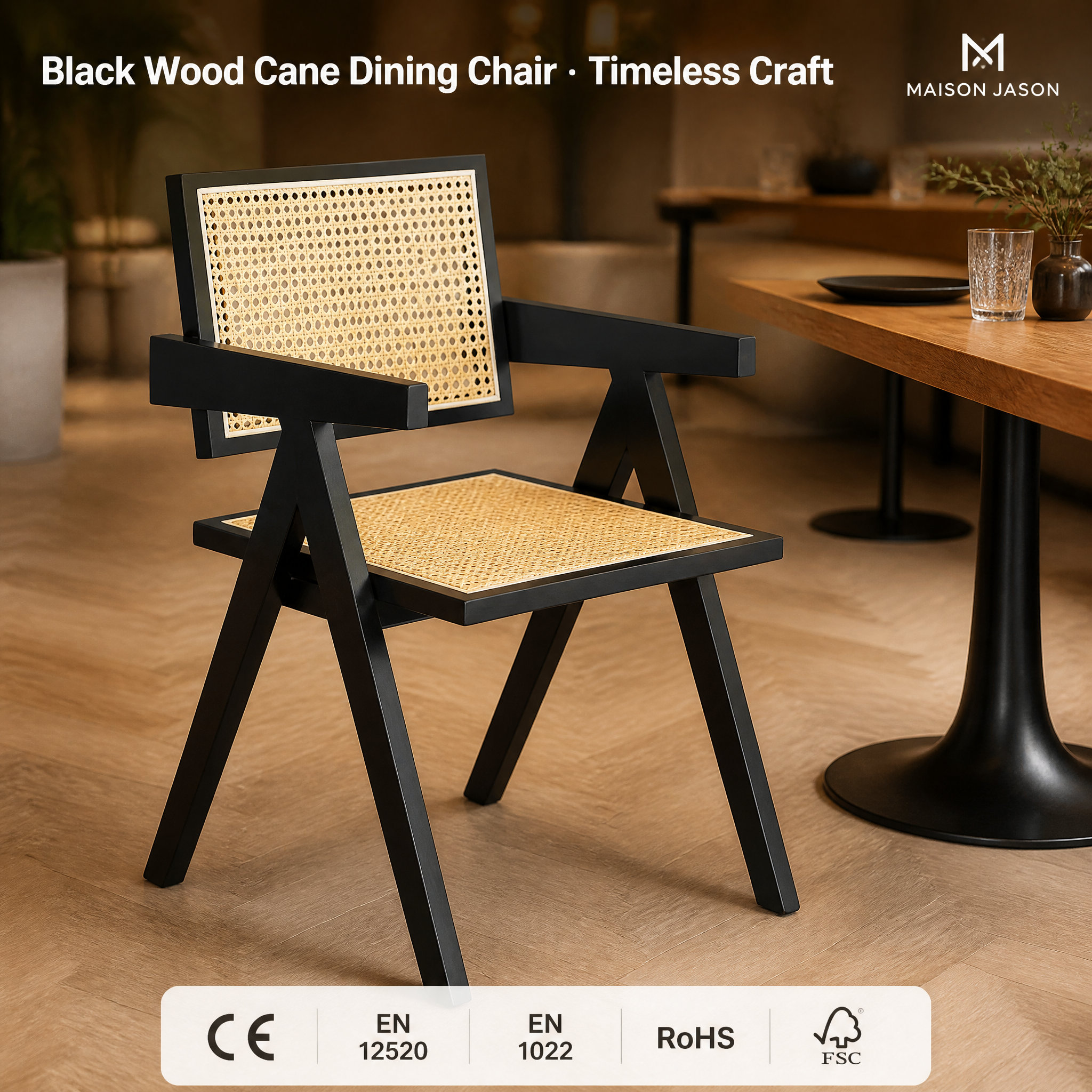
Commercial Seating Solutions for Cafes, Dining, and Hybrid Venues
Combining heavy-duty engineering, ergonomic posture support, and modern aesthetic designs to maximize commercial venue ROI and customer comfort.
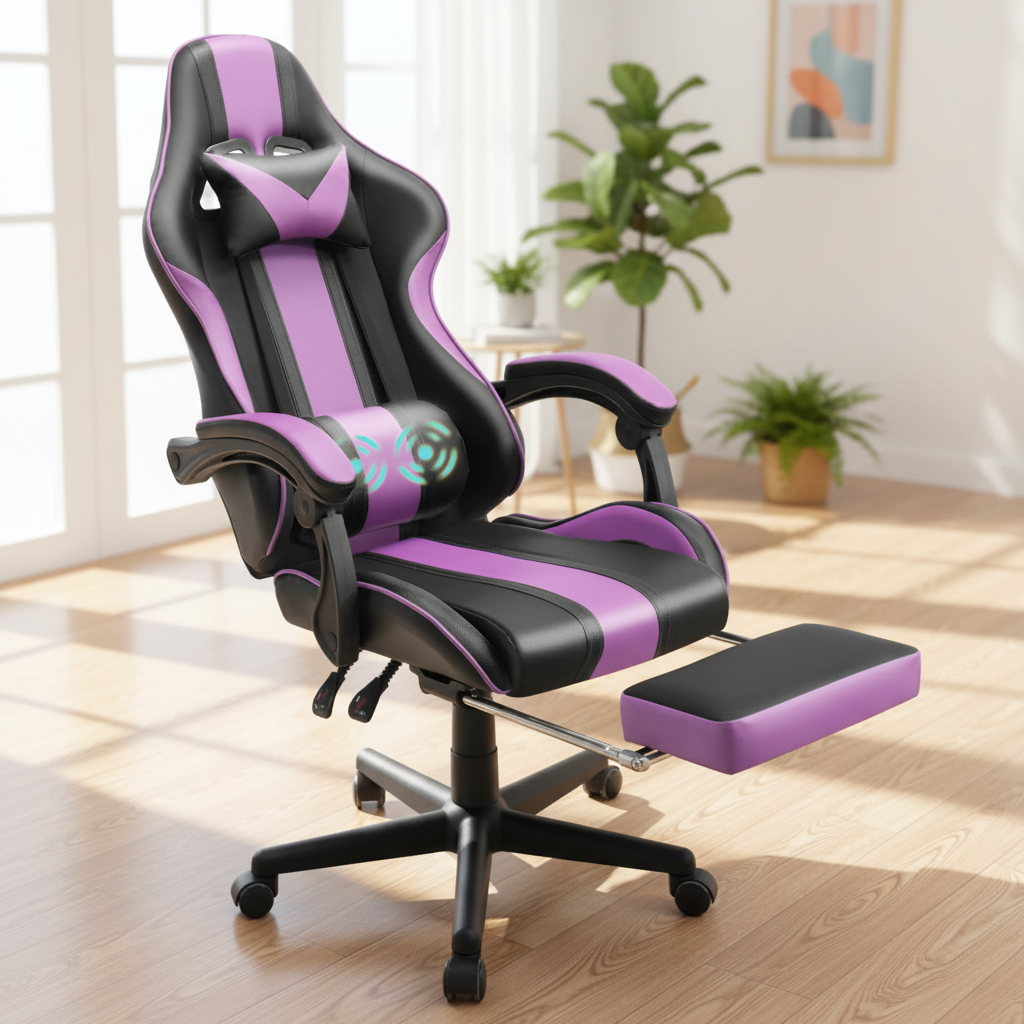
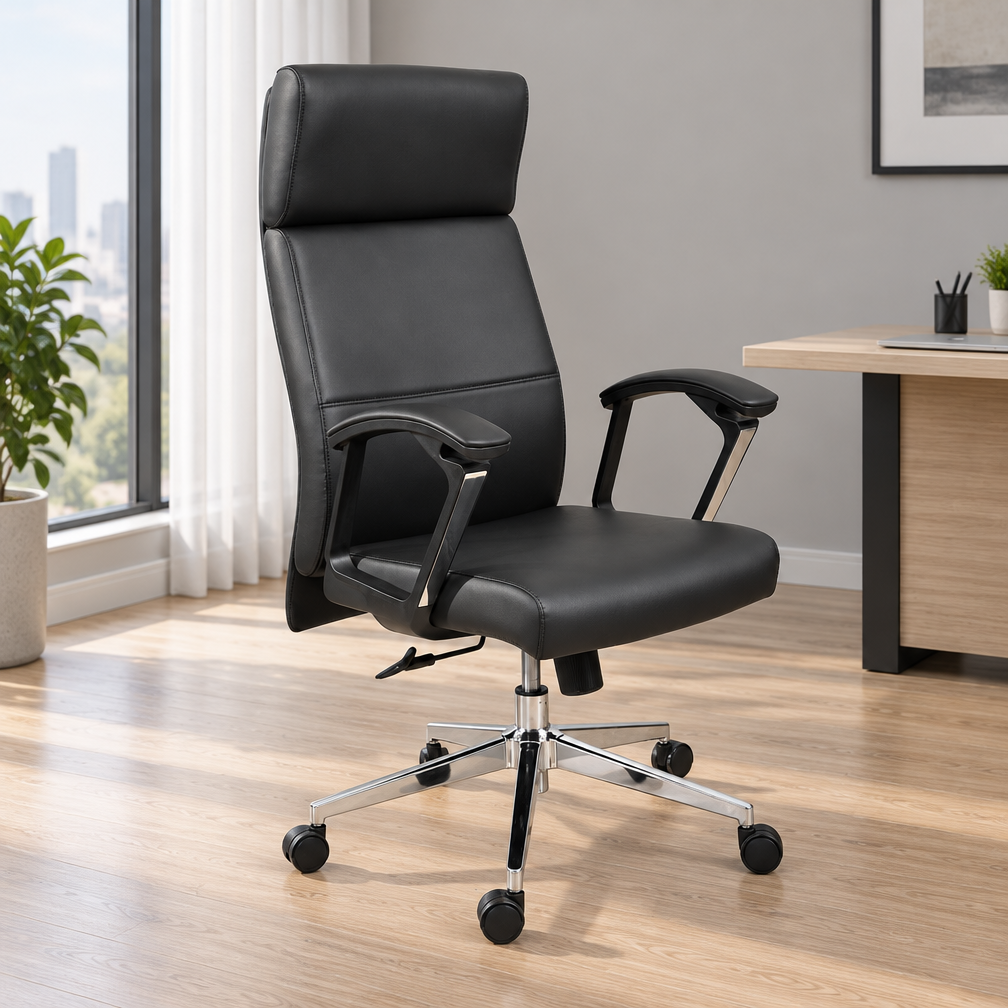
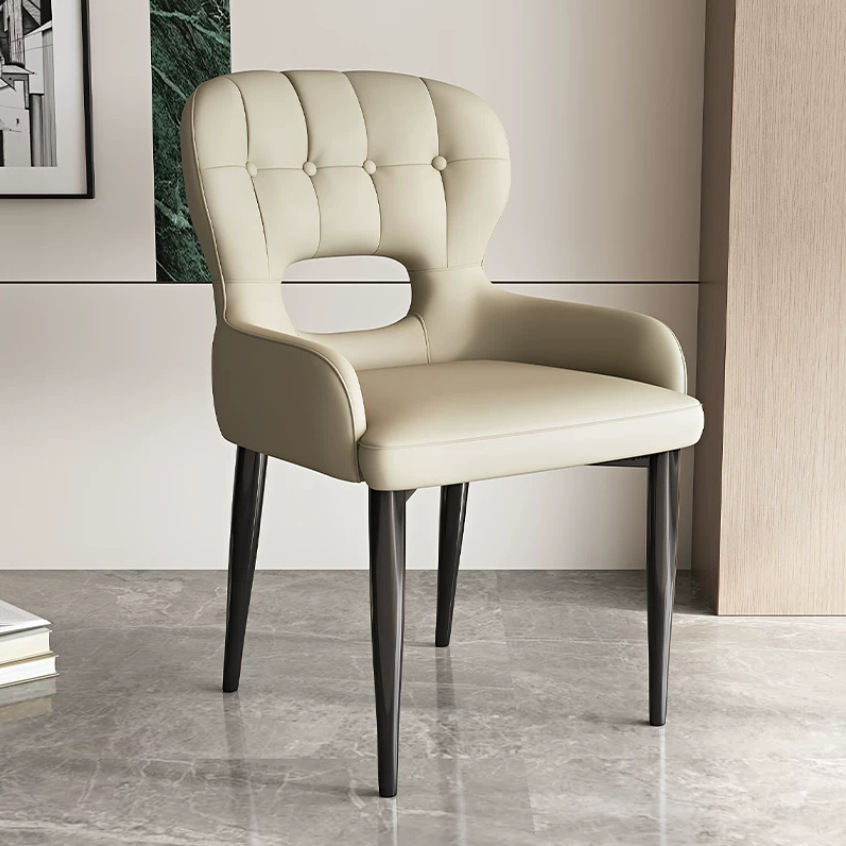
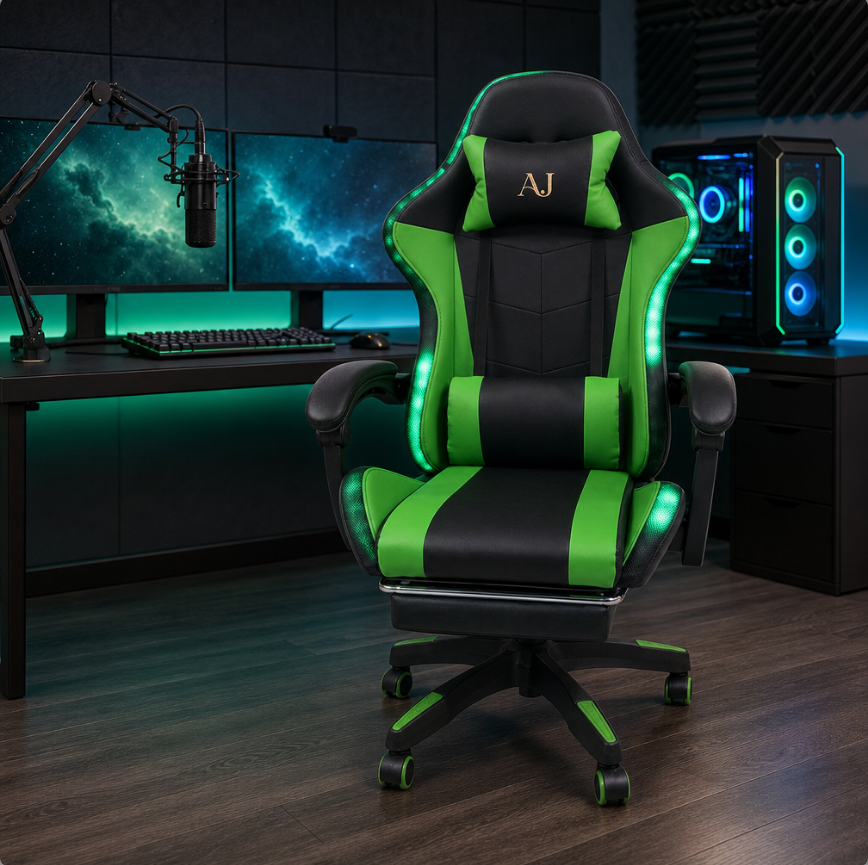
Industry Sourcing Analysis
Engineering Standards & Next-Gen Trends in Commercial Dining Furniture
Strategic insights for procurement directors, contract specifiers, and hospitality importers navigating the global supply ecosystem.
The Evolution of Commercial Dining Seating: Durability Meets Acoustic Comfort
Commercial cafe and restaurant seating undergoes stress cycles that residential furniture is never subjected to. While residential chairs endure an average of 3,000 to 5,000 seating cycles per annum, a high-volume urban cafe chair easily exceeds 60,000 cycles annually. Consequently, international procurement teams are shifting focus away from superficial aesthetics toward quantified structural engineering—specifically cold-rolled steel joint integrity, structural mortise-and-tenon woodworking tolerances, and upholstery rub-test scores that exceed 50,000 Martindale cycles.
"Procuring contract dining chairs is no longer merely a decorative purchase; it is an asset investment evaluated on cost-per-seat-hour, structural compliance under EN 16139 Level 2 / BIFMA X5.1, and container volume loading efficiency."
Furthermore, post-pandemic architectural trends have elevated the role of furniture in venue acoustic treatment. Modern dining venues feature vast glass facades, polished concrete flooring, and minimalist ceilings that reverberate ambient noise. Specifying chairs with sound-dampening textured fabrics, high-resilience memory foam, and natural organic rattan inserts helps absorb ambient acoustic clutter, extending customer dwell times and directly driving average revenue per table.
1. Circular Materials & Eco-Resilience
Global hospitality brands are mandating low-VOC powder coatings, FSC-certified hardwoods, and bio-based synthetic leathers. Recyclable aluminum frames and non-toxic water-based finishes ensure compliance with stringent European REACH and US EPA standards.
2. Knockdown (KD) Space Optimization
With volatile maritime ocean freight rates, modern dining chairs are engineered with precision Knockdown (KD) configurations. By minimizing dead volume, containers achieve up to 300% more loading capacity without compromising structural rigidity upon assembly.
3. Hybrid Work-Lounge Capabilities
The boundary between traditional cafes and flexible co-working spaces has permanently blurred. Commercial buyers now prioritize chairs featuring integrated lumbar support curves, subtle swivel mechanisms, and spill-proof antibacterial fabrics that cater to remote professionals.
Manufacturing Infrastructure
Factory Advantage: Tianjin Modku Furniture Co., Ltd.
Combining northern China's premier industrial metal hub with agile direct export infrastructure to serve commercial importers worldwide.
| Evaluation Parameter | Tianjin Modku Factory Standards | Standard Market Trading Suppliers | Direct Strategic Value to Importers |
|---|---|---|---|
| Direct Geographic Access | Situated minutes from Tianjin Xingang Seaport | Inland factories requiring long road transit | Significantly reduced drayage charges and rapid port loading |
| Raw Material Processing | Integrated in-house metal cutting, welding & wood routing | Fragmented third-party subcontractor sourcing | Complete dimensional control and stringent batch consistency |
| Quality Control Protocol | 3-Stage (Incoming, In-Process, 100% Pre-Shipment) + Photo Docs | Basic random sampling at final warehouse dock | Zero defect tolerance, drastically minimizing destination claims |
| Mixed-Container Loading | Supported across Office, Dining, Outdoor & Wedding lines | Single-SKU full container restrictions | Optimized cash flow and low minimum inventory footprint |
| Customization Scope (OEM/ODM) | Full CAD/3D tooling, custom Pantone finishing, private logos | Limited off-the-shelf catalog changes | Proprietary product exclusivity in your local distribution channel |
B2B Purchasing Guidance
Frequently Asked Questions on Commercial Furniture Procurement
Clear, direct operational answers to help streamline contract ordering, custom tooling, and supply chain logistics.
What is the standard production lead time for FCL container orders?
Bulk commercial orders typically require 25 to 45 business days following deposit receipt and sample confirmation. Production cycles fluctuate slightly based on specialized material sourcing, fabric fire-treatment certifications, and seasonal manufacturing schedules. Accurate milestone schedules are confirmed upfront within your formal proforma invoice.
How does Modku verify quality control prior to container sealing?
Our multi-tier quality assurance protocol covers incoming raw material verification (metal gauge thickness, kiln-dried timber moisture checks), precision in-process welding inspections, and 100% final packaging reviews. We supply comprehensive high-resolution photographic inspection files and gladly facilitate accredited third-party audits (SGS, TÜV, BV) appointed by clients.
Can we consolidate different seating categories in a single container?
Yes. One of our most distinct competitive advantages for wholesale distributors and project contractors is mixed-line container consolidation. You can combine cafe dining chairs, outdoor patio sofas, wedding chairs, and ergonomic task seating into one unified shipment from Tianjin Xingang Port, optimizing inventory management and container space.
What international trade terms and incoterms do you support?
We routinely operate under EXW, FOB (Tianjin Xingang), CFR, and CIF arrangements. Our seasoned export documentation team coordinates directly with your designated freight forwarding agents or offers full booking services through our contracted ocean shipping lines to ensure smooth customs clearance and document surrender.
What customization options are offered for commercial dining chairs?
We provide full OEM and ODM services. Customizations include metal finish treatments (matte powder coating, electroplating, brass brushing), wood stain matching, upholstery materials (commercial velvet, linen, PU, genuine leather, stain-resistant nano-coatings), foam fire-retardancy (TB117, BS5852), and debossed brand labeling.
What is the typical Minimum Order Quantity (MOQ)?
MOQ requirements are tailored to the manufacturing complexity and tooling needs of each product. While standard catalog dining chairs typically start at 50 to 100 units per colorway, we accommodate lower initial trial volumes when bundled within mixed-container orders. Contact our sales department to receive a tailored quotation.