Nordic Hybrid
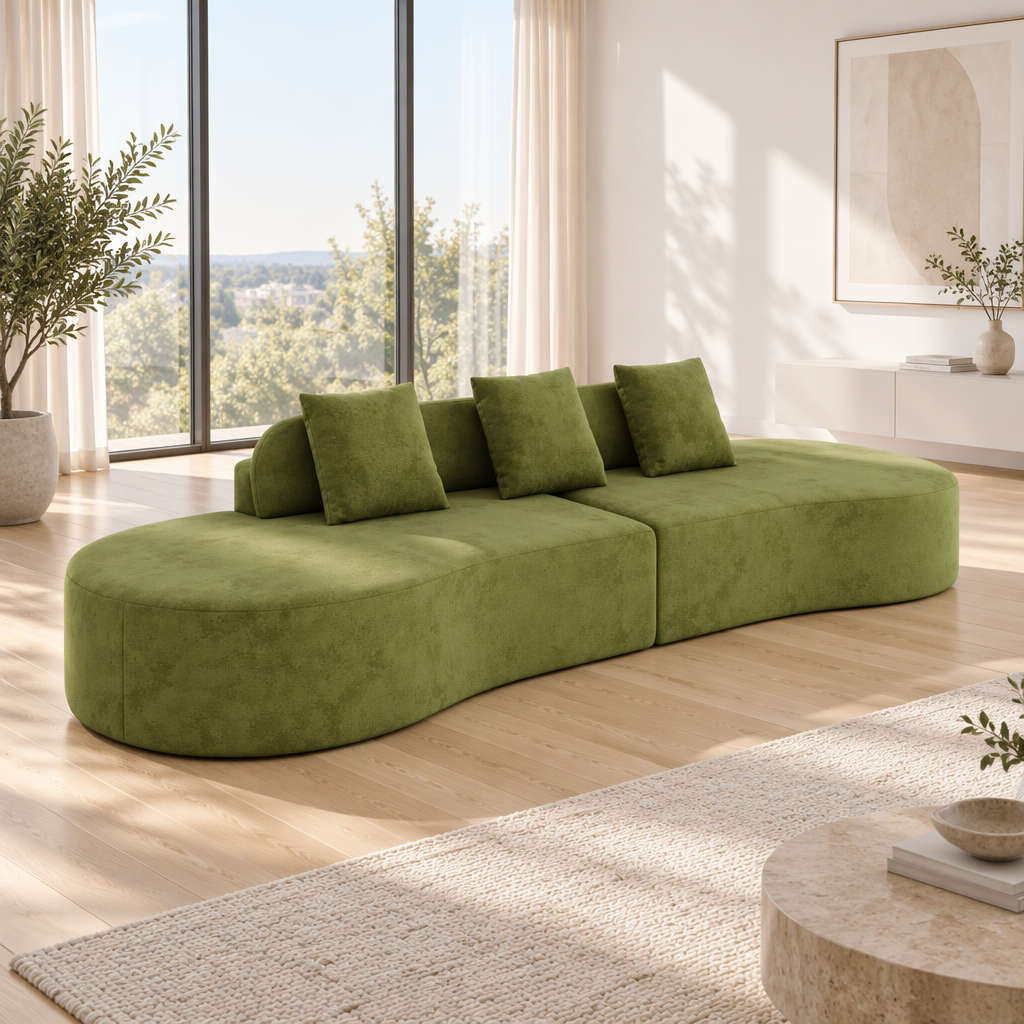
Italian-Style Minimalist Fabric Lambswool Curved Lounge Sofa
Vacuum Compressed
High-Resilience Foam
Solid Subframe
Bridging commercial-grade ergonomics with structural precision. All units are optimized for containerized transport (KD / Compressed packing) and high-cycle hospitality use.
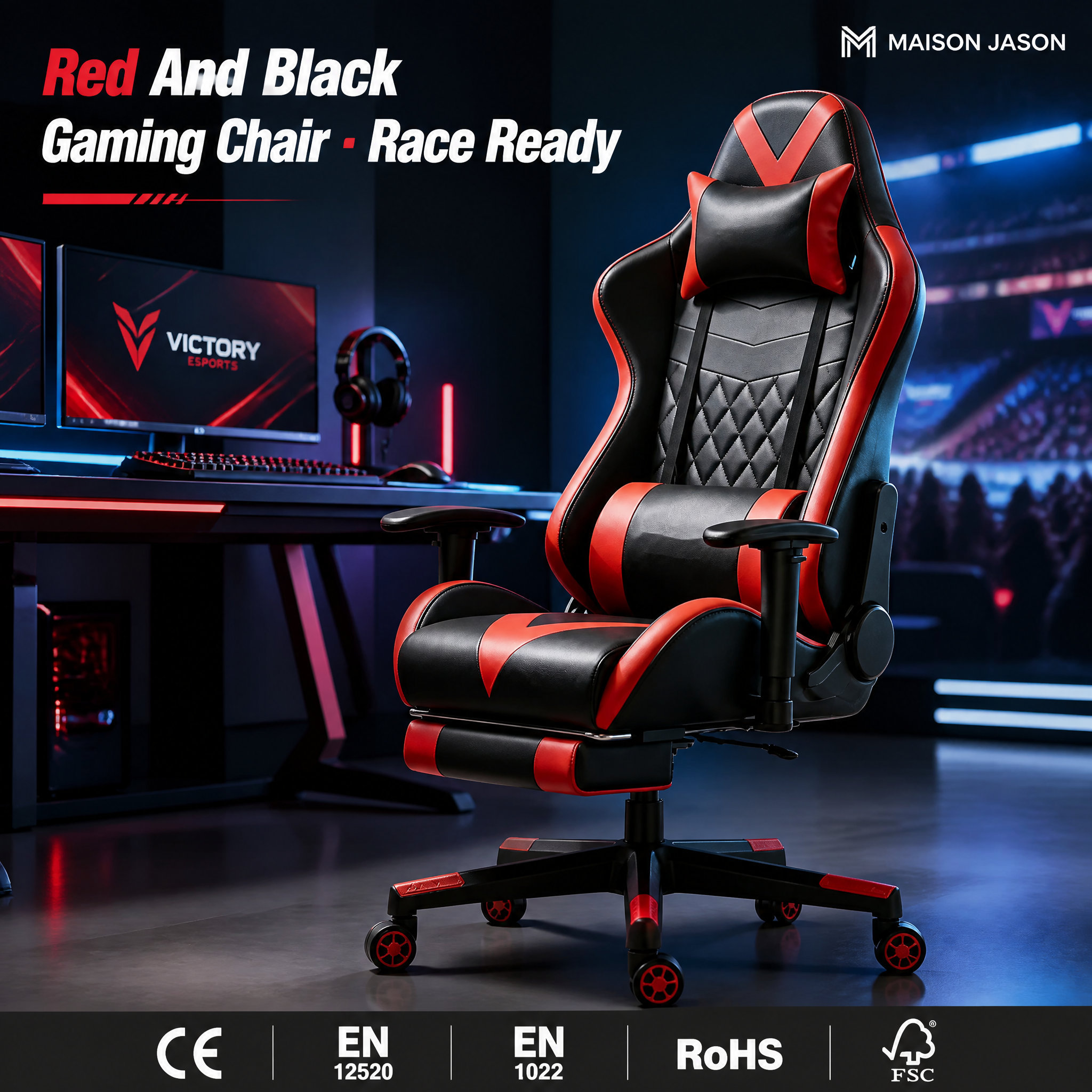
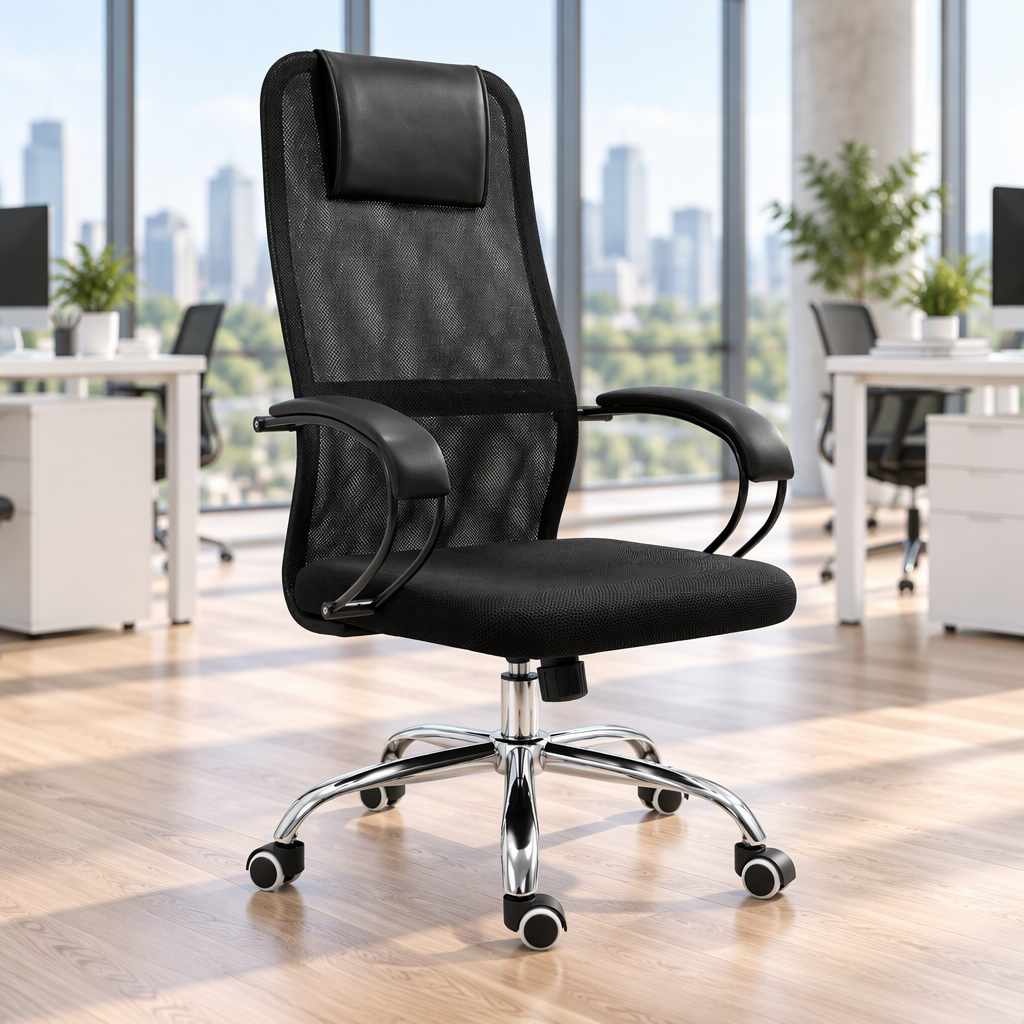
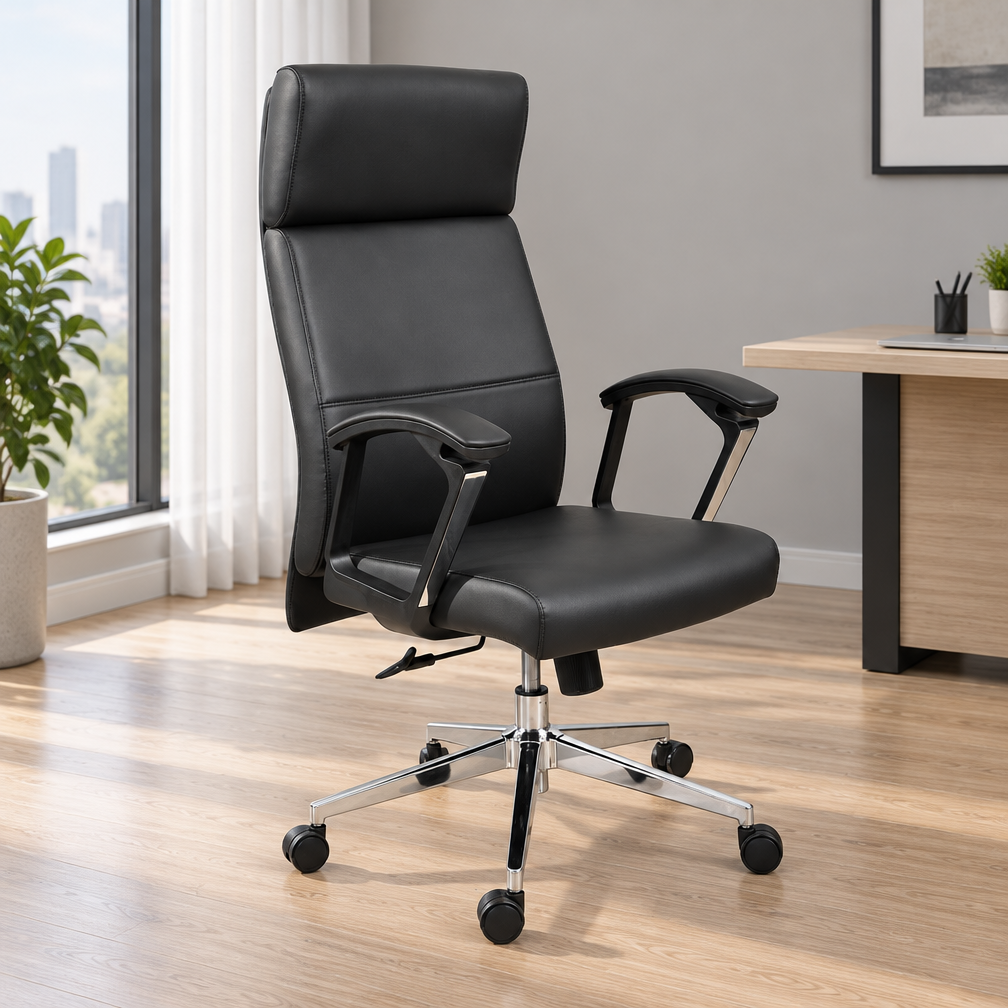
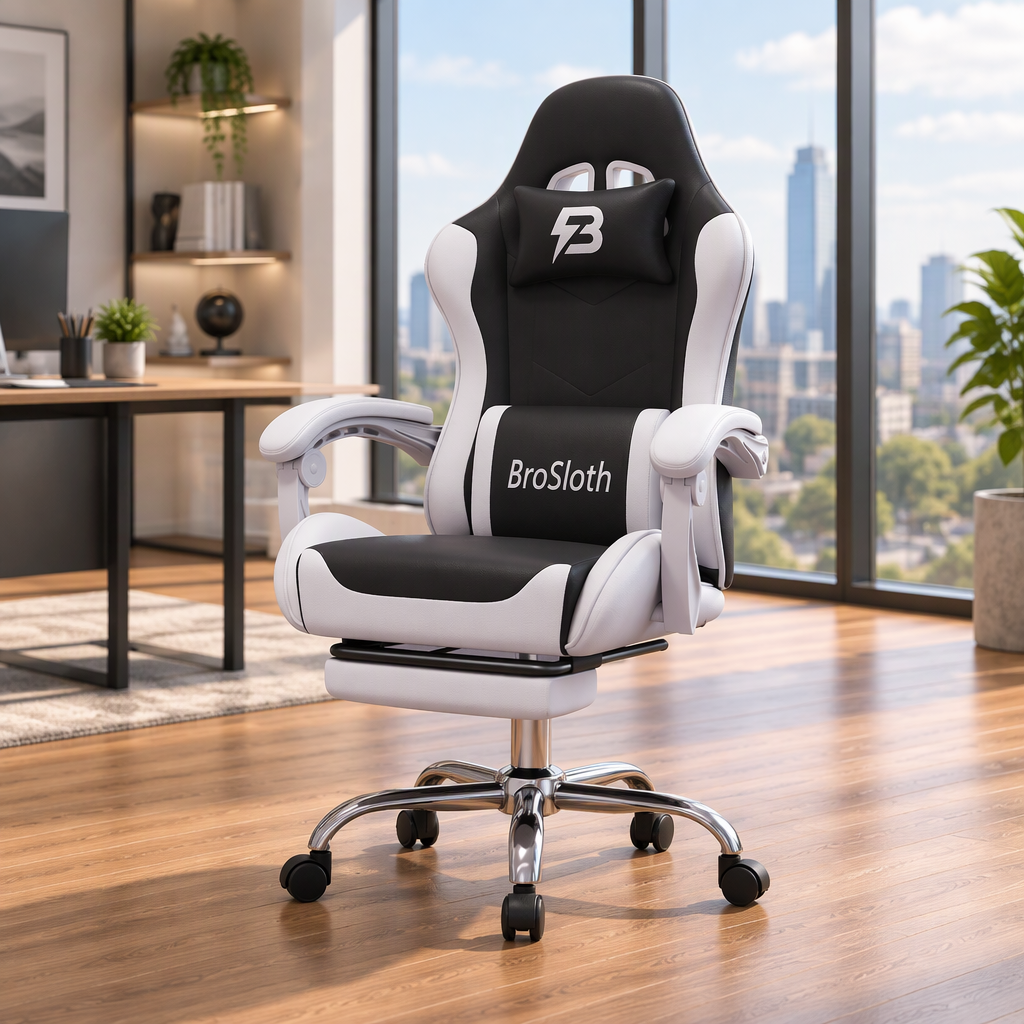
The global contract and hospitality furniture sector is undergoing a structural transformation. For institutional procurement officers, multi-property hotel interior buyers, and international furniture distributors, evaluating a top wooden dining chairs supplier extends far beyond standard aesthetic appraisals. Today's commercial sourcing mandate demands verified mechanical integrity, traceability of raw timber concessions, automated mortise-and-tenon precision, and compliance with rigorous carbon emission regulations.
Wooden dining chairs deployed in high-traffic environments—such as Michelin-star dining rooms, luxury resort banquets, and upscale commercial dining halls—undergo thousands of dynamic load cycles per month. Without strict moisture conditioning, joint triangulation, and chemical-resistant topcoats, chairs suffer structural delamination, squeaking, leg racking, and surface micro-fissuring. In this authoritative procurement whitepaper, Tianjin Modku Furniture Manufacturing Co., Ltd. analyzes the competitive parameters that define tier-one manufacturers globally and provides an actionable blueprint for high-volume contract sourcing.
The lifecycle failure of wooden dining chairs can almost invariably be traced back to poor timber preparation and inferior joinery selection. Premier wooden dining chair suppliers maintain strict control over atmospheric humidity balance from raw sawn logs to final finishing. Hardwood species like European Beech (Fagus sylvatica), North American White Oak (Quercus alba), American Ash (Fraxinus americana), and Plantation Rubberwood (Hevea brasiliensis) demonstrate anisotropic behavior; they expand and contract unpredictably if the equilibrium moisture content (EMC) is misaligned with the destination market.
At Tianjin Modku Furniture, our automated vacuum-assisted, radio-frequency (RF) kiln-drying protocols systematically stabilize timber between 8% and 12% moisture content. This narrow threshold prevents trans-oceanic shipping shock—wherein containers passing through tropical equatorial zones induce sudden warp or tension checks inside standard cargo holds.
| Timber / Wood Specie | Janka Hardness Rating | Equilibrium Shrinkage (Volumetric) | Optimal Joint Architecture | Commercial Space Viability |
|---|---|---|---|---|
| European Beech | 1,300 lbf (5,780 N) | 17.9% (Requires Strict RF Kiln Drying) | Blind Mortise & Tenon with Corner Blocks | Banquet Halls, Fine Dining & High-End Hotels |
| American White Oak | 1,360 lbf (6,050 N) | 12.6% (High Dimensional Stability) | CNC Integral Tenon & Polyurethane D4 Adhesive | Modern Luxury Bistros & Corporate Dining |
| American Ash | 1,320 lbf (5,870 N) | 15.2% (Superior Shock Resistance) | Multi-Groove Dowel Pins with Metal Gussets | High-Traffic Casual Dining & Rental Venues |
| Plantation Rubberwood | 960 lbf (4,270 N) | 10.2% (Sustainable Eco-Alternative) | Threaded Steel Insert Bolt & Mortise Hybrid | Large-Scale Chains & E-Commerce Assortments |
When surveying the top 10 wooden dining chair suppliers across East Asia, Southeast Asia, and Europe, procurement executives typically encounter three operational profiles:
A. Traditional Craftsman Boutiques (Italy, Denmark): Exceptional hand-finishing, curved steam-bent oak forms, and Scandinavian minimalism. However, they are frequently constrained by sub-scale monthly capacities (under 1,500 units), extended lead times exceeding 90 days, and excessive unit FOB pricing that prohibits high-volume chain rollouts.
B. Low-Cost Southeast Asian Assemblers (Vietnam, Indonesia, Malaysia): Competitive pricing and duty advantages under certain trade frameworks, but frequently subject to volatile wood moisture control, manual mortising variances, and limited capacity to integrate multi-material designs (such as vacuum-compressed lamb's wool, cast metal ferrules, or electro-welded sub-chassis).
C. Fully Integrated Chinese Manufacturing Hubs (Tianjin Modku Model): Combining 5-axis CNC router carving, computer-controlled drying kilns, comprehensive surface PU/UV multi-coat spraying lines, and dedicated international freight loading optimization. Located right alongside major maritime infrastructure like Tianjin Xingang Port, our facility executes custom OEM/ODM production runs with automated precision, offering custom finish matching, laser-cut templates, and rigid BIFMA/EN compliance at scalable factory-direct costs.
The commercial dining furniture procurement cycle is rapidly pivoting towards four distinct operational doctrines:
I. The Rise of "Quiet Luxury" and Organic Architectural Silhouettes: The market is shifting away from flat-edge, sterile minimalism toward sculpted organic curves, soft radii, tactile boucle/lambswool upholstery, and biophilic architectural lines. Designers demand chairs where solid wood legs meld seamlessly into contoured, upholstered cushions, eliminating harsh seams without compromising under-seat support.
II. High-Density Knock-Down (KD) Engineering for Freight Arbitrage: Skyrocketing global container freight rates make shipping fully assembled wooden chairs uneconomical. Next-generation contract chairs utilize high-strength concealed hardware, threaded steel collar inserts, and interlocking joint tabs that allow chairs to be shipped completely flat in modular packaging, multiplying 40HQ container piece counts by up to 300% while allowing on-site assembly within 4 minutes.
III. Strict Traceability, FSC Certification & Zero-VOC Waterborne Finishes: Hospitality brands now mandate certified Chain-of-Custody (CoC) timber to comply with EU Timber Regulations (EUTR) and US Lacey Act provisions. Simultaneously, commercial venues are enforcing stringent indoor air quality policies, compelling suppliers to transition from nitrocellulose lacquers to electrostatic waterborne UV coatings with near-zero VOC outgassing.
IV. Multi-Material Hybrid Constructs: Modern hospitality spaces are blending traditional solid beech and walnut with cold-rolled steel bracing, woven synthetic wicker, high-durability Olefin fabrics, and integrated ergonomic cushioning, ensuring seating can withstand rigorous daily sanitation cycles without timber degradation.
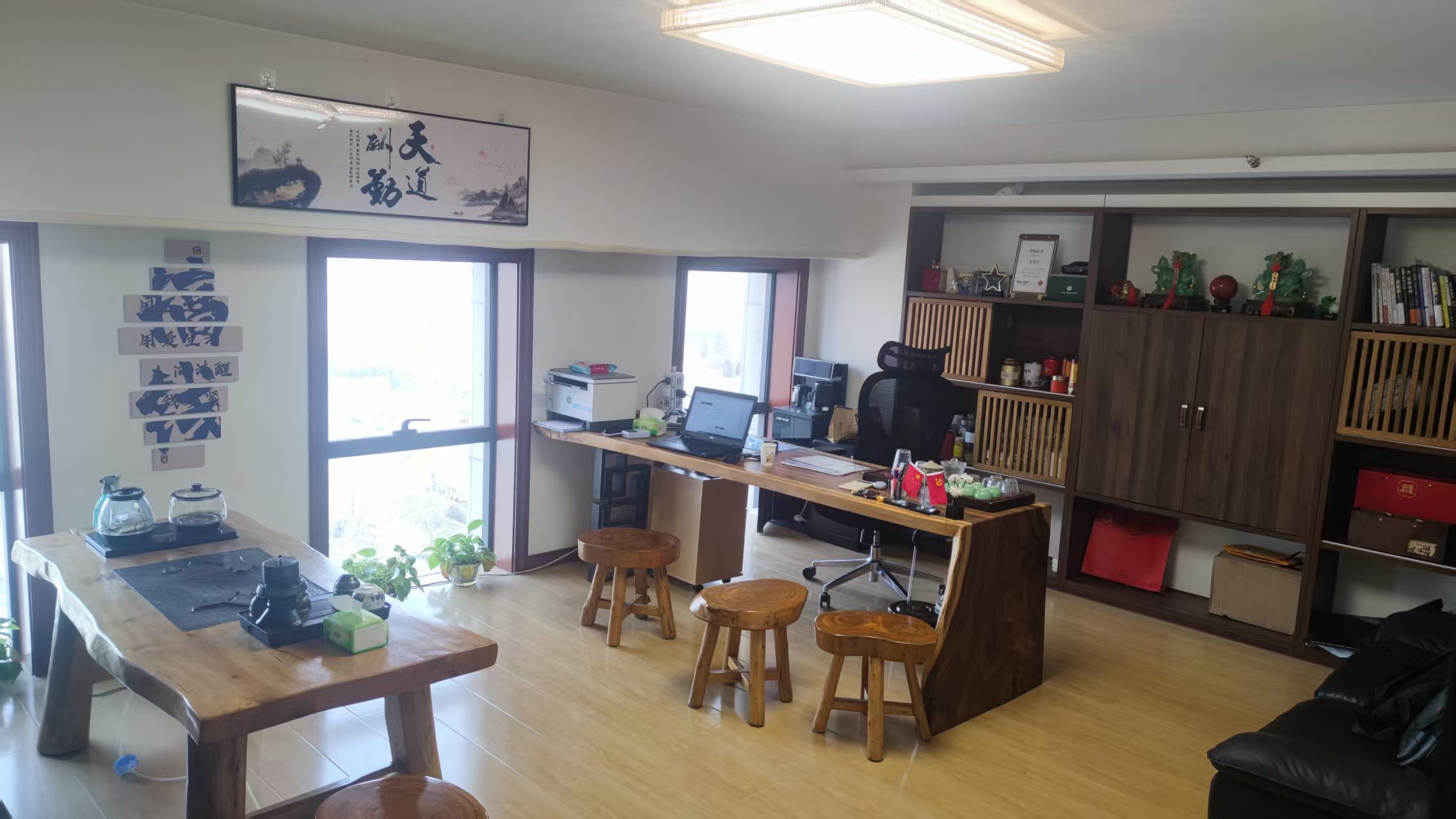
At Tianjin Modku Furniture Manufacturing Co., Ltd., we merge industrial-scale fabrication with master woodcraft. Operating from Tianjin's metalworking and furniture manufacturing heartland, our multi-category manufacturing footprint allows contract buyers to consolidate diverse project needs into a single unified bill of lading.
Whether your specification calls for solid wood Chiavari wedding chairs, ergonomic commercial office seating, Scandinavian dining silhouettes, or custom hotel restaurant booth banquettes, our engineers guarantee structural uniformity across every container.
Direct manufacturing authority, audited supply chain verification, and port-side logistics engineering designed to minimize commercial risk.
No trading middlemen or hidden markups. We oversee raw timber procurement, 5-axis CNC cutting, automated sanding, electrostatic finishing, and carton drop testing internally.
From custom wood stains (walnut, natural ash, smoked oak, espresso) to contract upholstery (Crib-5 flame retardant fabrics, vegan leathers, and top-grain hides), built to your CAD prints.
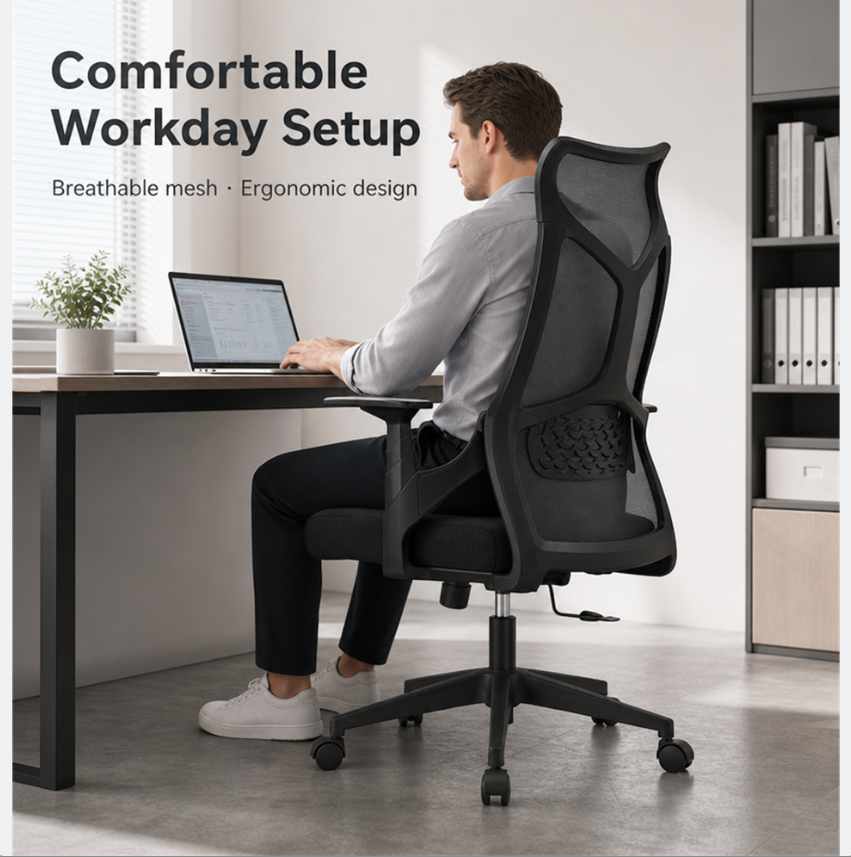
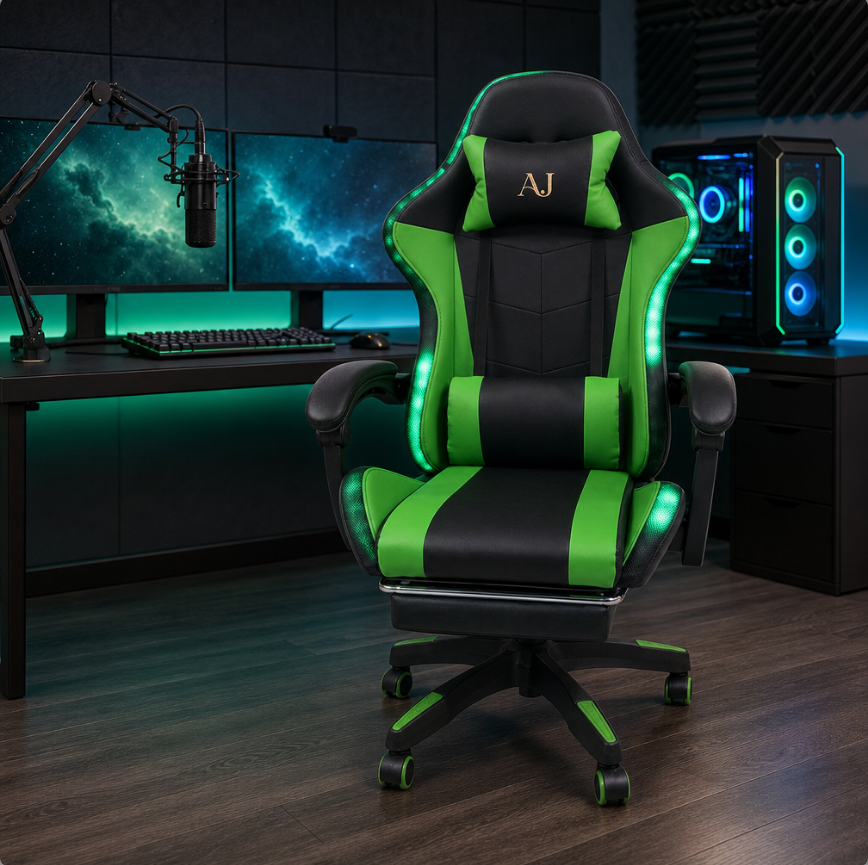
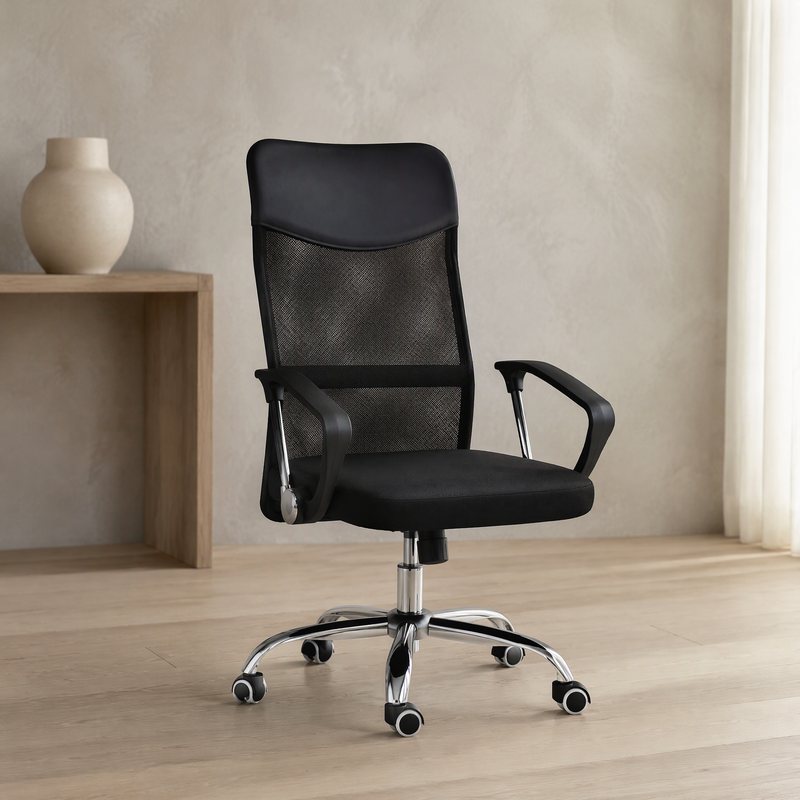
Optimize your inventory turnover. Combine wooden dining chairs, ergonomic mesh task chairs, gaming chairs, and outdoor patio lounges into a single shipment from Tianjin Port.
Advanced enterprise resource planning (ERP) ensures predictable production scheduling, timely sample approvals, and rapid container loading directly at Tianjin Xingang Port.
We welcome third-party technical quality audits (SGS, TÜV, Bureau Veritas, Intertek) and supply photographic checklist inspection reports for every production batch prior to balance payment.
Positioned within minutes of North China's largest maritime gateway, eliminating high inland trucking overheads and reducing ocean container drayage risks significantly.
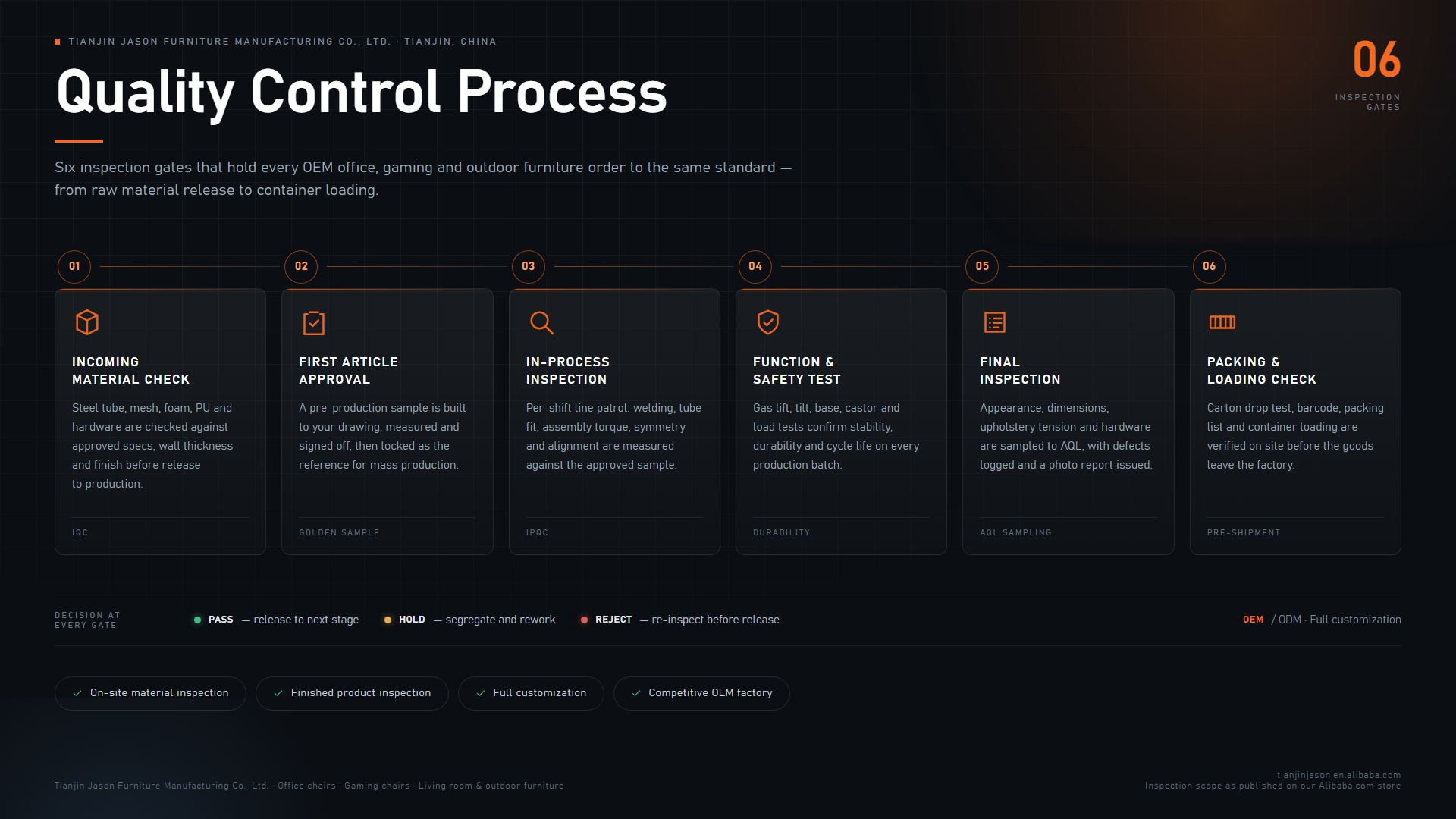
Direct engineering answers addressing testing standards, material certifications, container logistics, and warranty protocols.