
10+
Years Industrial Furniture Manufacturing
8-12%
Kiln-Dried Timber Equilibrium Moisture
100%
Pre-Shipment Visual & Joint Inspection
24h
Project CAD & OEM Quotation SLA
Factory Catalog Lineup
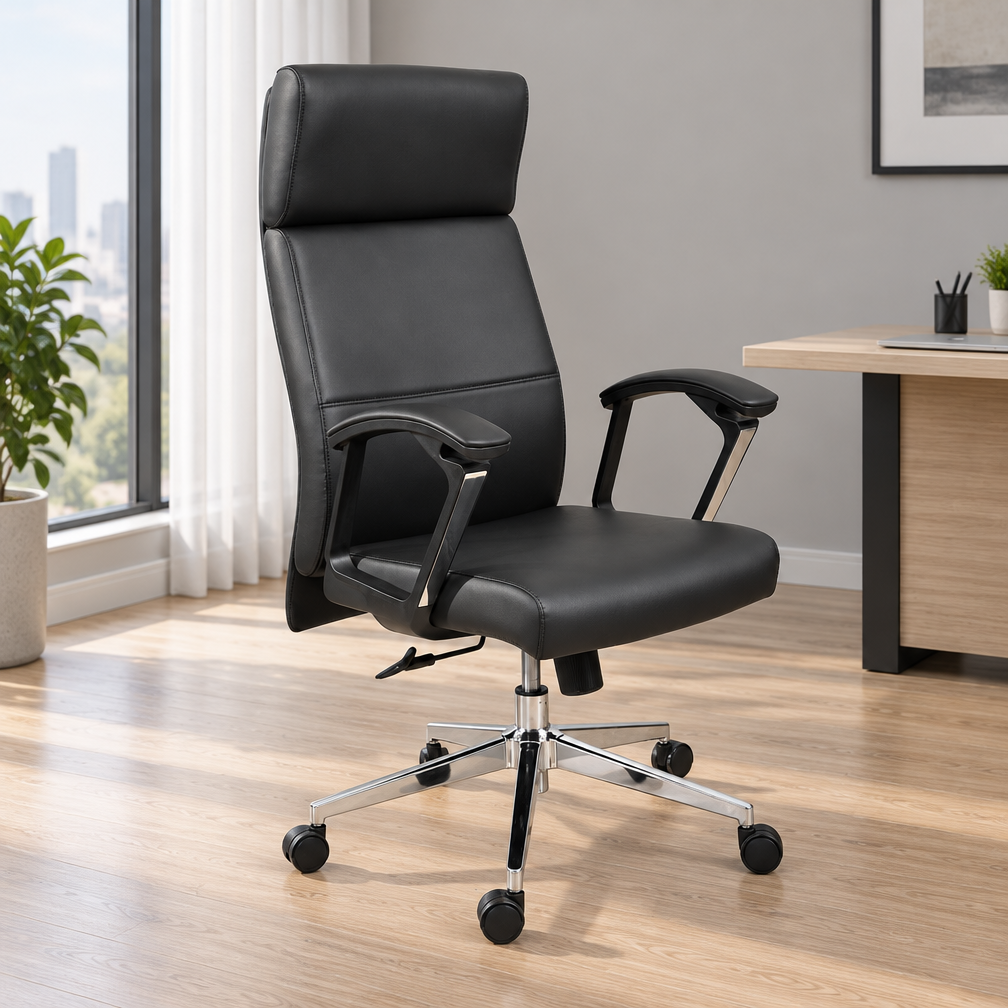
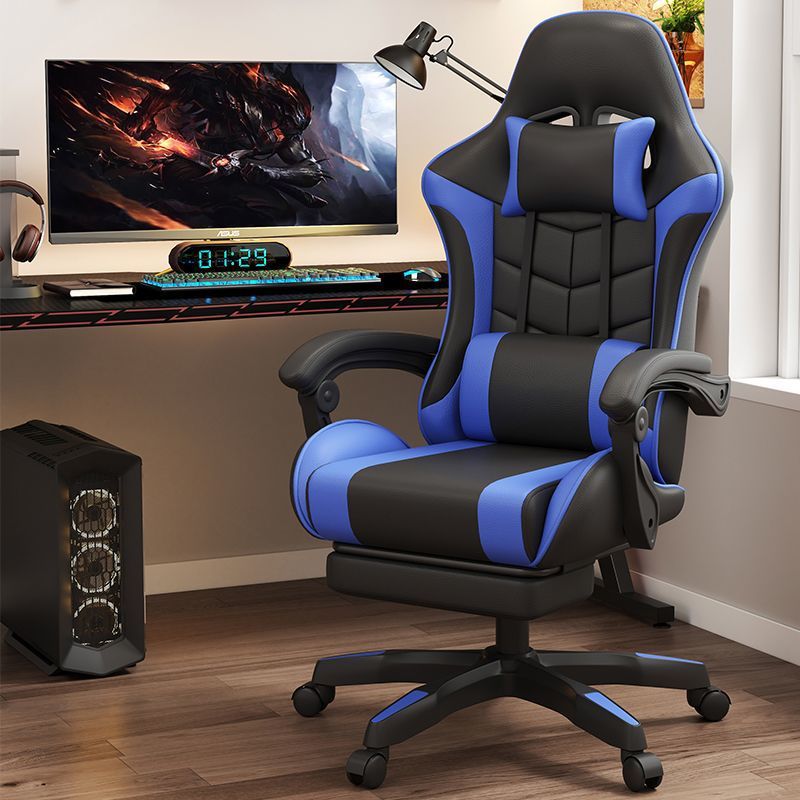
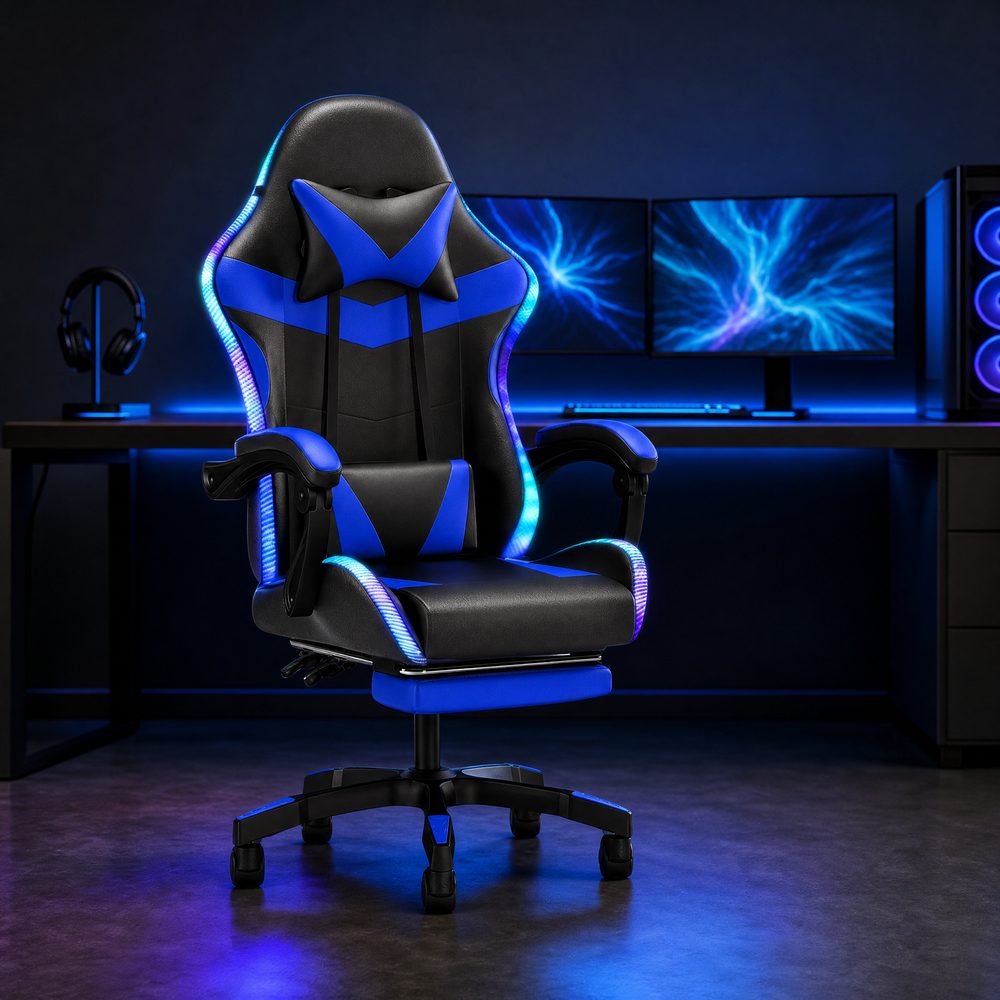
Featured Commercial Contract Seating
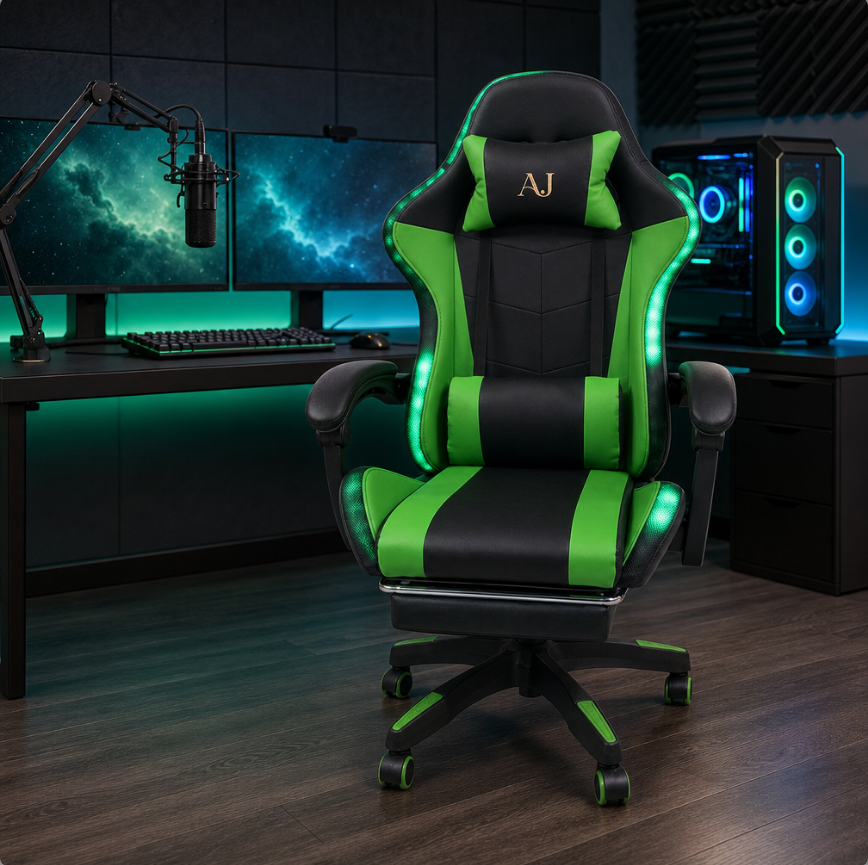
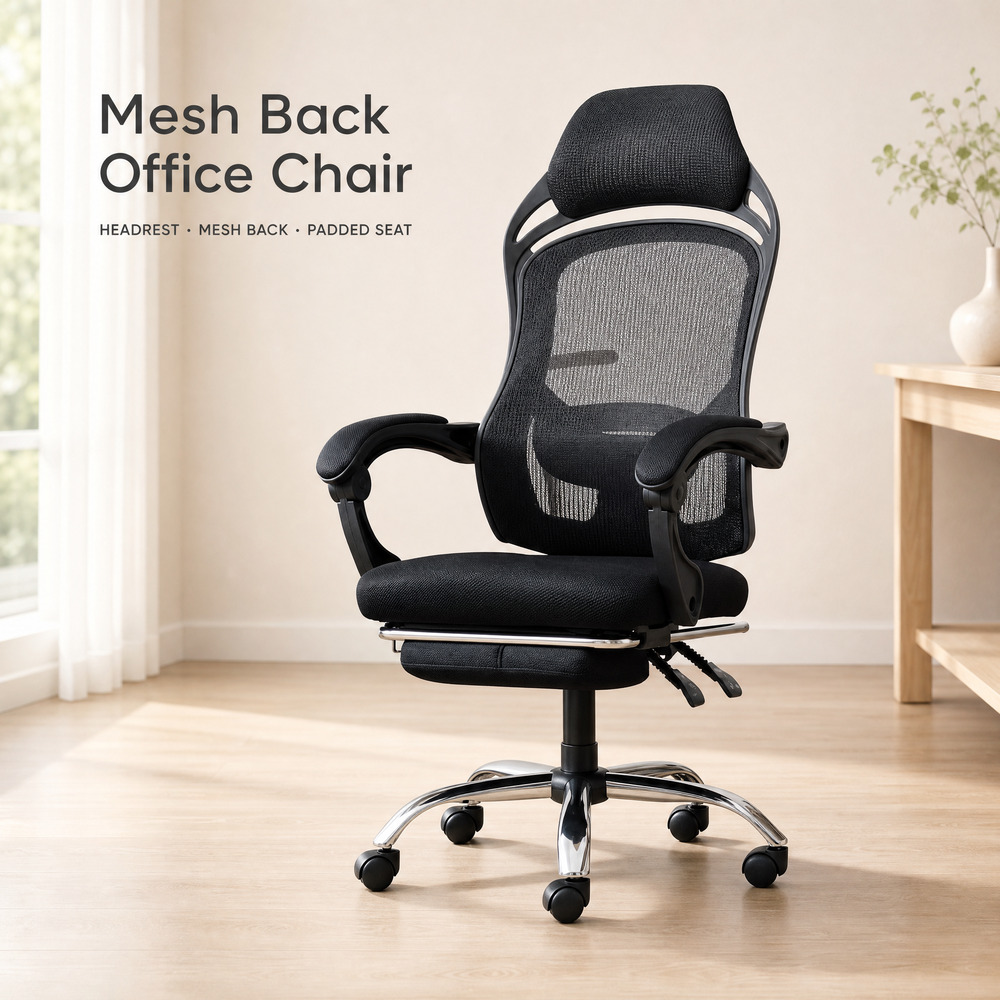
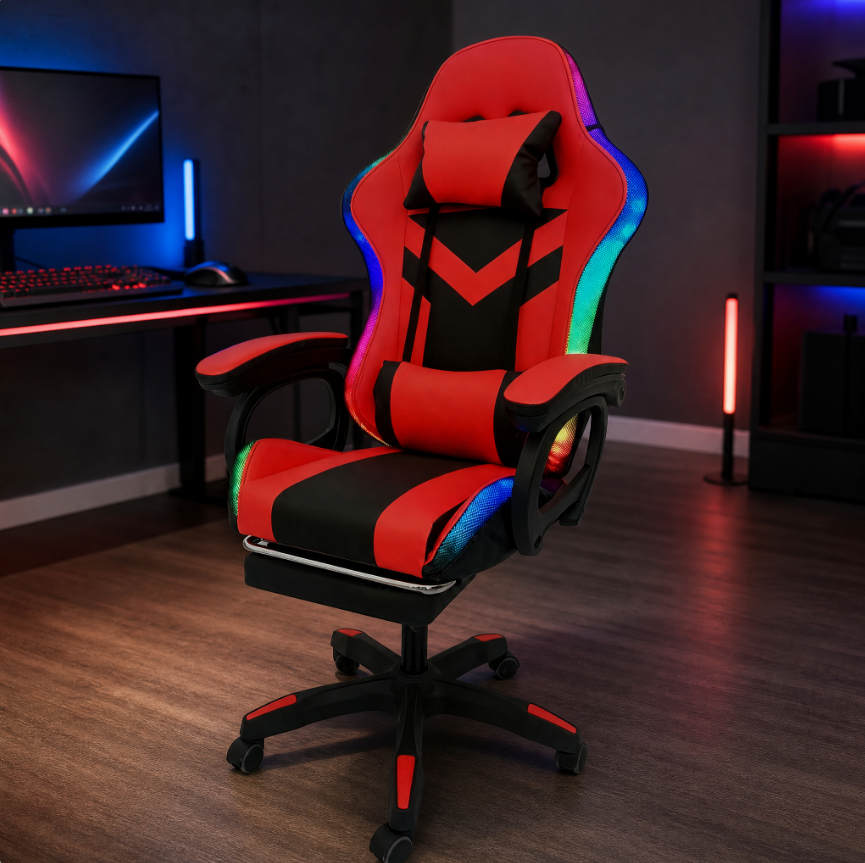
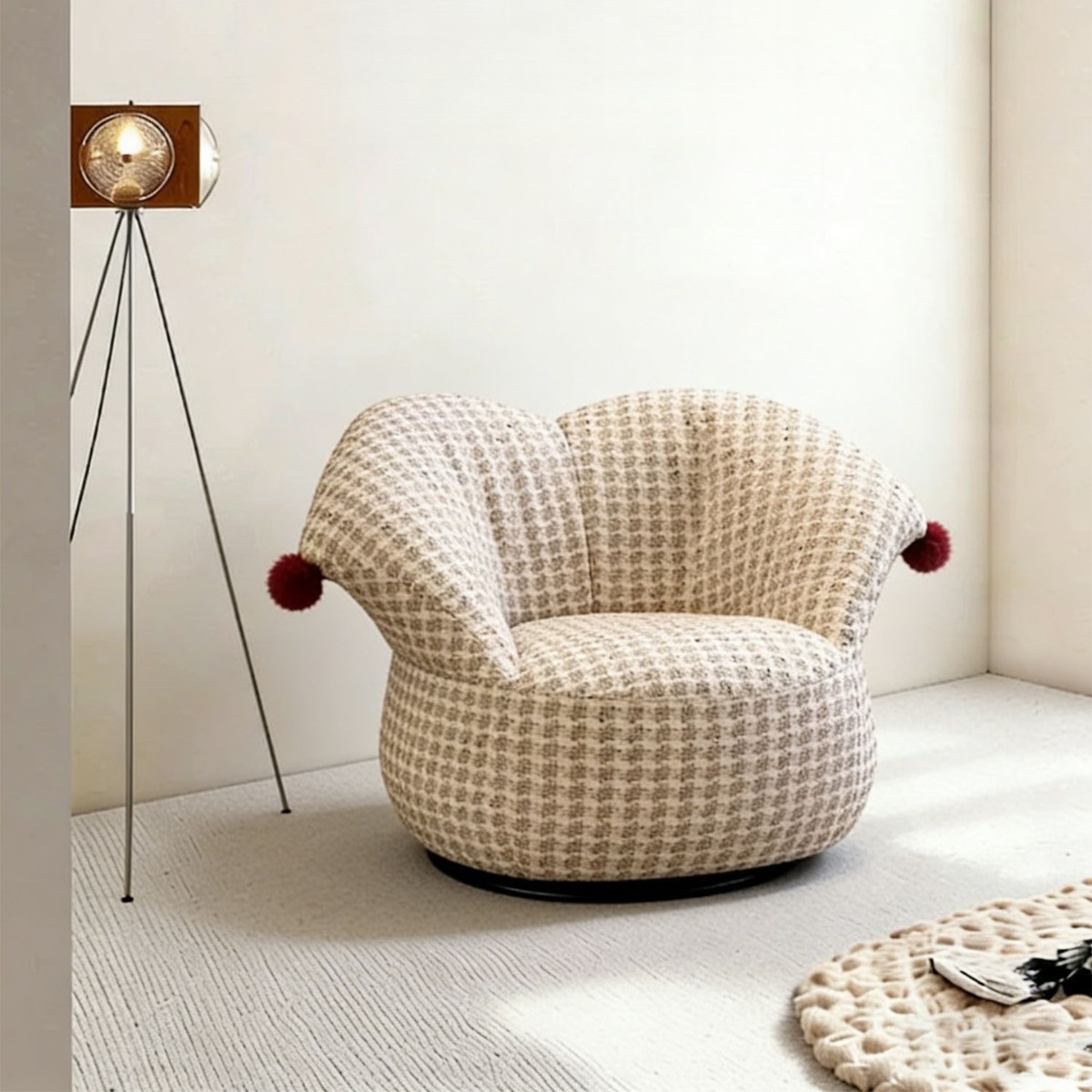
Explore production-ready furniture solutions optimized for hospitality groups, office fit-outs, luxury event rentals, and high-frequency commercial dining environments.
Procurement Whitepaper
Evaluating the Top 10 Solid Wood Dining Chairs Manufacturers & Suppliers
An engineer's perspective on industrial qualification, joint tensile tolerances, moisture equilibration, and contract-grade compliance across international supply chains.
1. Kiln Drying & Moisture Control
The primary point of failure in commercial dining furniture is wood checking, joint distortion, and cracking caused by hygroscopic fluctuations. Tier-1 manufacturers enforce rigorous radio-frequency vacuum kiln-drying processes, stabilising wood stock to 8% – 12% Equilibrium Moisture Content (EMC) before CNC spindle machining to ensure climate stability across European and North American destination ports.
2. Joinery & Mechanical Rigidity
Contract dining seating faces up to 15,000 cyclic dynamic drops throughout its operating lifecycle. Top suppliers reject superficial dowel-and-glue joints in favor of integral mortise-and-tenon joinery, reinforced corner corner-blocks with steel hangar bolts, and multi-axis CNC bentwood lamination. This structural discipline ensures total compliance with ANSI/BIFMA X5.1 and EN 16139 Level 2 standards.
3. Polyurethane & UV Finishing
Commercial cleaning regimens involving ethanol solutions and quaternary ammonium compounds deteriorate sub-par coatings. Qualified manufacturers utilize automated 5-stage electrostatic spraying lines featuring low-VOC, cross-linked polyurethane and UV-curable topcoats capable of passing rigorous 240-hour Taber abrasion tests and hot liquid immersion testing.
Technical Benchmarking
Solid Wood Dining Chair Material & Structural Matrix
A side-by-side technical evaluation designed for contract furniture specifiers, commercial interior architects, and import directors.
| Wood Species / Substrate | Janka Hardness Rating | Yield Strength & Flexural MOE | Standard Finishing Layer | Recommended Sourcing Scenario |
|---|---|---|---|---|
| FAS European White Oak (Quercus robur) | 1,360 lbf (6,000 N) | 12,500 MPa / High Fatigue Resilience | Water-based Matte Polyurethane (Open Pore) | High-end luxury bistros, boutique hotels, high-traffic commercial retail. |
| Grade-A European Beech (Fagus sylvatica) | 1,300 lbf (5,800 N) | 14,000 MPa / Exceptional Steam Bending | Acid-catalyzed conversion varnish or pigment stain | Classic bentwood chairs, stackable banquet facilities, contract restaurants. |
| North American Ash (Fraxinus americana) | 1,320 lbf (5,870 N) | 12,000 MPa / High Shock Resistance | UV-cured acrylic lacquer with pore enhancement | Modern Nordic-style minimalist cafes, corporate dining lounges, casual dining. |
| Rubberwood / Solid Hevea | 960 lbf (4,270 N) | 9,100 MPa / Moderate Elasticity | Electrostatic polyurethane pigmented seal | Value-engineered large-scale restaurant chains, student accommodations, bulk rental. |
Market Intelligence
Future Sourcing & Procurement Trends: 2025–2030
Analyzing fundamental supply chain transformations shaping the global commercial wooden seating market.
Circular Economy & FSC Chain of Custody
Global institutional buyers are mandating stringent ESG validation. Procurement contracts increasingly require 100% verified FSC (Forest Stewardship Council) or PEFC certifications. Wood tracing from certified sustainable plantations combined with bio-based natural resin finishes is no longer optional—it is a baseline prerequisite for major hospitality tenders.
Flat-Pack KD Engineering for Freight Optimization
Ocean freight volatility has permanently altered chair architecture. The industry trend shifts decisively toward precision knock-down (KD) solid wood designs utilizing hidden internal cam-locks, threaded steel inserts, and interlocking joinery. This cuts shipping volume by up to 62%, allowing 1,200+ units per 40ft High Cube container versus 350 fully-assembled units.
Hybrid Tactile Material Combinations
Commercial aesthetic trends demand tactile synergy. Monolithic wooden chairs are evolving into hybrid assemblies: solid oak or ash skeletal frames integrated with machine-woven Danish paper cord, hand-woven PE synthetic rattan backrests, and replaceable high-resilience foam seat pads upholstered in commercial Crypton or vinyl fabrics.
Factory Advantage
Why Tier-1 Importers Partner With Modku Furniture
Combining northern China's heavy manufacturing infrastructure with end-to-end export risk mitigation, in-house quality control, and versatile OEM/ODM capabilities.
Verified Manufacturing
Direct workshop oversight in Tianjin, eliminating trading markups and safeguarding structural integrity.
Consolidated Shipments
Mix solid wood seating, banquets, outdoor patio sets, and ergonomic seating in a single ocean container.
Port-Side Logistics
Immediate proximity to Tianjin Xingang Port ensures prompt dispatch, low drayage costs, and reliable ocean scheduling.
Bespoke OEM/ODM
Rapid physical prototyping from CAD sketches, with custom stains, fabrics, and branded carton packaging.
100% Final Inspection
Stringent multi-point quality audits covering wood moisture, frame alignment, stability, and transit drop tests.
Purchaser Assistance
Solid Wood Dining Chairs Procurement FAQ
Detailed technical answers addressing core logistical, contractual, and manufacturing questions for overseas buyers.
What are the key wood species recommended for heavy-duty commercial restaurant chairs?
For high-turnover contract environments (restaurants, hotel dining halls, corporate food courts), European Beech and Northern White Oak are the gold standards due to their dense cellular structure and Janka hardness ratings above 1,300 lbf. Ash is equally outstanding for environments requiring high impact absorption and dynamic elasticity. While Rubberwood (Hevea brasiliensis) serves lower budget thresholds well, it necessitates reinforced corner blocks and thicker cross-rails to resist joint shearing over extended multi-shift operation.
How do you prevent solid wood dining chairs from warping or cracking in dry destination markets?
Timber checking and joint warping occur primarily due to improper kiln drying or post-drying re-absorption. We regulate timber moisture using automated vacuum kiln dryers, stabilizing wood moisture content to 8%–12% for North America and Northern Europe, or 10%–14% for tropical/humid regions. Furthermore, our finishing line completely seals end-grain timber—the primary entry point for moisture migration—with polyurethane barrier coats, ensuring dimensional stability across varied climate zones.
What testing certifications and compliance checks apply to contract dining chairs?
Commercial dining furniture must satisfy rigorous institutional mechanical and safety criteria. For the North American market, seating must meet ANSI/BIFMA X5.1 or X5.4 commercial standards, verifying static load capacity (typically 300+ lbs), backrest strength, and cyclic impact resistance. In the European Union, compliance with EN 16139 (Non-domestic seating - Requirements for safety, strength and durability) Level 1 or Level 2 is required. We coordinate with third-party testing labs like SGS, TÜV, and Intertek for official audit certificates.
Can we consolidate solid wood dining chairs with other commercial furniture in one container?
Yes. One of our core manufacturing strengths is multi-category supply chain consolidation. Because our factory produces commercial office seating, outdoor patio sets, banquet event chairs, and lounge armchairs in Tianjin, international buyers frequently optimize logistics by consolidating 3 to 5 distinct categories into a single 40ft HQ container. This significantly diminishes warehouse holding costs and ocean freight expenses per product unit.
What is the standard production timeline for custom OEM dining chair orders?
The standard lead time for full-container OEM/ODM production is 30 to 45 calendar days following 3D CAD sign-off, color swatch confirmation, and receipt of deposit. Initial prototype sampling takes approximately 10 to 15 working days. During peak production periods (such as Q3 pre-holiday stock build), we recommend clients lock production quotas 60 days in advance to account for seasonal ocean carrier congestion at Tianjin Xingang Port.
What packaging techniques are deployed to avoid scuffing and impact damage during maritime transit?
Every dining chair undergoes five-stage export protective packaging: (1) high-density non-woven anti-scratch wrap around all solid wood legs and rails; (2) tailored expanded polyethylene (EPE) foam edge-guards; (3) silica gel desiccant packs inside sealed moisture-proof polybags; (4) heavy-duty 5-ply or 7-ply double-wall corrugated shipping cartons tested to ISTA-1A drop benchmarks; and (5) optional palletization with corner boards for mechanized forklift offloading.