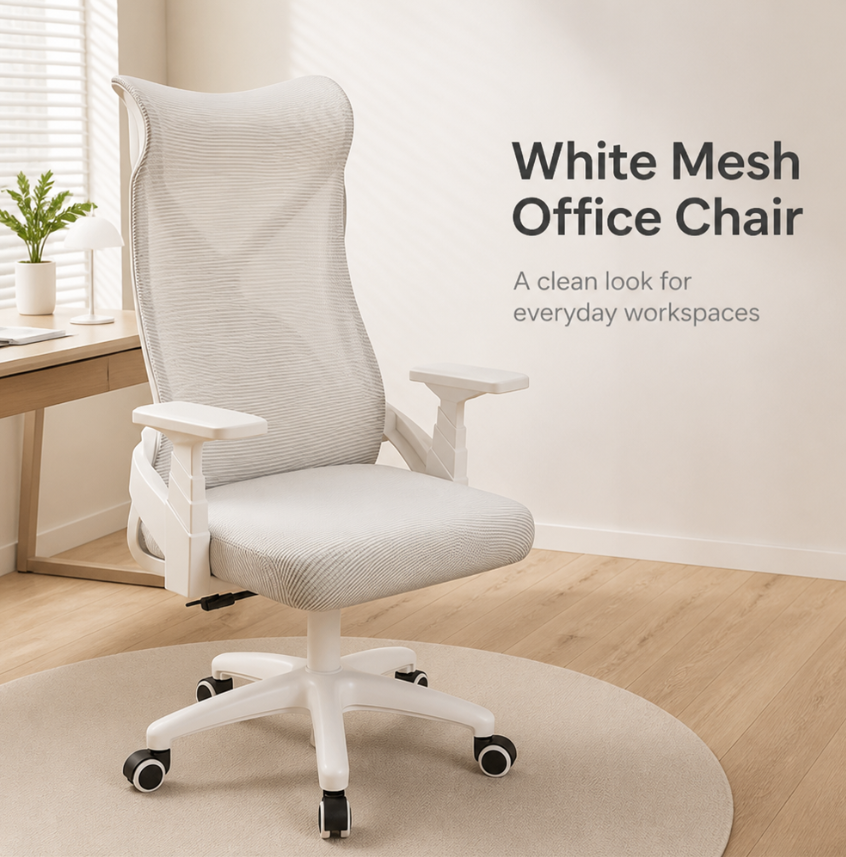
Production Portfolio
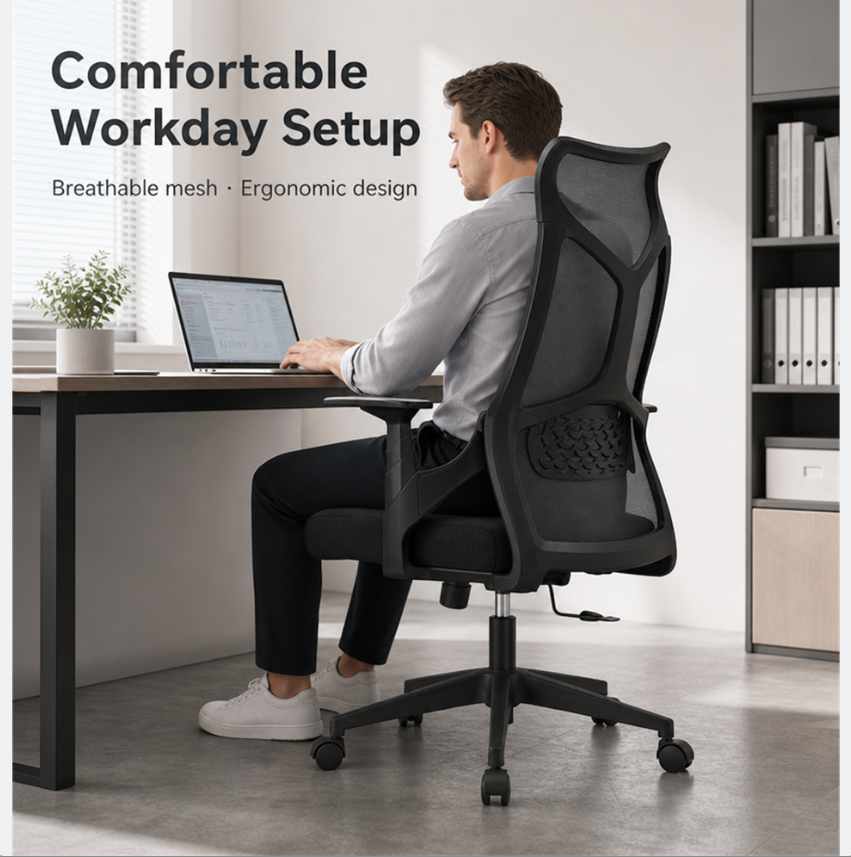
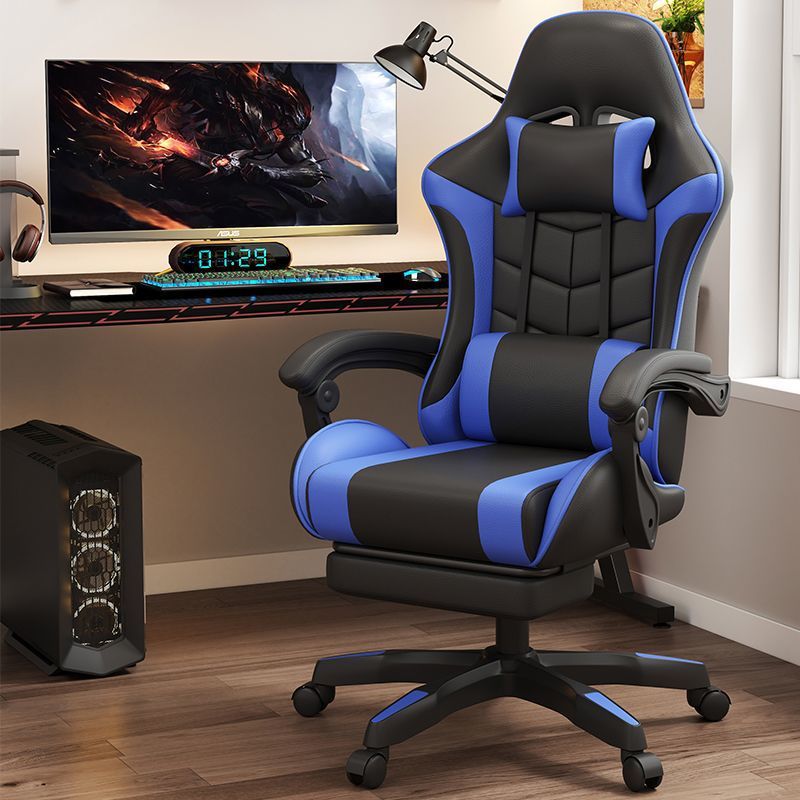
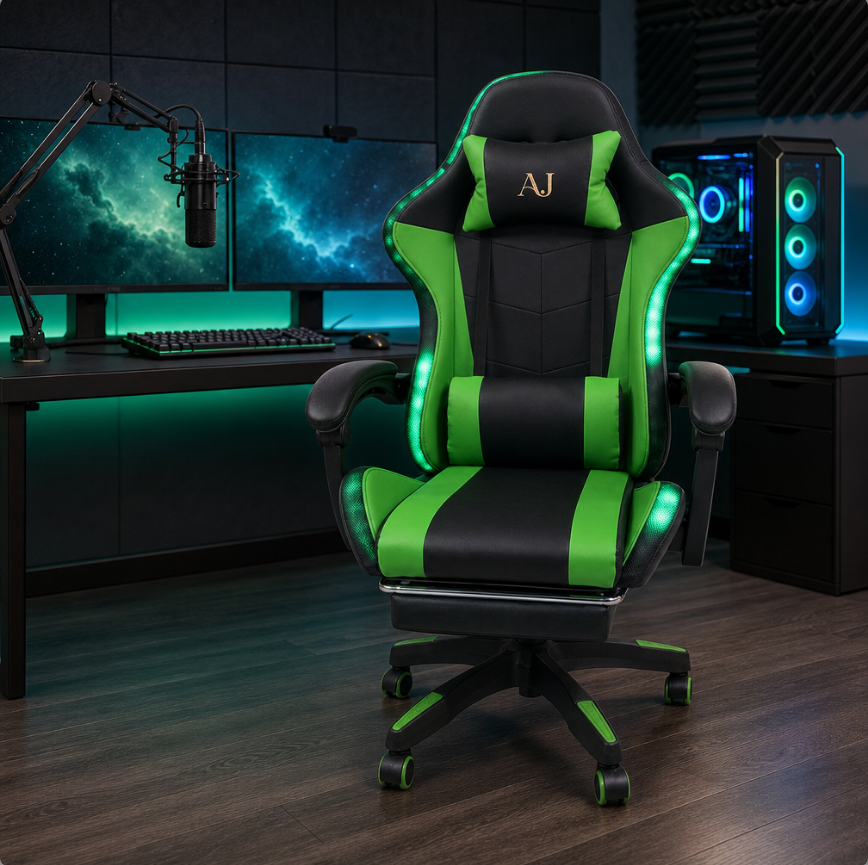
High-Performance Seating Engineered for Commercial & Contract Scale
Combining heavy-gauge metallic structural skeletons, advanced multi-density polyurethane contouring, and rigorous BIFMA/EN1335 mechanical durability standards for global hospitality, corporate, and residential distribution networks.
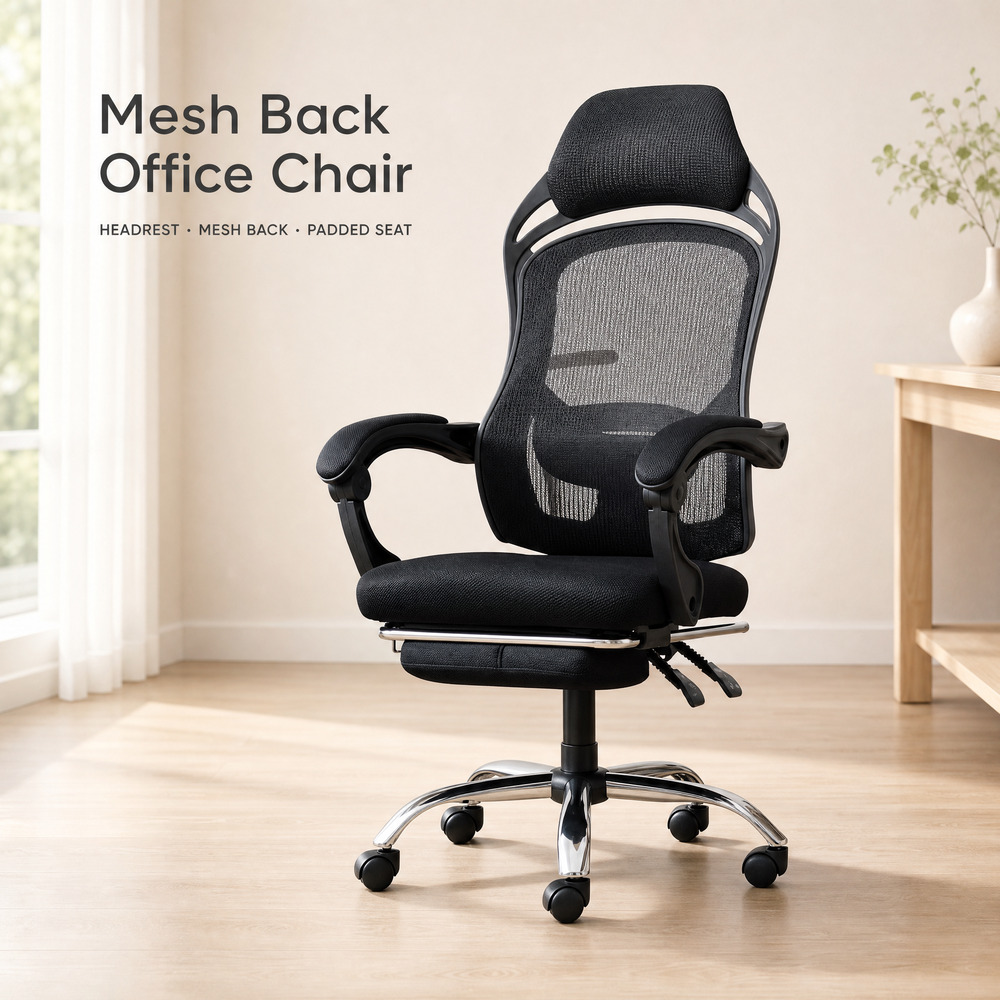
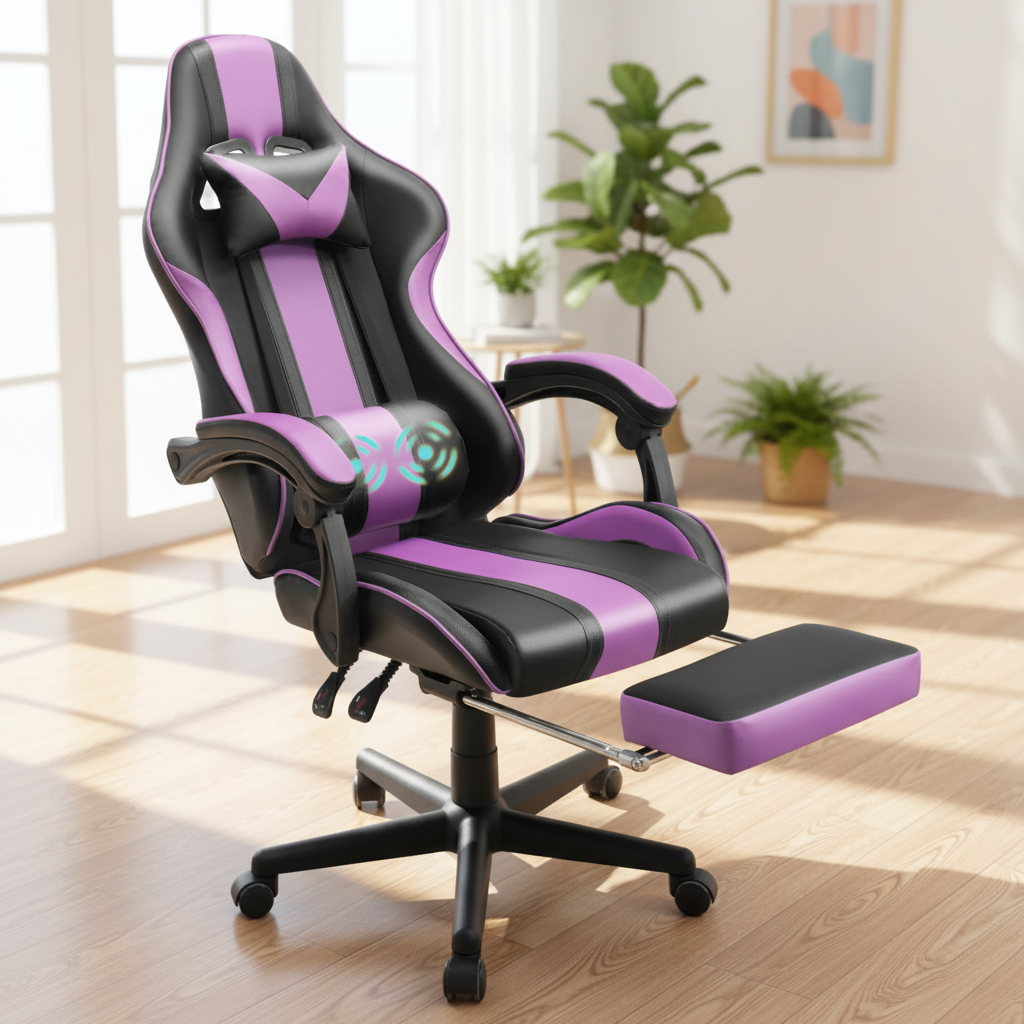
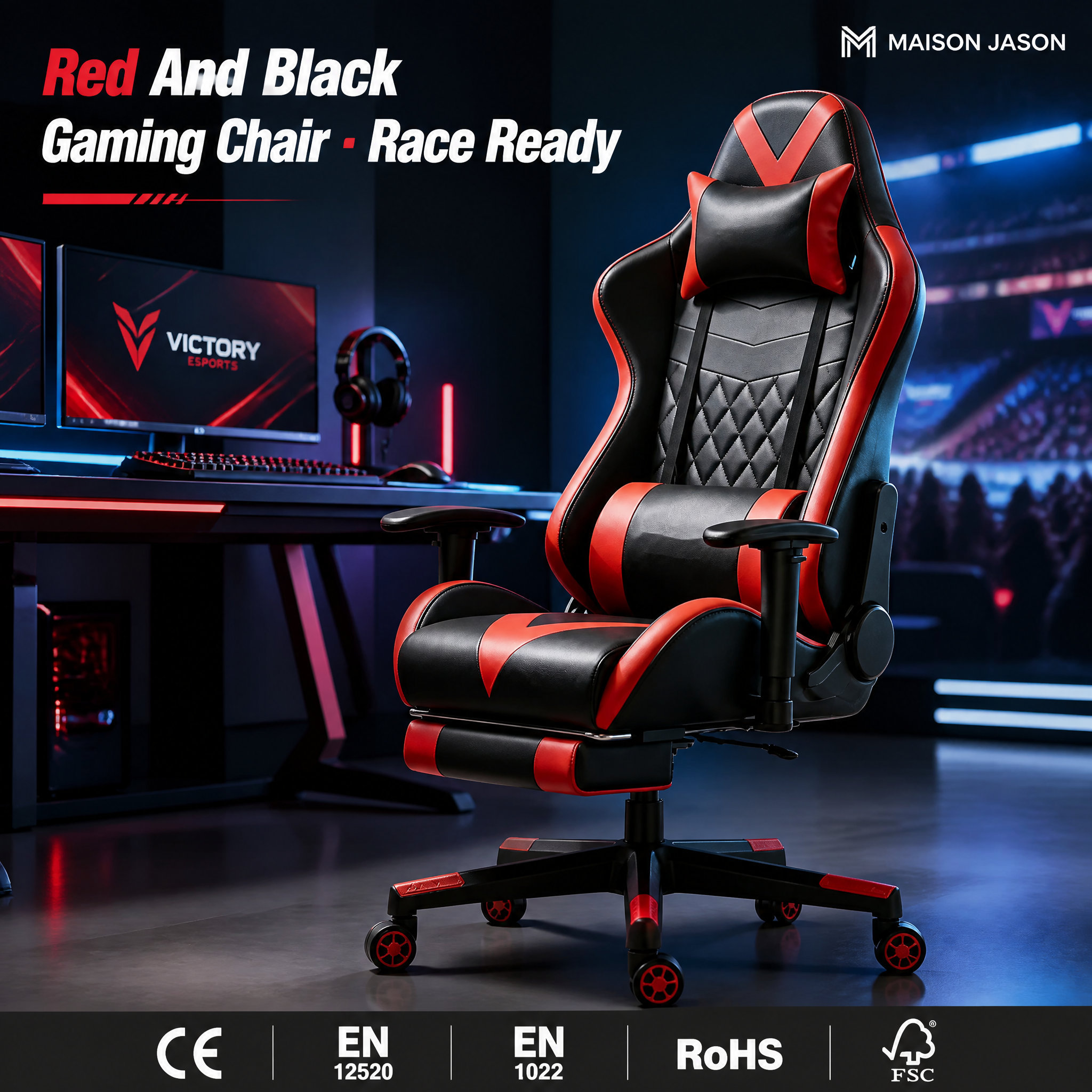

10+
Years Direct Export & Custom Manufacturing
100%
Multi-Stage Pre-Shipment In-House QC
24h
Engineering CAD / Sample Turnaround Response
9 Major
Consolidated Export Product Categories
Industry Benchmark
Comparative Analysis: Top 10 Modern Dining Chairs Manufacturers & Industrial Clusters
A procurement director's evaluation matrix profiling leading global production ecosystems, manufacturing capacities, engineering strengths, and pricing dynamics across prime manufacturing epicenters.
| Manufacturer / Cluster Tier | Hub & Geographical Specialization | Core Structural Metallurgy & Joinery | MOQ & Scalability Framework | Primary Commercial Advantage |
|---|---|---|---|---|
| Tianjin Modku Seating Division | Tianjin Xingang Port Cluster, China | Precision CNC cold-rolled steel, aluminum alloy & hardwood hybrid | Flexible mixed-container / Project-tailored MOQ | Seamless port-side logistics, agile OEM/ODM customization, high-yield cost control |
| Veneto Contract Consortium | Northeast Industrial Corridor, Italy | Extruded aluminum, Italian aniline upholstery, steam-bent beech | High MOQ thresholds for custom production | Global design leadership, luxury residential aesthetics, premium branding |
| Binh Duong Precision Works | Ho Chi Minh Region, Vietnam | Solid rubberwood, acacia, turned timber structures | Standard full-container load (FCL) batches | Low-tariff access to North American markets, mass-scale basic timber production |
| Guangdong Architectural Seating Corp | Foshan Cluster, China | Electroplated stainless steel, micro-fiber leather, curved acrylic | Volume-driven production per specific mold | Ultra-rapid rapid-tooling development and access to upholstery hardware hubs |
| Silesian Industrial Furniture S.A. | Katowice Economic Zone, Poland | Nordic birch ply, powder-coated modular steel | Mid-to-high contract volumes | Zero-tariff transit inside European Union, fast truckload delivery times |
| Valencia Design Fabrication | Valencia Export District, Spain | Injected polypropylene, UV-stabilized outdoor/indoor hybrids | Restricted to high volume injection runs | Architectural avant-garde silhouettes, commercial hospitality certifications |
| Bursa Contract Seating Group | Marmara Industrial Basin, Turkey | Tubular steel frame, heavy velvet, electro-brass finishes | Medium container volumes | Strategic crossway to Eurasian and Middle Eastern hospitality sectors |
| Shandong Solid Timber Craft | Qingdao Hub, China | Northern white oak, American walnut, traditional mortise-tenon | Medium to high timber volume | Deep raw lumber supplies, consistent automated kilning operations |
| Anji High-Back Ergonomic Works | Zhejiang Corridor, China | Dual-density molded PU, pneumatic cylinders, structural nylon | Scalable container batches | Dominant global leader in mechanical mechanisms and dynamic sitting support |
| Central Java Teak Collective | Semarang Region, Indonesia | FSC certified plantation teak, handwoven abaca fiber | Low to medium artisanal batches | Organic texture appeal, high weather resistance for resort settings |
Strategic Procurement
Future Sourcing Trends Reshaping Contract & Commercial Dining Furniture
Macroeconomic adjustments, shipping container yield pressures, and extended product lifecycle mandates have shifted how procurement officers choose manufacturing partners.
1. Volumetric KD Packaging & Ocean Freight Yield
Global ocean freight rate fluctuations require aggressive volumetric efficiency. Forward-thinking manufacturers are transitioning from rigid, welded chairs to Precision Knock-Down (KD) architectures. Through engineered interlocking bolts and concealed sub-assemblies, factories achieve up to 300% loading volume increases per 40ft High Cube container, reducing freight cost per unit by up to 60%.
2. Multi-Scenario Contract Durability Standard
Modern dining chairs are no longer limited to two hours of gentle dinner use. In hybrid boutique work lounges, co-living residential common areas, and high-turnover bistros, chairs undergo constant mechanical loads. Demands have shifted to BIFMA X5.1 and EN 16139 Level 2 standards, incorporating 100,000-cycle cyclic seat fatigue testing, 1.5mm+ wall-thickness cold-rolled steel, and anti-scratch PVD coatings.
3. Material Transparency & ESG Traceability
Corporate procurement teams in the EU and North America require traceable material pedigrees. This includes non-toxic waterborne polyurethane adhesives, OEKO-TEX certified stain-resistant performance textiles, low-VOC electrostatic powder finishes, and recycled content in structural plastic shells. Verified compliance prevents regulatory import delays and aligns with global eco-mandates.
Design Evolution
Technological Innovations Redefining Modern Dining Chair Manufacturing
How the convergence of ergonomic engineering, robotics, and advanced textile chemistry is elevating the dining chair category into a high-technology manufacturing discipline.
Ergonomic Office Hybrid Contouring
Dining seating increasingly integrates subtle passive ergonomic features once reserved for executive office chairs. Factories are utilizing dual-density cold-cured molded foam with zoned spinal relief contours to ensure comfort during extended dinners and remote work sessions.
Robotic Seamless Laser Metallurgy
Traditional manual welding leaves visible, uneven seams prone to oxidation and micro-cracking. Leading factories now employ automated multi-axis fiber-laser welding systems that produce ultra-clean joint seams, boosting structural load capacity beyond 300 kg while maintaining clean lines.
Hydrophobic Micro-Bouclé & Leathers
Textile developments have yielded commercial-grade performance fabrics that combine luxury residential touch with commercial durability. These materials offer 50,000+ Martindale rub ratings, oleophobic stain repellency, and integrated liquid barriers suitable for high-traffic dining rooms.
PVD Physical Vapor Deposition
Electroplating is steadily being replaced by eco-conscious PVD (Physical Vapor Deposition) titanium vacuum coatings. This process yields superior scratch protection, salt-spray corrosion resistance, and stable metallic finishes across champagne gold, satin black, and brushed bronze tones.
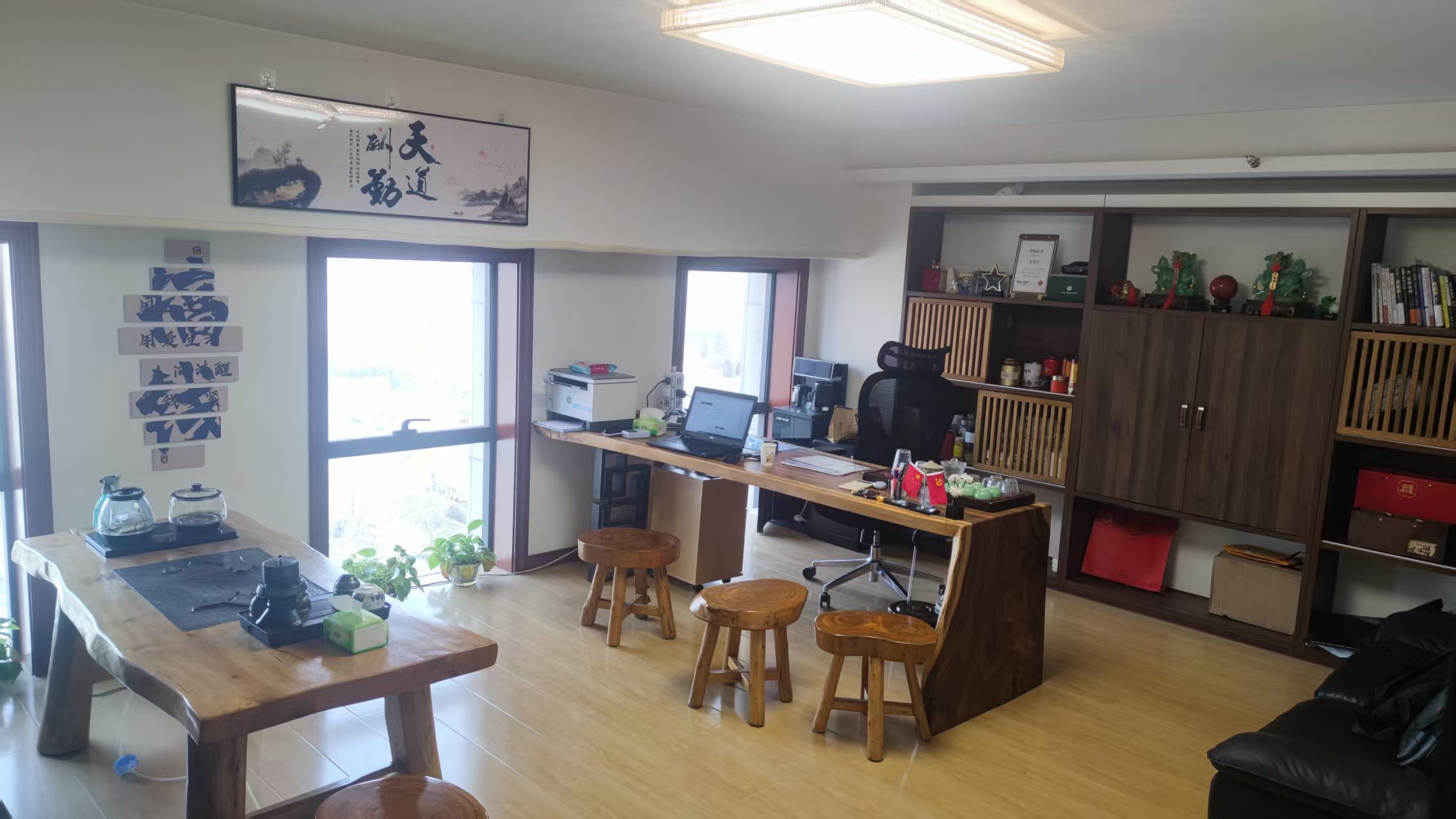
Integrated Manufacturing Ecosystem
Cold-rolled steel bending, automated welding, multi-density foaming, and clean upholstery under single-roof management.
Enterprise Advantage
Direct Factory Authority: Tianjin Modku Furniture Manufacturing Co., Ltd.
Strategically situated in Tianjin—one of Northern China's preeminent metal-processing and industrial export clusters—Modku provides an integrated manufacturing supply chain that eliminates middle-tier broker margins. We engineer and build commercial, residential, outdoor, and hospitality furniture solutions for importers, contract furnishing houses, and event leasing enterprises across 60+ countries.
Our engineering division manages rapid parametric CAD modeling, prototyping, structural load testing, and mixed-line container consolidation, helping international buyers order diverse seating designs within single shipments.
- Direct Port Logistics via Tianjin Xingang
- Full OEM/ODM Prototyping Support
- 100% Pre-Shipment Inspection Logs
- Mixed-Product SKU Consolidation
- Automated Steel Tube Laser Precision
- Third-Party Audits Welcomed (SGS / BV)
Quality Engineering
Factory Operations: 5-Stage Quality Verification Protocol
How raw steel, performance textiles, and custom components undergo systematic verification before clearance for overseas ocean transport.
1. Material Intake
Incoming spectrometer checks on raw aluminum and steel wall thickness, alongside moisture inspections on timber stocks to prevent warping.
2. Metal Framing
Robotic precision cuts, automated bending profiles, and destructive weld penetration tests to ensure joints meet commercial static load thresholds.
3. Coating & Curing
Substrate degreasing, zinc-phosphate anti-rust priming, and high-temperature curing oven monitoring for chip-resistant finish adhesion.
4. Cushion Upholstery
Laser cut fabric pieces, bonded nylon thread tensioning, and high-density resilient foam bonding to keep cushions neat and sag-free over time.
5. Drop & Pack Test
Five-layer corrugated export cartons, corner impact tests, and palletized stretch wrapping to safeguard cargo during ocean voyages.
Procurement Knowledgebase
Frequently Asked Questions: Sourcing Modern Dining Chairs from China
Detailed engineering, payment, testing, and shipping guidance answering critical buyer questions before contract signing.
What is the standard commercial MOQ, and do you support mixed container consolidation?
Our standard production MOQ typically ranges from 50 to 100 units per model/color configuration for standard designs, while fully bespoke custom-molded units require 200 units. To help importers optimize working capital, we support mixed-container orders across our dining, office, and lounge lines from our Tianjin factory, so you can test multiple collections in a single shipment.
How does Modku guarantee weld integrity and powder coating durability over time?
We use automated robotic MIG and TIG welding fixtures that deliver consistent weld penetration across all frame tubes. Metal frames go through a five-stage pretreatment wash followed by electrostatic powder deposition and 200°C baking, producing high surface adhesion verified by cross-hatch tape tests and salt-spray corrosion resistance tests.
Can you manufacture chairs according to strict fire-retardant (FR) standards?
Yes. We regularly supply contract upholstery fabrics and internal foams that meet regional flame retardancy standards, including UK BS 5852 Crib 5 and US California Technical Bulletin (CAL 117-2013). Certified third-party testing documentation can be commissioned and provided prior to production runs.
What are the lead times for prototyping and bulk export shipments?
Rapid physical prototyping from technical CAD drawings takes roughly 7 to 12 working days. Full mass-production runs typically take 25 to 35 days following deposit receipt and master sample sign-off. Our proximity to Tianjin Xingang Port allows quick drayage and container loading, helping avoid coastal feeder transport delays.
What trade terms and payment mechanisms do you accommodate?
We work with international trade terms including EXW, FOB (Tianjin Xingang), CIF, and CFR. Standard settlement terms are telegraphic transfer (T/T) via a 30% production deposit with the remaining 70% due against bill of lading (B/L) copy verification, along with secure, confirmed Irrevocable Letters of Credit (L/C at sight) for contract projects.
How does your engineering team handle private labeling and OEM custom designs?
Our OEM/ODM service covers frame structural engineering, custom dye-lot fabric matching, laser-cut branded tags, and customized high-burst export cartons. Buyers can submit 3D models (STEP/IGES) or sample photographs, and our CAD team will review them within 24 hours to confirm tooling feasibility and cost-efficient production options.
Ready to Modernize Your Seating Supply Chain?
Connect with our technical sales division in Tianjin today to review your project specs, request physical material sample rings, or obtain a comprehensive factory-direct quote.
Contact Us