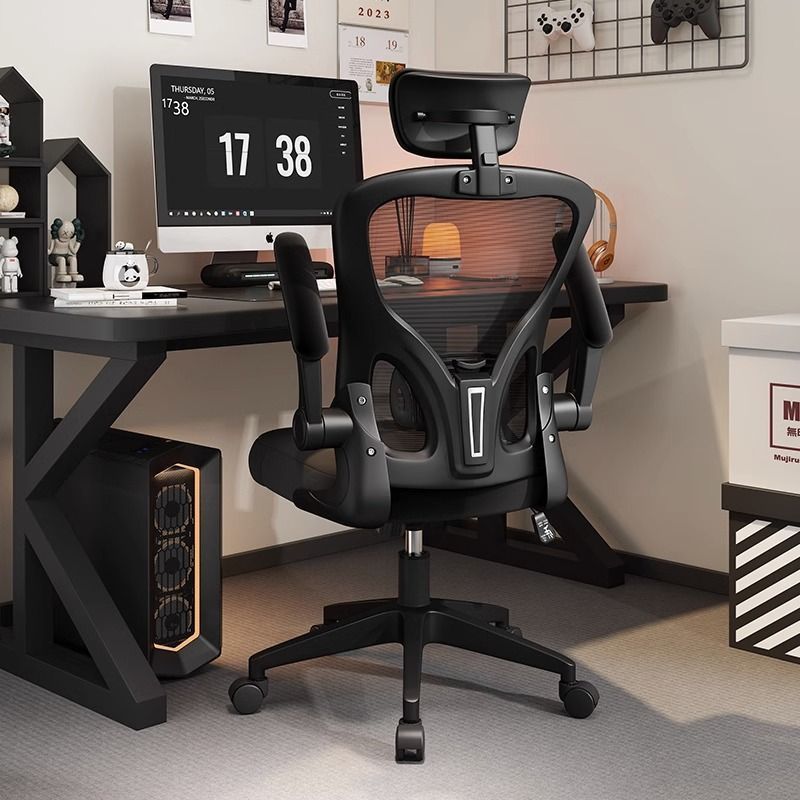
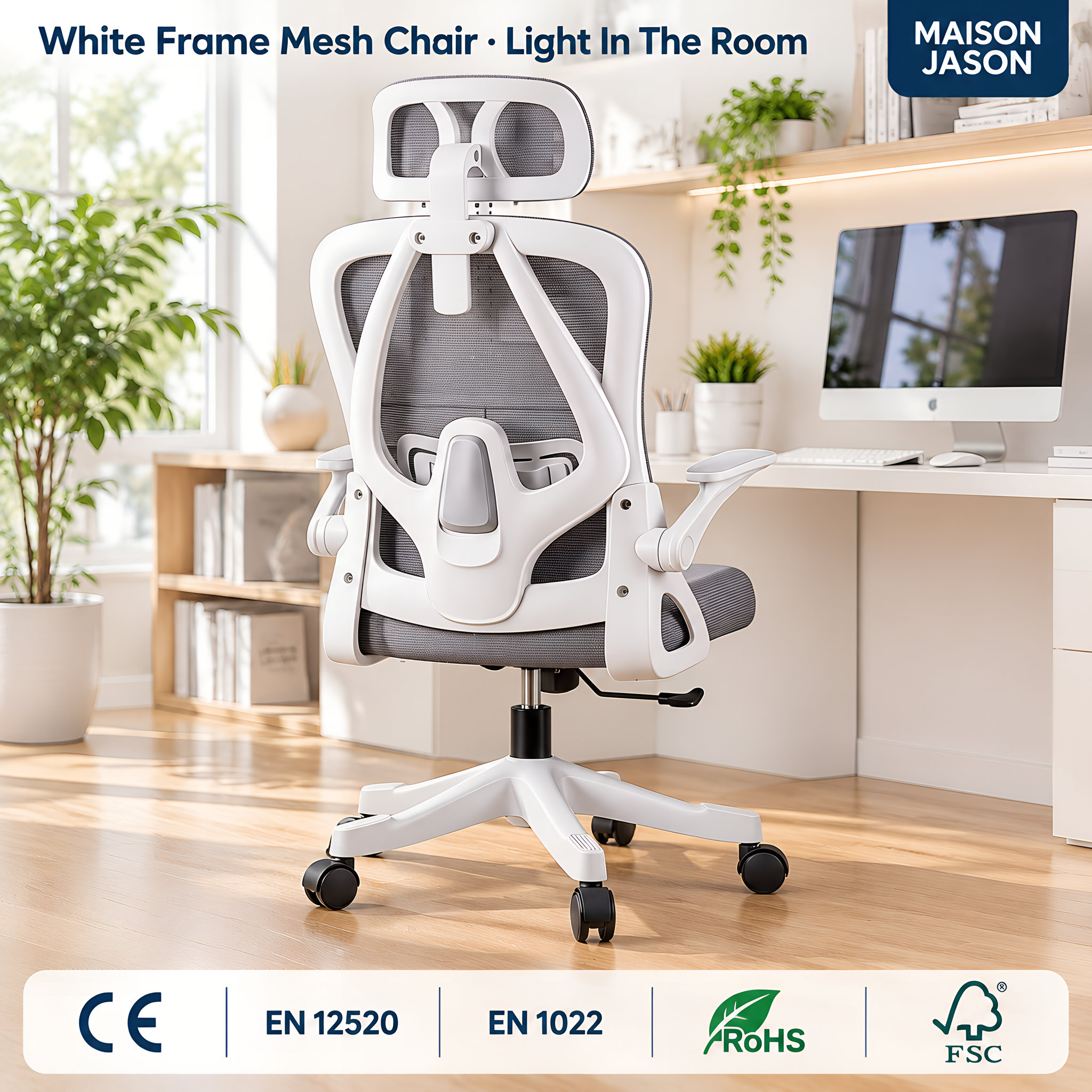
Factory-direct commercial furniture configured for enterprise facilities, contract hospitality projects, and e-commerce distribution. Each unit undergoes rigorous fatigue and tensile validation.
The commercial office seating industry is undergoing a structural transition. Corporate wellness policies, the consolidation of hybrid work patterns, and stringent green building mandates (such as LEED and WELL Building Standard) have redefined what facility managers and procurement agencies demand. Standard polyurethane foam seats are steadily being phased out in favor of breathable, high-tenacity mesh matrixes that solve chronic thermal retention and maintain uniform pressure distribution over 8- to 12-hour operational shifts.
From an engineering standpoint, mesh seating durability hinges on the tensile polymer blend. Leading Chinese and global manufacturers utilize a blend of polyester filaments interlocked with high-molecular-weight elastomeric yarns (such as Hytrel or composite thermoplastic elastomers). Unlike open-cell foam—which degrades, oxidizes, and loses up to 35% of its initial deflection resistance within 24 months of heavy usage—high-tensile technical mesh demonstrates less than 2% permanent elongation when subjected to ANSI/BIFMA cyclic drop tests (100,000 cycles at 125 kg).
| Evaluation Parameter | High-Tenacity Technical Mesh | High-Density Molded Foam (55kg/m³) | Standard Cut Sponge (28-35kg/m³) |
|---|---|---|---|
| Thermal Dissipation | Optimal (Open convective airflow) | Moderate (Heat trapped within core) | Poor (Excessive sweating & heat build-up) |
| BIFMA Structural Fatigue Life | Exceeds 150,000 continuous cycles | ~80,000 to 100,000 cycles | < 30,000 cycles (Prone to collapse) |
| VOC Emissions (GREENGUARD) | Negligible (Zero off-gassing adhesives) | Requires low-VOC curing agents | High residual TDI/MDI off-gassing risks |
| Recyclability & Circularity | High (Clean separation of PA66 & PET) | Difficult (Bonded chemically to frames) | Non-recyclable landfill burden |
Procurement directors should pay acute attention to the internal reclining mechanics. Budget office chairs use sheet-metal stamped friction plates that generate friction noise, wear out rapidly, and require awkward multi-lever operations. Enterprise-grade mesh seating utilizes die-cast aluminum synchro-tilt wire-controlled chassis. These mechanisms link the backrest angle to the seat pan in an ergonomic 2:1 or 2.5:1 ratio, keeping the user's feet firmly planted on the floor while allowing the pelvic girdle to pivot naturally without compressing femoral circulation.
When importing from Chinese manufacturing clusters, product documentation must be rigorously audited. Key testing milestones include:
A rigorous comparative analysis of the world's premier commercial seating producers, evaluating regional capabilities, customization depth, and export scalability.
Strategic indicators shaping the international furniture supply chain over the next five years.
With volatile maritime shipping rates, commercial buyers are transitioning from semi-assembled items to advanced Knock-Down (KD) engineered packaging. Redesigned base molds and quick-latch backrests allow factories to fit up to 650-700 units into a 40' High Cube container, reducing per-unit landed freight costs by over 38% compared to traditional 450-unit packing methods.
Supply chain traceability has evolved from a marketing buzzword to a procurement requirement. Enterprise tenders increasingly demand frames molded with at least 30% to 50% post-consumer recycled (PCR) polypropylene or certified ocean-bound nylon, alongside non-toxic woven mesh that is completely separable from structural frames without destructive tools.
Manual tension knobs underneath the chair seat are rapidly disappearing. The next generation of commercial seating features weight-compensating kinematic hubs that automatically adjust recline resistance according to the user's body weight (from 45kg to 135kg) without requiring manual calibrations. This drastically lowers warranty repair claims caused by overtightened springs.
Combining factory-direct cost containment with deep export engineering expertise. We eliminate broker premiums while providing full transparency from raw materials to port loading.
Strategically situated in Tianjin, our facility operates in close proximity to Tianjin Xingang Port—the largest maritime gateway in Northern China. This guarantees minimized inland drayage expenses, reliable container availability, and direct shipping routes to Europe, North America, and Australia.
Unlike single-line workshops, Modku specializes in cross-category production across commercial office, ergonomic gaming, solid wood banquet, and resort patio furniture. Buyers can consolidate multiple product lines into a single shipping container with unified customs declarations.
We transform technical CAD drawings or reference samples into functional prototypes within 14 days. Our engineering capabilities include custom mold fabrication for nylon shells, specialized mesh weaving colors, personalized brand badging, and tailor-made drop-tested packaging.
Every production batch is backed by detailed inspection documentation, material traceability records, and dimensional weld audits. We welcome on-site buyer delegations and third-party global inspection organizations such as SGS, Bureau Veritas, and TÜV Rheinland.
Direct technical and commercial answers regarding lead times, testing standards, trade terms, and minimum order requirements.
Connect with our senior engineering and export sales specialists today. Whether you require a custom OEM product run, mixed-container project pricing, or official lab test certificates, we deliver rapid, reliable responses.
Inquire Now