Curated Commercial Seating & Dining Furniture
Precision-engineered solutions manufactured at our Tianjin facility, balancing structural stability, aesthetic versatility, and international hospitality standards.
10+
Years Manufacturing & Global Export
100%
Pre-Shipment Stress & Weave Auditing
25-40
Days Standard OEM/ODM Lead Time
0 km
Tianjin Port Consolidation Proximity
1. Anatomy of Commercial Grade Rattan Dining Chairs: Materials & Structural Joinery
In the global hospitality and retail furniture landscape, sourcing contract-grade rattan dining chairs demands a comprehensive understanding of raw material morphology, tension tolerance, frame load physics, and environmental stress variables. Unlike mass-market residential seating, commercial dining furniture in bistro terraces, luxury beach resorts, and corporate food-service venues undergoes severe repetitive cyclic loading. When evaluating China suppliers, B2B procurement teams must audit the fundamental divide between natural Indonesian wicker/cane and synthetic high-density polyethylene (HDPE) weaving filaments.
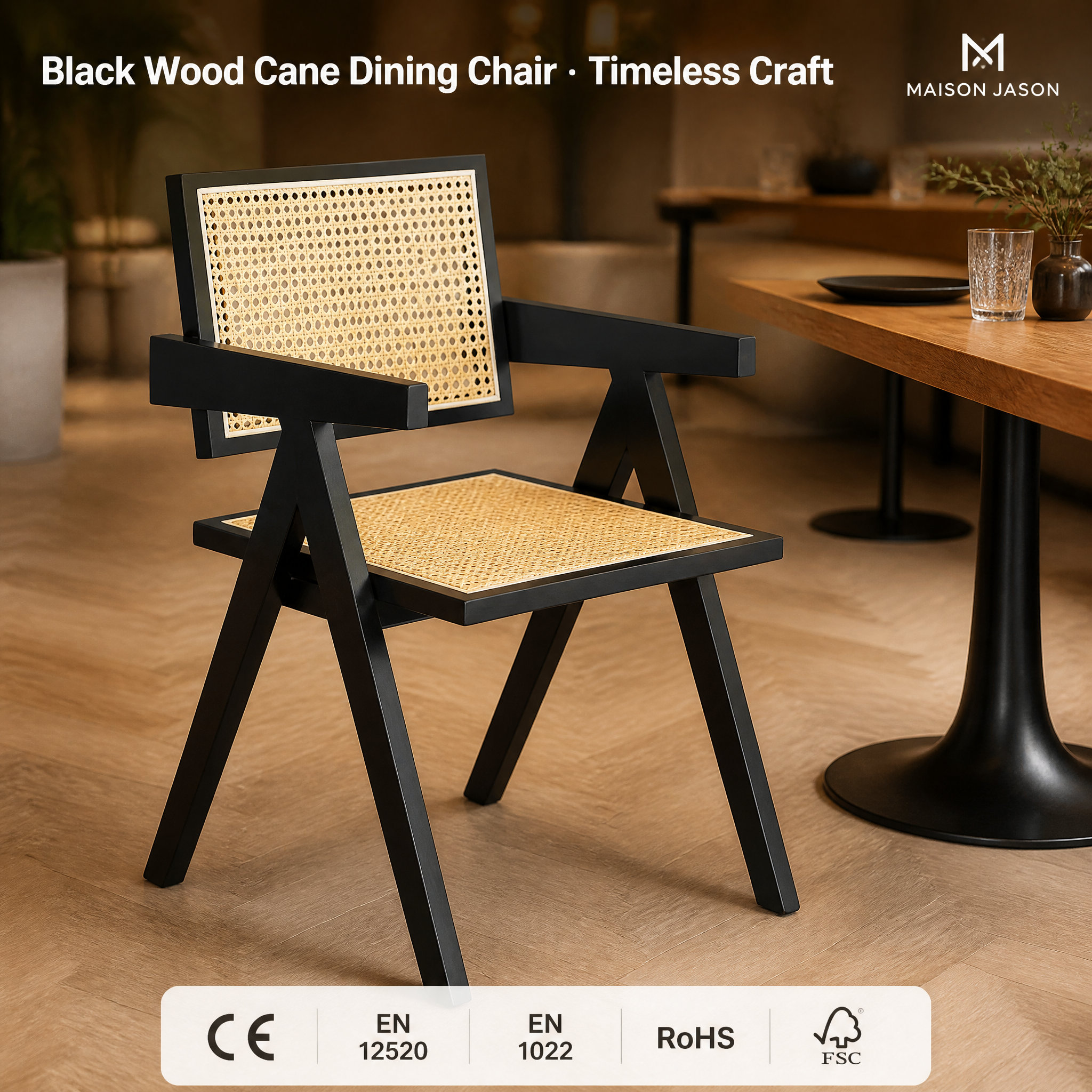
Natural Cane (Rattan Core vs. Peel): Natural rattan harvested from Southeast Asian rainforests (principally Calamus caesius and Calamus manan) provides unparalleled organic tactile warmth. In contract seating such as the iconic Chandigarh Armchair or Parisian Bistro silhouettes, the outer skin (peel) is peeled into uniform strips for cane webbing (octagonal or box weave patterns), offering high tensile elasticity. The inner core is machined into round rods for structural ribbing. However, natural cane maintains an equilibrium moisture content (EMC) sensitivity: relative humidity below 40% induces embrittlement and fiber snapping, while ambient moisture above 70% precipitates fungal mold sporulation. As an authoritative exporter based in Tianjin, Modku Furniture eliminates this failure rate by subjecting all natural timber frames (FAS-grade beech, North American white oak, and ash) to kiln-drying protocols, stabilizing moisture levels strictly between 8% and 11% prior to precision mortise-and-tenon assembly.
Contract-Grade HDPE Synthetic Rattan: For heavy-traffic commercial terraces, alfresco dining courtyards, and marine-climate installations, virgin High-Density Polyethylene (HDPE) extrusions represent the superior industrial solution. Formulated with hindered amine light stabilizers (HALS) and anti-UV carbon matrices, high-grade synthetic rattan withstands upwards of 3,000 to 5,000 hours of accelerated Xenon arc weathering (ISO 4892-2) without pigment fading, micro-cracking, or chalking. Frame engineering underneath the weave demands equal scrutiny: commercial-duty outdoor frames feature robotically welded, 6063-T5 architectural-grade aluminum tubing with wall thicknesses no less than 1.5mm to 1.8mm, pre-treated via multi-stage chemical acid etching and electrostatically powder-coated at 210°C to guarantee corrosion immunity against salt-spray intrusion (ASTM B117 standards).
Tensile Strength & Weave Density
Minimum 220N fiber tear resistance. Hand-stretched warp and weft intersections secured via pneumatic marine-grade 304 stainless steel staples beneath concealed apron rails.
Multi-Tier Joint Reinforcement
Reinforced corner corner-blocks with double-doweled wood joinery or continuous circumferential 360° aluminum welds, preventing lateral sway under 300+ lb commercial test loads.
Climatic Weatherproofing
Hydrophobic water-based polyurethane topcoats on natural timber; thermoset architectural powders on metal frames rated for UV9+ sunshine exposure index.
Commercial Surface Finishing
Four-stage hand-sanded surfaces finished with VOC-compliant, non-toxic commercial stains that pass 100-cycle scratch tests and alcohol-wipe sanitation protocols.
2. Future Procurement Trends: Circular Materials, EUDR Compliance & Freight Optimization
B2B contract furniture sourcing is experiencing a structural paradigm shift driven by legislative mandates, carbon accounting, and severe maritime logistical constraints. Procurement managers across North America, the European Union, and Australasia are no longer purchasing purely on unit ex-factory price; they evaluate full lifecycle costs and regulatory compliance.
1. Regulatory Compliance (EUDR & Lacey Act): With the formal enforcement of the European Union Deforestation Regulation (EUDR) and stringent enforcement of the US Lacey Act, solid-wood rattan dining chairs must possess unimpeachable supply-chain traceability. Modku Furniture has implemented chain-of-custody tracking verifying that all hardwood species (ash, beech, rubberwood) originate from legal, sustainably managed forest concessions with certified phytosanitary inspection logs.
2. Volumetric Packaging Efficiency (The KD Revolution): Skyrocketing ocean freight volatility necessitates innovative Knock-Down (KD) and semi-KD industrial structural design. Traditional fully assembled commercial dining chairs yield modest container utilization, loading only 220–280 pieces per 40ft High Cube (HC) container (translating to disproportionate landed freight charges per unit). Modku’s engineering department designs interlocking, modular structural backrests and sub-assemblies that permit compact flat-pack crating. This increases 40HC container packing efficiency to 550–750 units without compromising on-site assembly rigidity or introducing unsightly fasteners.
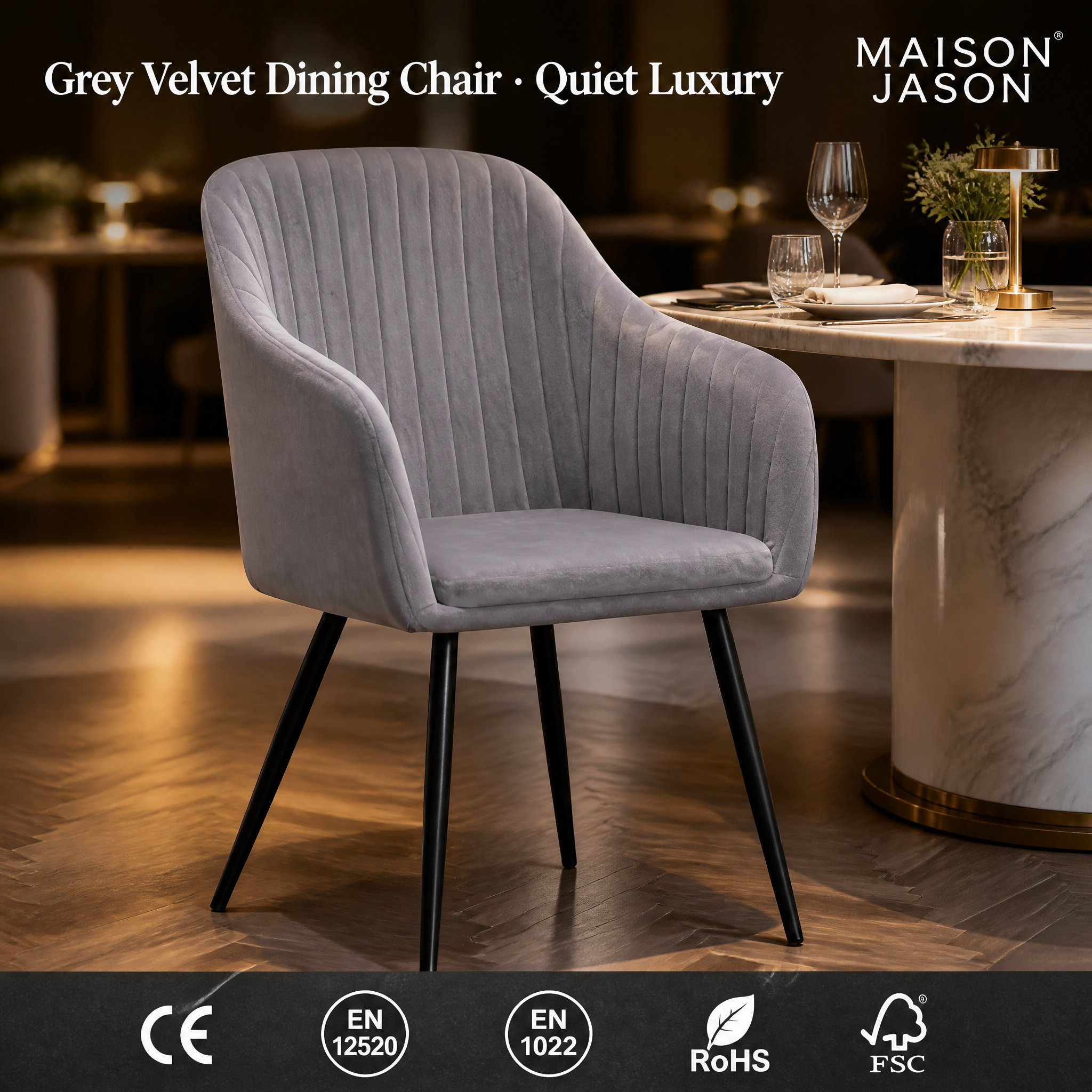
3. Hybrid "Resimercial" Aesthetics: Modern hospitality interior architects are blurring the barrier between residential softness and commercial endurance. Dining venues, boutique hotels, and luxury co-working lounges favor the biophilic warmth of organic woven cane paired with minimalist Scandinavian wood silhouettes, velvet upholstery, and brushed matte-black metal legs. Sourcing from a versatile manufacturer capable of consolidating wood-crafting, metal fabrications, manual weaving, and precision sewing eliminates the nightmare of multi-vendor supply chain friction.
Plan Your Next Container Consolidations with Direct Factory Pricing
Access our comprehensive 2025/2026 commercial seating specifications, fabric swatches, and structural test reports.
3. Technical Specification Matrix: Natural vs. Synthetic Rattan Dining Chairs
The table below illustrates the mechanical capabilities, testing thresholds, and environmental limits comparing primary commercial rattan construction typologies. Use these criteria during incoming quality acceptance (AQL 2.5/4.0) assessments.
| Engineering Attribute | Solid Hardwood + Natural Cane | Aluminum + High-Tension PE Wicker | Steel / Metal + Hybrid Webbing |
|---|---|---|---|
| Primary Best Use | Indoor Luxury Dining, Boutique Cafes | Outdoor Alfresco, Coastal Resorts, Terraces | High-Traffic Fast Casual, Food Courts |
| Frame Yield Strength | Mortise & Tenon / 280 kg static load | 6063 Aluminum / 320 kg static load | Q235 Carbon Steel / 350+ kg static load |
| UV Weatherability | Indirect sunlight only (Interior rated) | 3,000 hrs Xenon Arc (ISO 4892-2) | Powder-coated (1,000 hrs UV resistance) |
| Moisture Management | Kiln-dried 8–11% EMC, anti-fungal dip | Hydrophobic synthetic resin (0% absorption) | Electrophoretic e-coating undercoat |
| Commercial Certifications | EN 12520, EN 1022, REACH Compliant | EN 581-1 / EN 581-2 (Outdoor Contract) | BIFMA X5.4 (Lounge/Public Seating) |
| Container Pack Density (40HC) | 280–340 pcs (Assembled) / 600 pcs (KD) | 320 pcs (Stackable) / 700 pcs (Nested) | 450–650 pcs (Semi-assembled) |
4. Enterprise Advantage: Tianjin Modku Furniture Manufacturing Excellence
Positioned as an established commercial furniture powerhouse in Tianjin, China, Tianjin Modku Furniture Manufacturing Co., Ltd. bridges the critical gap between traditional industrial production capacity and international export-level service transparency. While southern Chinese factories often face elevated overheads and fragmented regional sub-contractors, Modku's integrated northern industrial infrastructure yields quantifiable competitive advantages:
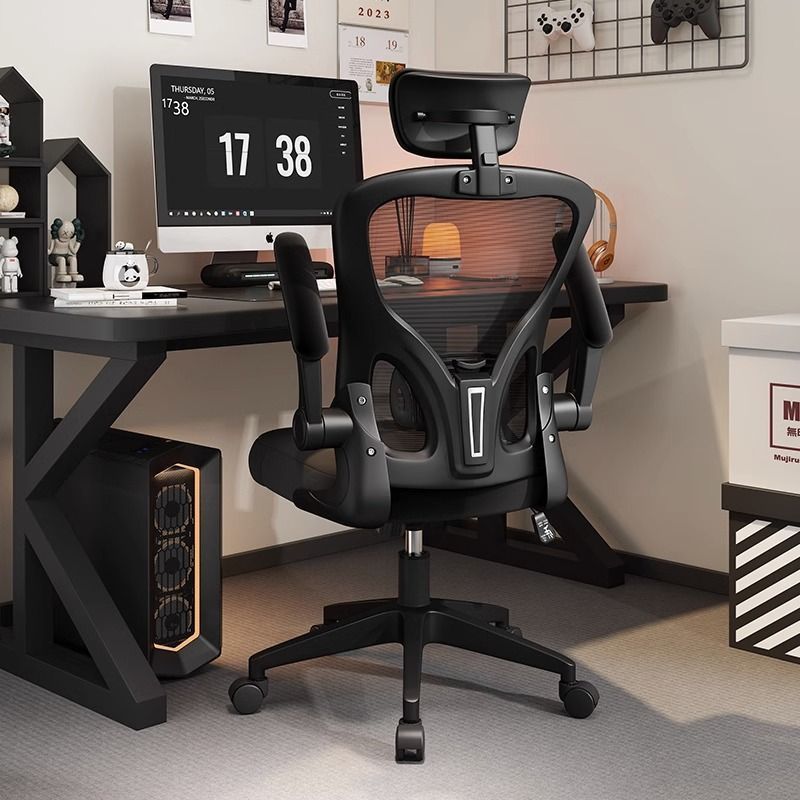
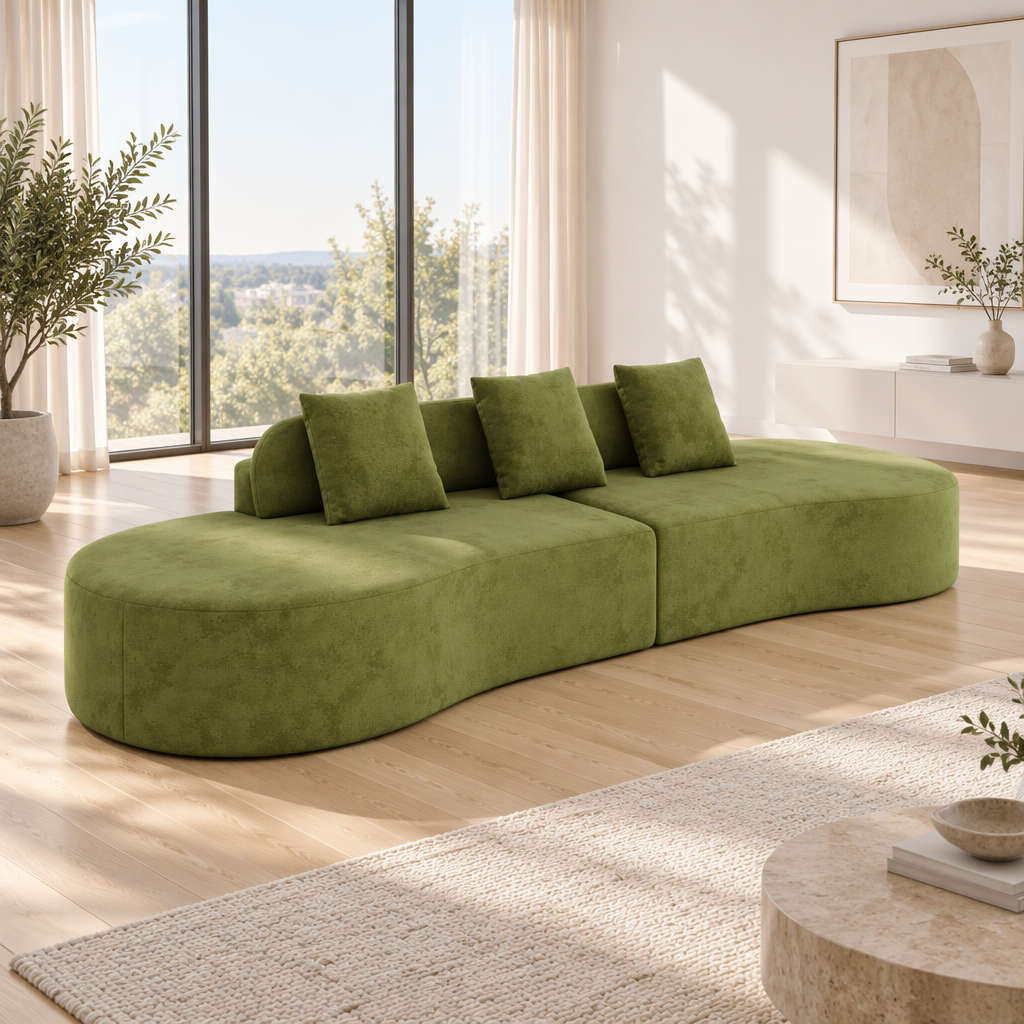
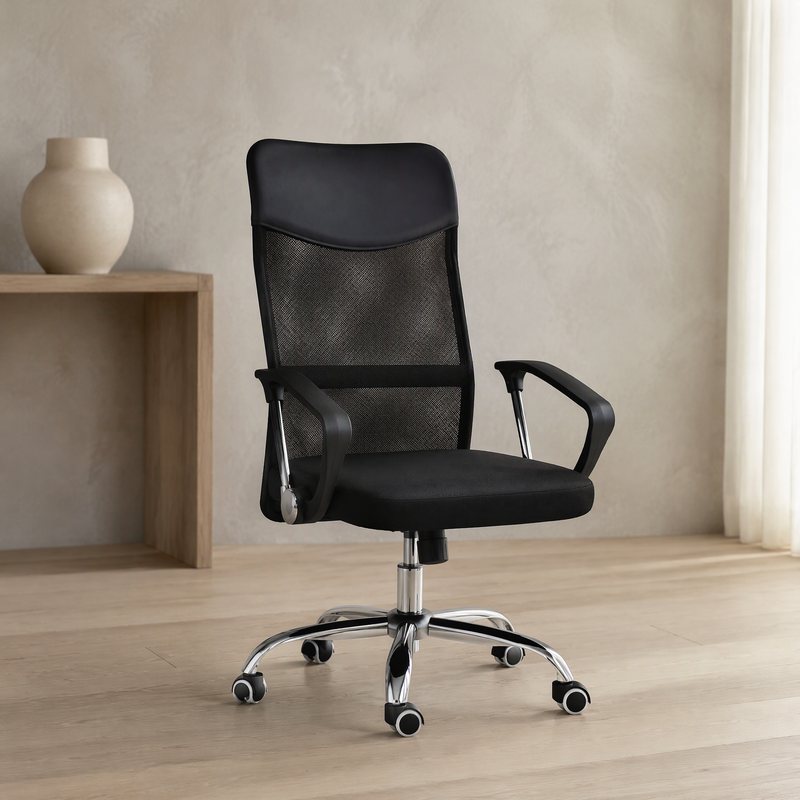
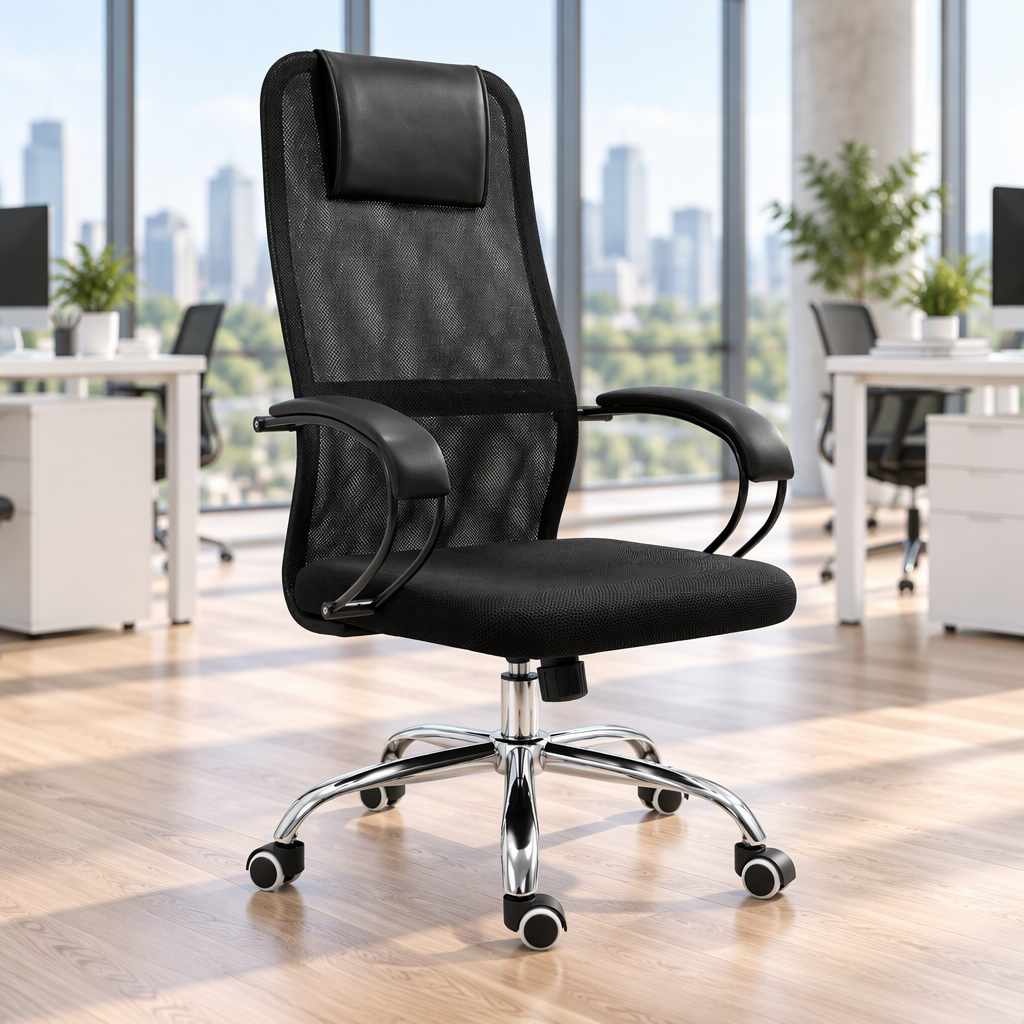
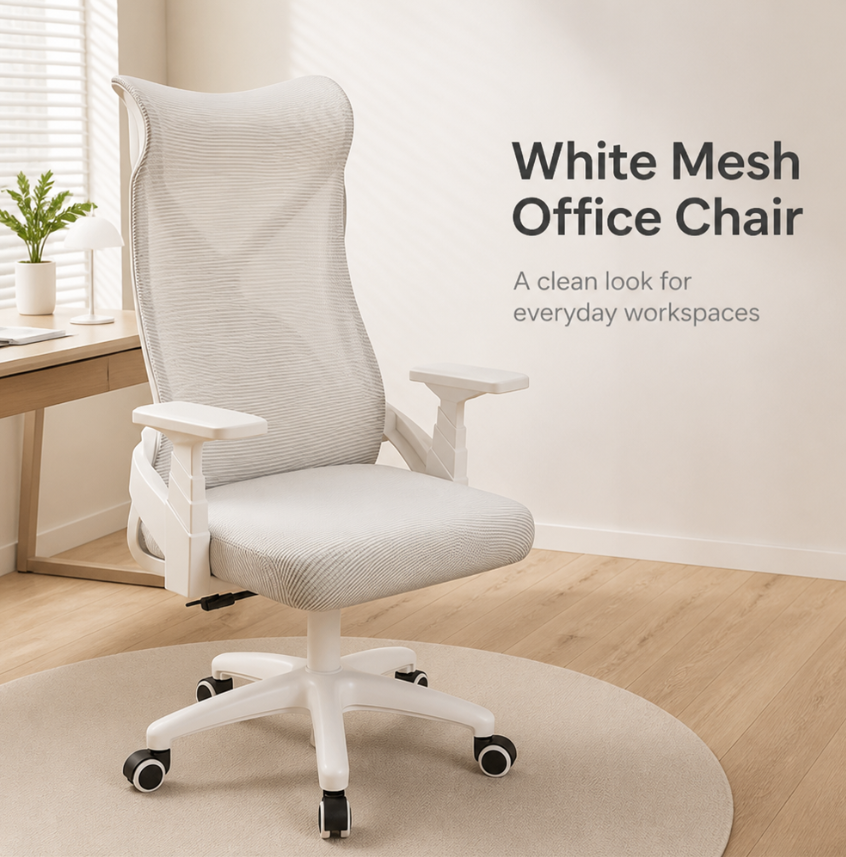
Comprehensive Multi-Category Manufacturing Hub: Rather than forcing international buyers to manage 5 to 8 separate vendors across outdoor loungers, solid wood wedding chairs, hotel banquet seating, conference chairs, and ergonomic mesh office systems, Modku manages dedicated specialized fabrication workshops under unified quality governance. Importers and project procurement directors can consolidate dining chairs, curved upholstered lounge sofas, hotel restaurant booth seating, and executive mesh chairs within identical 40ft containers, vastly reducing container dead-space, administrative L/C banking fees, and overseas port clearance tariffs.
Port-Side Logistics & Strategic Dispatch: Our direct proximity to Tianjin Xingang Port—one of Asia's premier deep-water global shipping gateways—eliminates exorbitant domestic long-distance cross-province container trucking costs. Factory-loaded sea containers move from our warehouse staging yard to harbor customs loading berths within hours. This strategic position insulates our overseas clients from inland transit delays, container return penalties, and maritime terminal delivery rollovers.
Rigorous In-House Quality Assurance Protocols: Every production batch passes through a documented four-stage quality gate:
- IQC (Incoming Quality Control): Raw rattan elongation tests, timber moisture digital probing, and metal tube wall calipers.
- IPQC (In-Process Quality Control): Structural joint integrity check, 100% weld bead penetration analysis, and manual weave tension uniformity.
- OQC (Outgoing Quality Control): EN 12520 drop tests, 100-kg static seat load endurance cycles, finish scratch resistance testing.
- Container Loading Supervision: Desiccant deployment, multi-wall 5-ply kraft carton burst-resistance verification, corner-edge protection, and fumigation execution.
5. Frequently Asked Questions (FAQ) for Contract Furniture Importers
Clear, authoritative answers addressing the operational, contractual, and technical realities of sourcing dining and commercial seating directly from our Tianjin factory.
1. What is the typical Minimum Order Quantity (MOQ) and can we consolidate mixed models?
2. What are the standard production lead times from deposit confirmation to port delivery?
3. How do you prevent fungal growth and wood warping during equatorial maritime transit?
4. Can you manufacture from our bespoke CAD blueprints or interior designer renderings?
5. Which trade incoterms, payment terms, and export documentation do you provide?
6. Are third-party quality audits (e.g., SGS, Bureau Veritas, Intertek) accommodated?
7. How does Modku ensure structural compliance with international hospitality standards?
8. What private labeling, custom branding, and e-commerce packaging options exist?
6. Step-by-Step Strategic Procurement Roadmap with Modku Furniture
Executing a seamless, error-free production cycle requires a transparent operational protocol. Here is the exact milestone sequence our project managers deploy when executing commercial contracts:
Step 1: Specification & Cost Estimation: Submit your bill of materials (BOM), model selections, fabric choices, and destination port. Our bilingual export team produces itemized commercial quotations, container volumetric CBM calculations, and duty tariff classification advice within 24 business hours.
Step 2: Prototyping & Material Sign-Off: Pre-production physical samples are crafted with chosen finishes (swatch rings for finishes and woven samples dispatched via express courier). Physical testing feedback is integrated before production tooling activation.
Step 3: Bulk Precision Assembly: Raw material lots are checked, timber moisture verified, frames welded, and manual weaving completed by master artisans. Milestones are backed by weekly real-time photo and video progress reports.
Step 4: Quality Gate & Packaging: Assembled units undergo dimensional, static load, and surface integrity auditing. Products are packed with high-density EPE foam wrapping, corner guard shields, and 5-ply export grade outer cartons.
Step 5: Port Delivery & Loading: Direct container transport from our Tianjin factory to Tianjin Xingang terminal. Stacking diagrams maximize CBM fill efficiency to ensure your ocean freight cost per seat is minimized.
Transform Your Commercial Seating Supply Chain Today
Connect directly with our Tianjin manufacturing engineering team to review technical blueprints, lock in container volume pricing, or request physical material samples.