Precision Contract Engineering & Ergonomic Seating Collection
Explore commercial-grade seating engineered directly for international hospitality projects, executive corporate suites, and mixed-container export logistics.
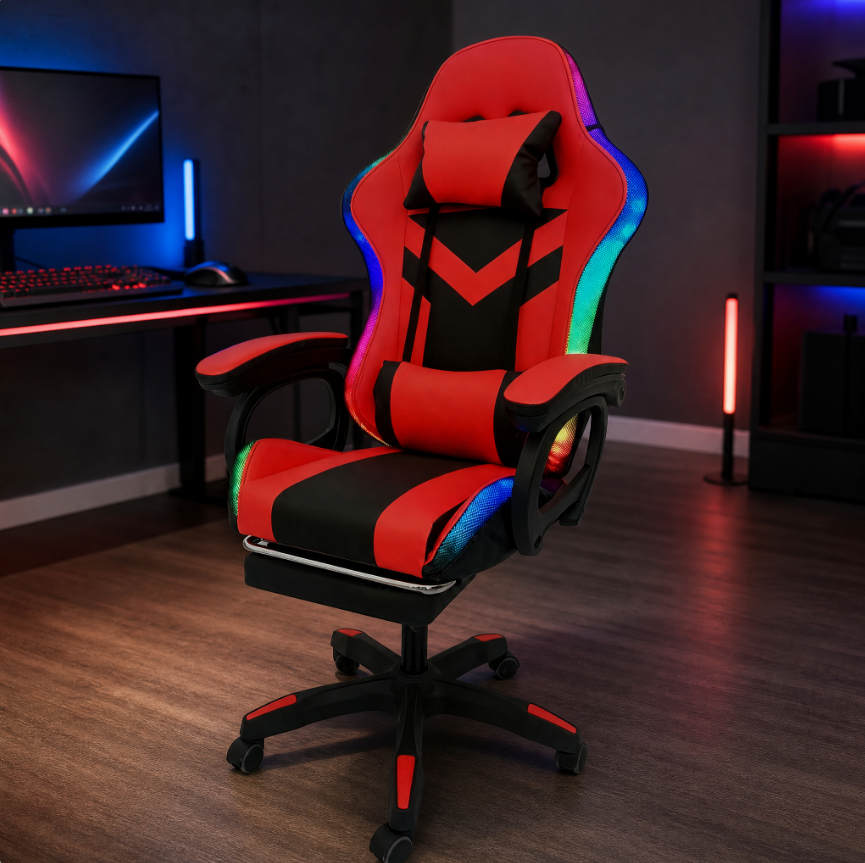
Ergonomic RGB LED Gaming Chair with Footrest High Back Reclining Support
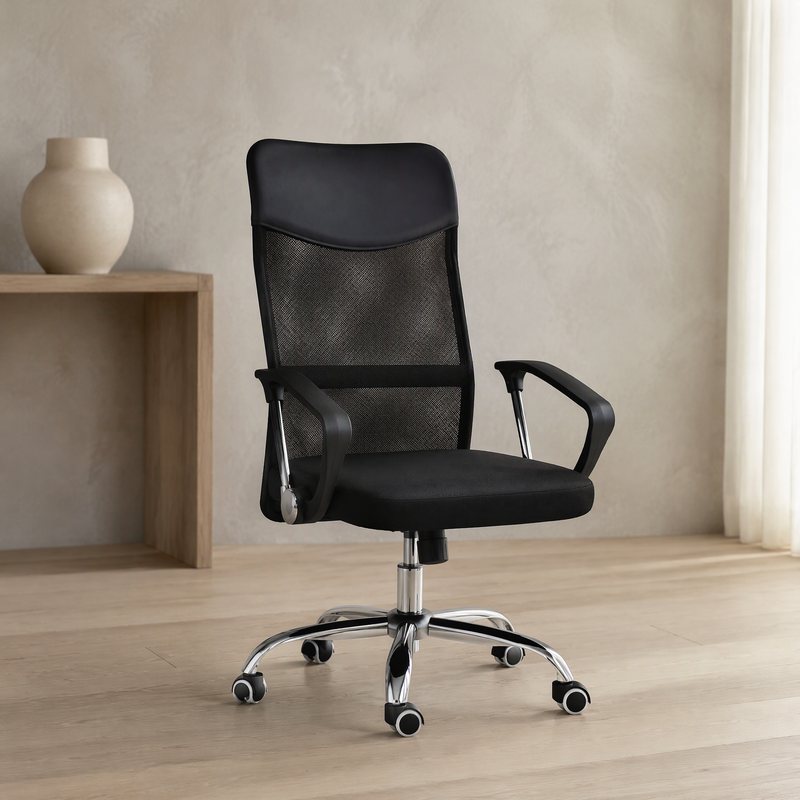
Professional Black Mesh Office Chair Comfort Features Executive Desk Seating
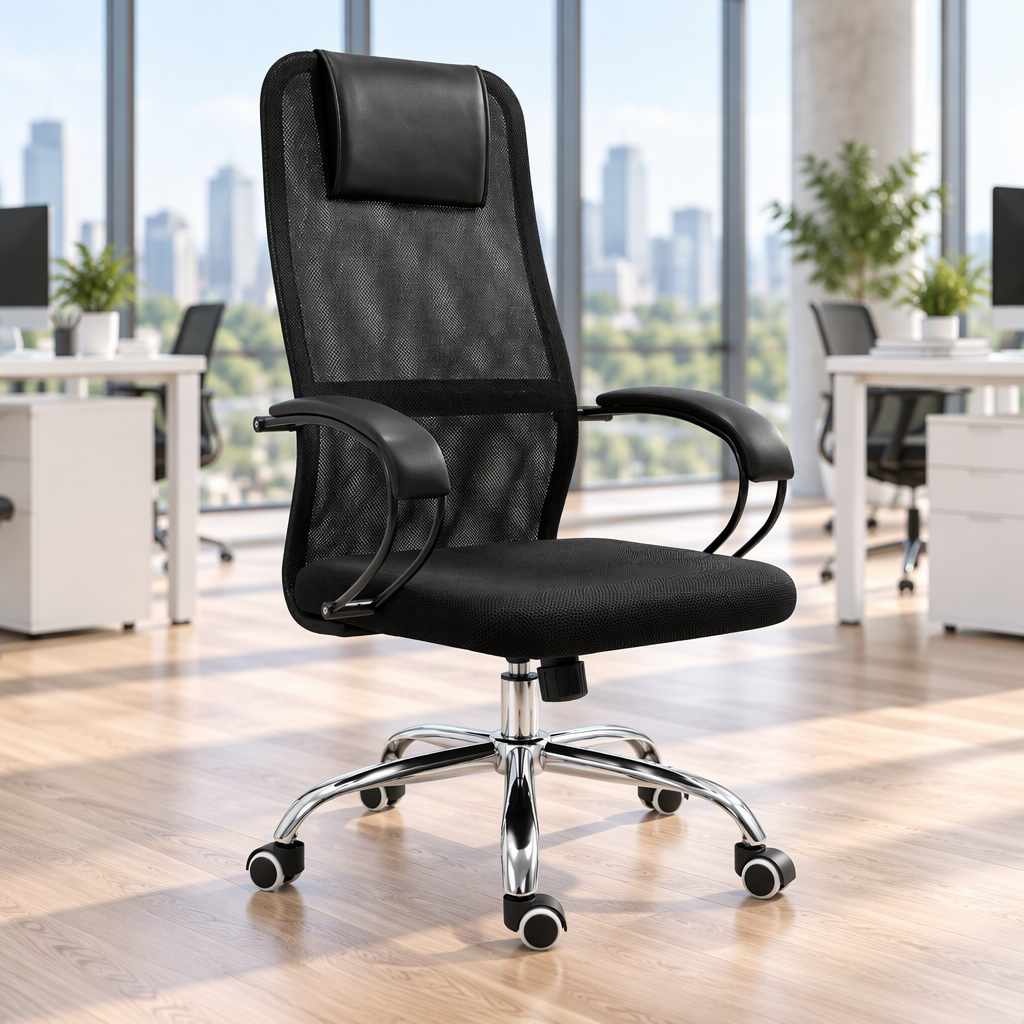
High Back Ergonomic Mesh Office Chair with Padded Headrest Lumbar Support
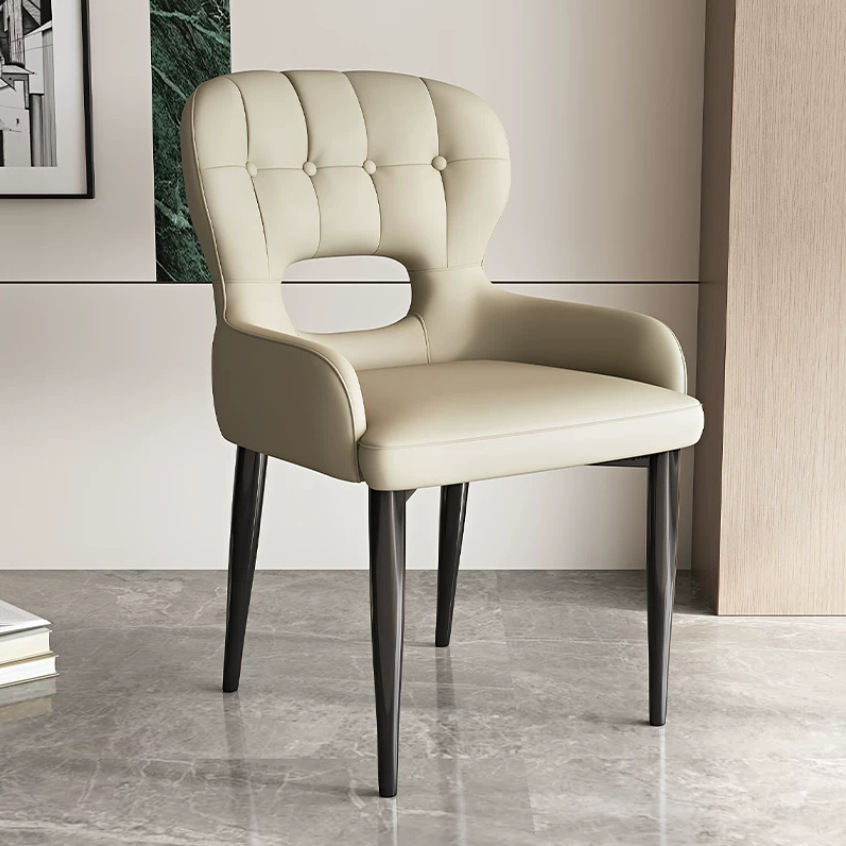
Modern Fabric Dining Chair Cutout Backrest Thickened Upholstery Metal Legs
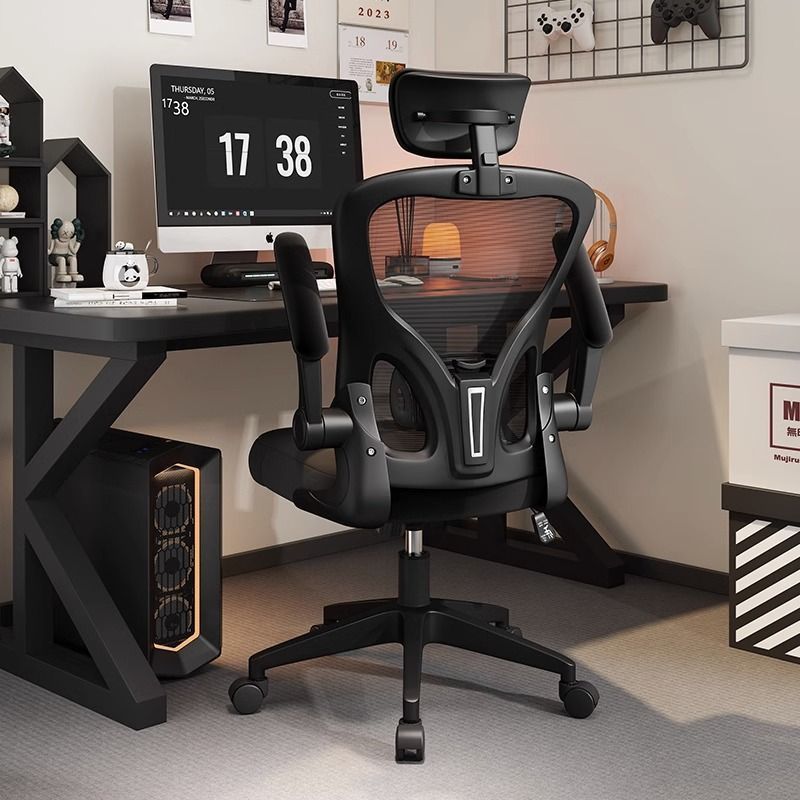
Ergonomic Mesh Office Chair Height Adjustable Swivel Reclining Task Seating

Modern Minimalist Lounge Armchair Fabric Upholstered Cotton Accent Seat
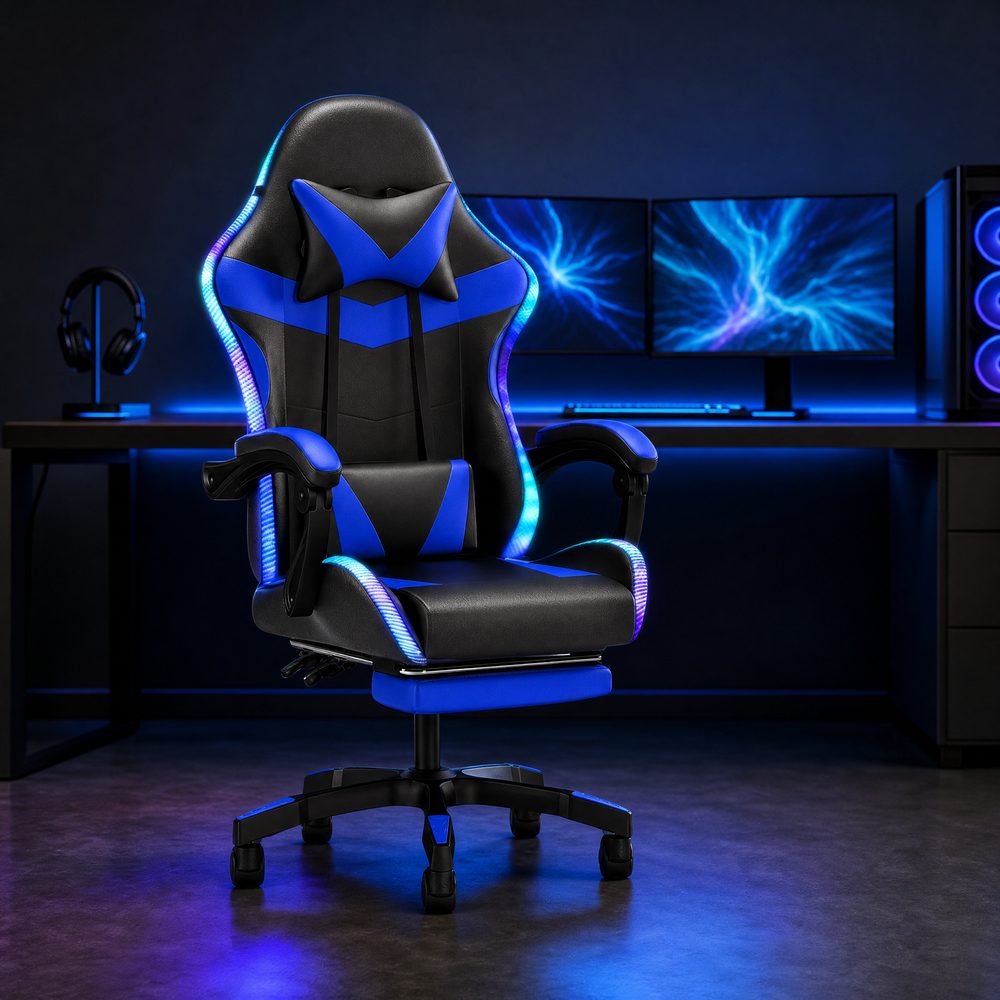
Gaming Chair with RGB Light Strip Headrest PU Leather Racing Seating
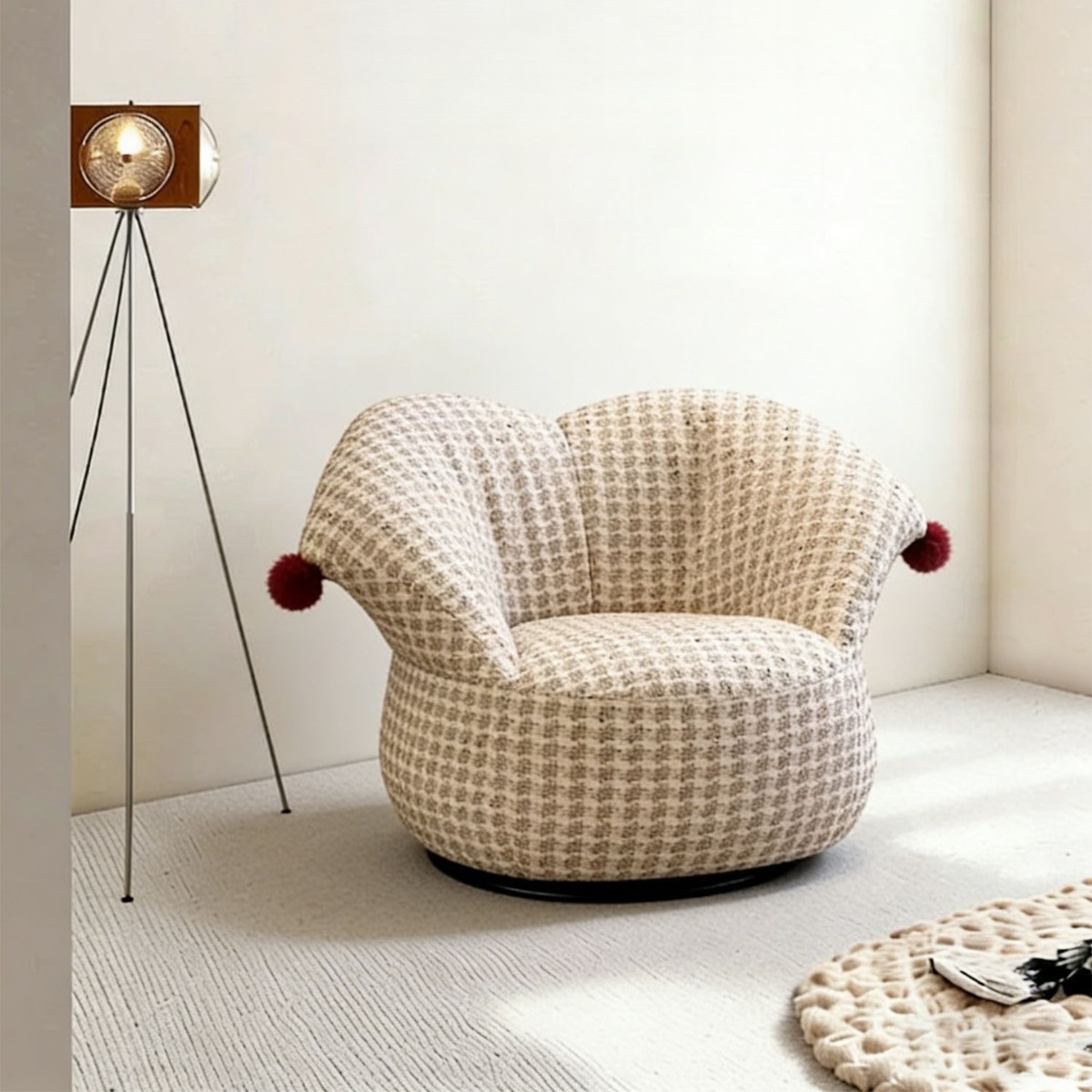
Modern Fabric Swivel Recliner Leisure Chair Solid Back Metal Base
Strategic Sourcing: China Top Hotel Beds Factories & Exporter Directory
A technical guide for global procurement heads, hospitality developers, and commercial project managers balancing high-cycle durability with container space efficiency.
When engineering world-class hospitality guestrooms, the bed is not merely a piece of furniture; it is the core revenue-generating infrastructure of your property. Leading hospitality conglomerates recognize that guest ratings, review velocity, and recurring reservations correlate directly with the quality of sleep delivered. Sourcing from China top hotel beds factories & exporter networks represents an invaluable strategic advantage: access to state-of-the-art automated steel joinery, precision pocket-spring hardening, eco-compliant kiln-dried timber processing, and advanced upholstery techniques, all backed by northern China's deep logistics infrastructure centered at Tianjin Xingang Port.
Operating out of Tianjin, Tianjin Modku Furniture Manufacturing Co., Ltd. serves as a high-authority bridge between technical contract design blueprints and mass factory production. Navigating the commercial furniture landscape requires an intimate understanding of structural stress ratings, anti-microbial treatments, fire-retardancy classifications, and flat-pack volume optimization. International buyers must move beyond residential-grade aesthetics to understand how hotel beds, headboards, mattress support systems, and accompanying lounge seating withstand rapid guest turnover, intensive cleaning protocols, and decades of relentless commercial application.
1. The Evolution of Commercial Hotel Beds: Engineering and Material Thresholds
Commercial-grade bed systems demand engineering tolerances completely alien to retail consumer goods. In high-traffic boutique hotel suites, extended-stay executive serviced apartments, and massive 5-star destination resorts, beds endure multi-point cyclical dynamic loading exceeding 300 to 500 kilograms. Modku's contract manufacturing infrastructure optimizes every component across three critical subsystems:
Subsystem A: Structural Sub-frames & Joinery. The Achilles' heel of contract bedding is joint loosening and resonant creaking. Leading factories deploy heavy-gauge cold-rolled carbon steel tubing combined with robotic seam-welding, supplemented by internal gusset plates. Where solid hardwoods like European beech or American white ash are requested, our computerized kiln-drying facilities control interior moisture content strictly between 8% and 12%. This precision prevents warping, splits, and seam opening under fluctuating commercial HVAC conditions.
Subsystem B: Mattress Base Ergonomics & Pocket Spring Hardening. Contemporary contract bed design favors rigid yet breathable upholstered platform bases (box foundations) featuring integrated acoustic dampers. Instead of traditional bonnell springs that transfer kinetic ripples across the sleep surface, modern factory exporters integrate localized, oil-tempered independent pocket spring arrays. Each spring core undergoes high-frequency induction hardening to retain mechanical elasticity over a minimum 100,000-cycle compressional durability test regime.
Subsystem C: Contract Upholstery & Performance Textiles. The fabric or engineered leather covering hotel bed frames, headboards, and accent chairs must achieve abrasion thresholds exceeding 50,000 to 100,000 Martindale rubs. Surface coatings feature water-repellent, anti-stain, and anti-fungal barrier chemistry while adhering to strict flame-retardant legal requirements, including USA California Technical Bulletin 117-2013 (CAL 117), NFPA 260, and British Standard BS 5852 Crib 5.
Certified Fire Retardancy
Direct compliance with BS 5852 Crib 5, CAL 117, and IMO fire-safety standards for maritime cruise and onshore hospitality suites.
Anti-Microbial & Zero-VOC
Water-based electrostatic lacquers, OEKO-TEX Standard 100 foams, and anti-dust-mite inner barriers protecting guest wellbeing.
Knock-Down (KD) Logistics
Modular joint structures engineered for minimal CBM, decreasing shipping overhead while guaranteeing 15-minute on-site installation.
2. Future Procurement Trends: Where Contract Hospitality Sleep Is Heading
Procurement directors no longer evaluate furniture purely on initial invoice price. Corporate ESG mandates, lifecycle costing (LCC), and rapid guest room turnover metrics dominate high-level buying strategies. As a prominent Tianjin furniture manufacturer and exporter, Modku monitors several micro- and macroeconomic industry trends shaping 2026–2030 hospitality FF&E (Furniture, Fixtures, and Equipment) specifications:
A. Circular Economy & Modular Disassembly. Institutional investors demand zero-landfill FF&E. Forward-thinking hotel chains specify bed bases with snap-lock modular components. When an upholstery panel experiences cosmetic damage or a linen stain, room service staff can replace the textile module in ten minutes without retiring the primary steel chassis. This capability drives a 60% reduction in replacement capital expenditures across 7-year renovation schedules.
B. Integrated Power, Acoustics, and Sensor-Driven Ergonomics. The boundary separating beds from connected workstation units continues to blur. Modern hotel beds manufactured for business properties seamlessly incorporate ultra-low-profile wireless Qi charging surfaces, recessed ambient LED lighting paths with warm circadian color temperatures, and noise-dampening upholstered headboards engineered with sound absorption coefficients (NRC) above 0.65.
C. Container Yield Optimization and Freight Risk Mitigation. High international ocean container tariffs make container packing density a deciding competitive metric. Advanced factories apply 3D parametric computer modelling to design KD (Knock-Down) framing. By nesting frame segments, utilizing high-pressure roll-packing for pocket-spring cores, and nesting accompanying contract dining or accent chairs within the empty internal voids of container cubic capacity, exporters double or triple shipping space productivity.
| Evaluation Parameter | Standard Retail Market Grade | Modku Contract Hospitality Grade |
|---|---|---|
| Static & Dynamic Load Capacity | 150 kg – 200 kg; prone to joint deflection | 500+ kg certified; robotically welded structural frames |
| Acoustic Performance | Unlined wood-on-wood; squeaks over time | Zero-decibel rating; internal nylon isolation bushings |
| Fire Compliance Standards | Basic residential TB 116 / non-certified | BS 5852 (Crib 5), CAL 117-2013, NFPA 260 full traceability |
| Foam Core Durability | 20–25 kg/m³ low-resilience polyurethane | 38–50 kg/m³ high-density molded, anti-sag recovery |
| Export Container Space Density | Bulky pre-assembled units, wasted CBM | Precision KD / Flat-Pack; optimized for mixed loading |
3. Modku's Manufacturing Authority: Tianjin Port-Side Production Excellence
Based in the manufacturing territory of Tianjin, China, Tianjin Modku Furniture Manufacturing Co., Ltd. offers global B2B clients unmatched production bandwidth. Our enterprise spans across comprehensive commercial and residential product categories—including outdoor collections, stackable banquet chairs, luxury hotel suites, executive ergonomic mesh chairs, and precision dining furniture. This extensive manufacturing scope empowers international hotel developers and event rental firms to consolidate disparate product needs within a single, highly vetted vendor.
Rather than negotiating with separate suppliers for guest beds, lobby armchairs, banquet seating, and restaurant furnishings, procurement teams collaborate with our in-house engineering and production staff. Modku's facility houses precision CNC metal cutting machines, semi-automatic tube benders, modern powder-coating spray lines, high-tension fabric weaving jigs, and computerized pattern-cutting tools. We operate within minutes of Tianjin Xingang Port, Northern China’s premier maritime hub, directly insulating clients from inland logistics delays, double-handling container damages, and unnecessary transport markups.
Quality control operates under strict milestone checkpoints: from steel gauge caliper verification and fabric rub testing upon raw inventory arrival, to dynamic drop testing during pilot production, followed by final carton drop tests and pre-shipment container loading validation. Transparent, high-definition photo and video inspection dossiers are submitted to the buyer before balances are drawn or bills of lading are issued.
Frequently Asked Questions: Global Sourcing
Essential guidance for commercial furniture importers, project contractors, and hotel chain procurement directors.