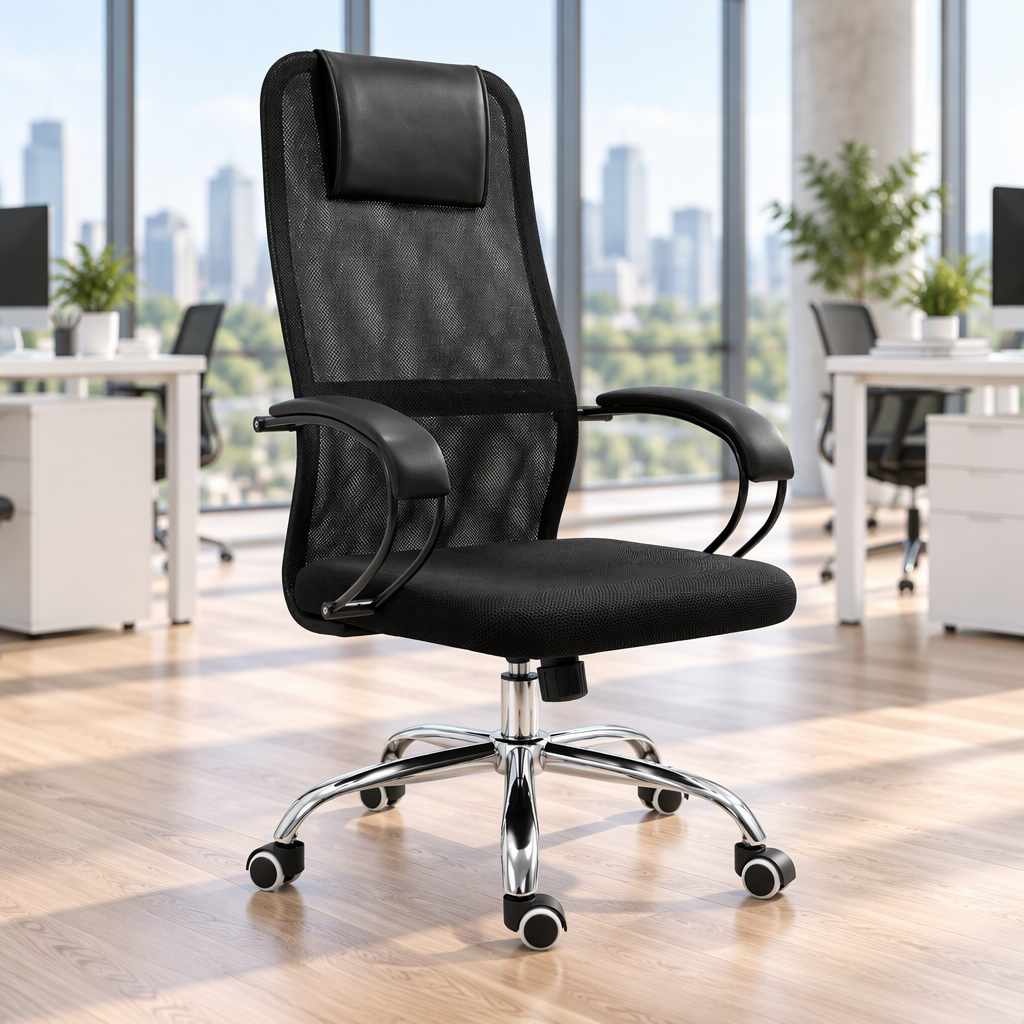
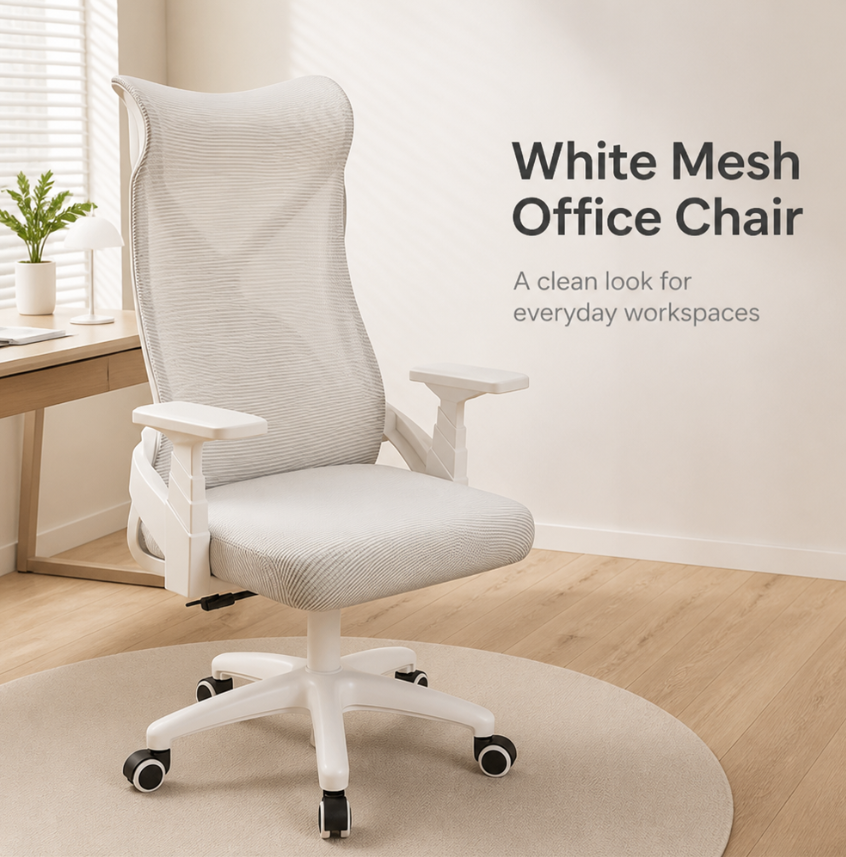
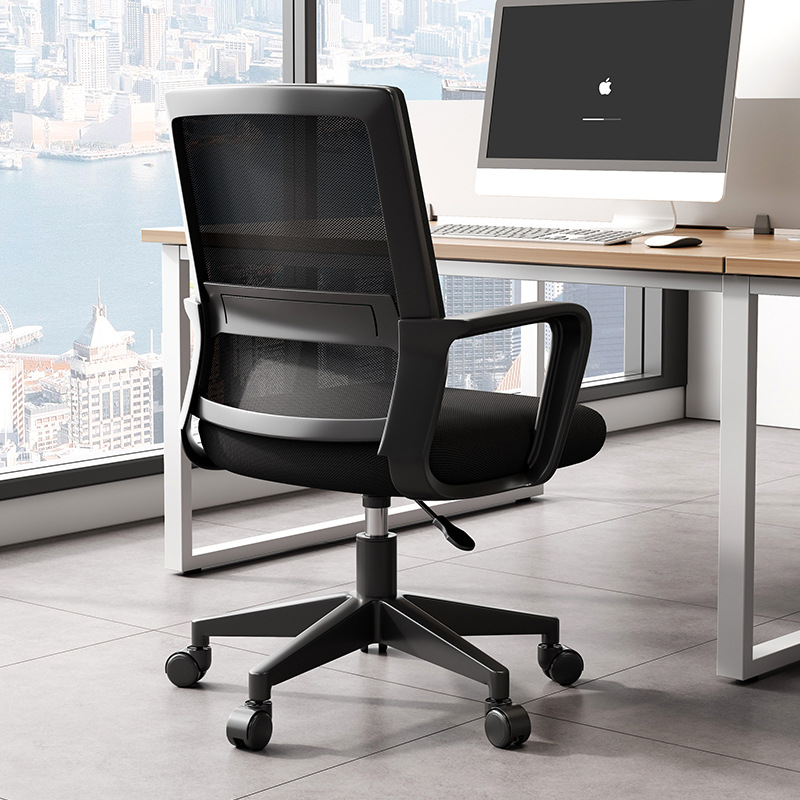
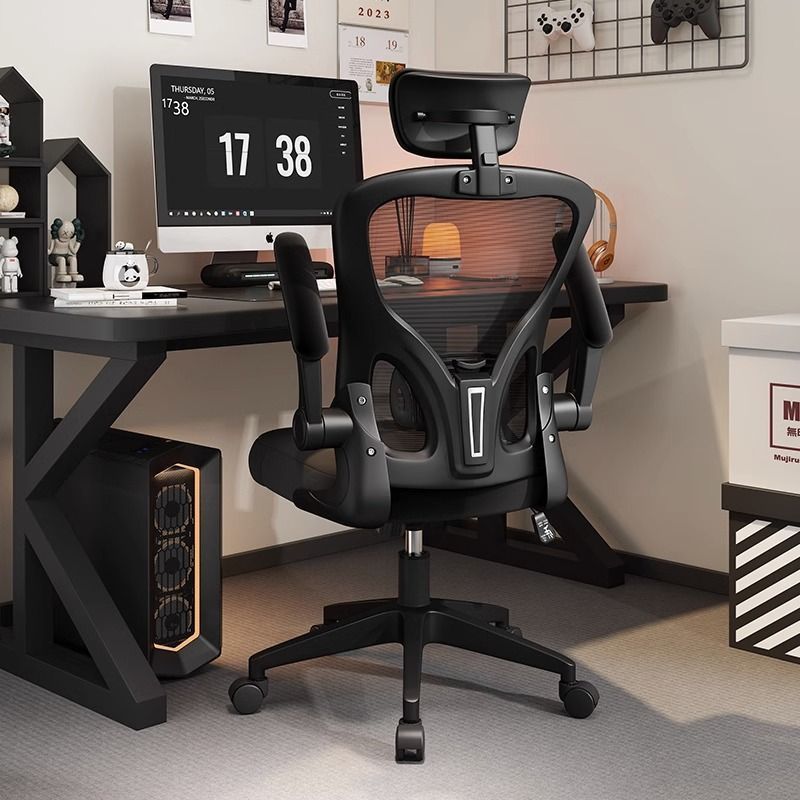
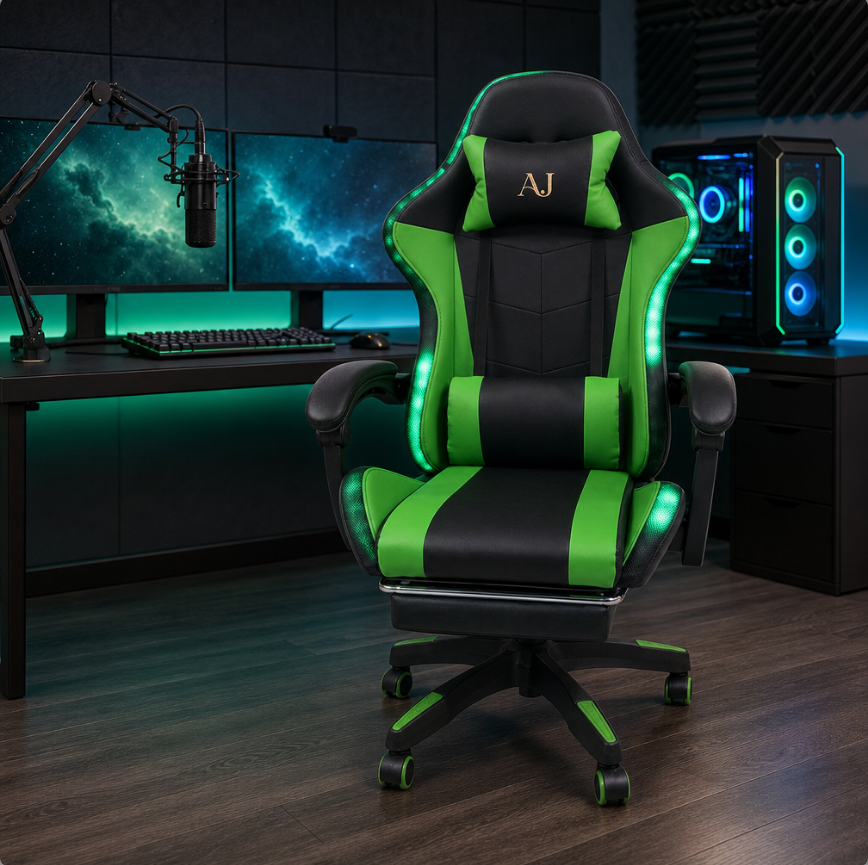
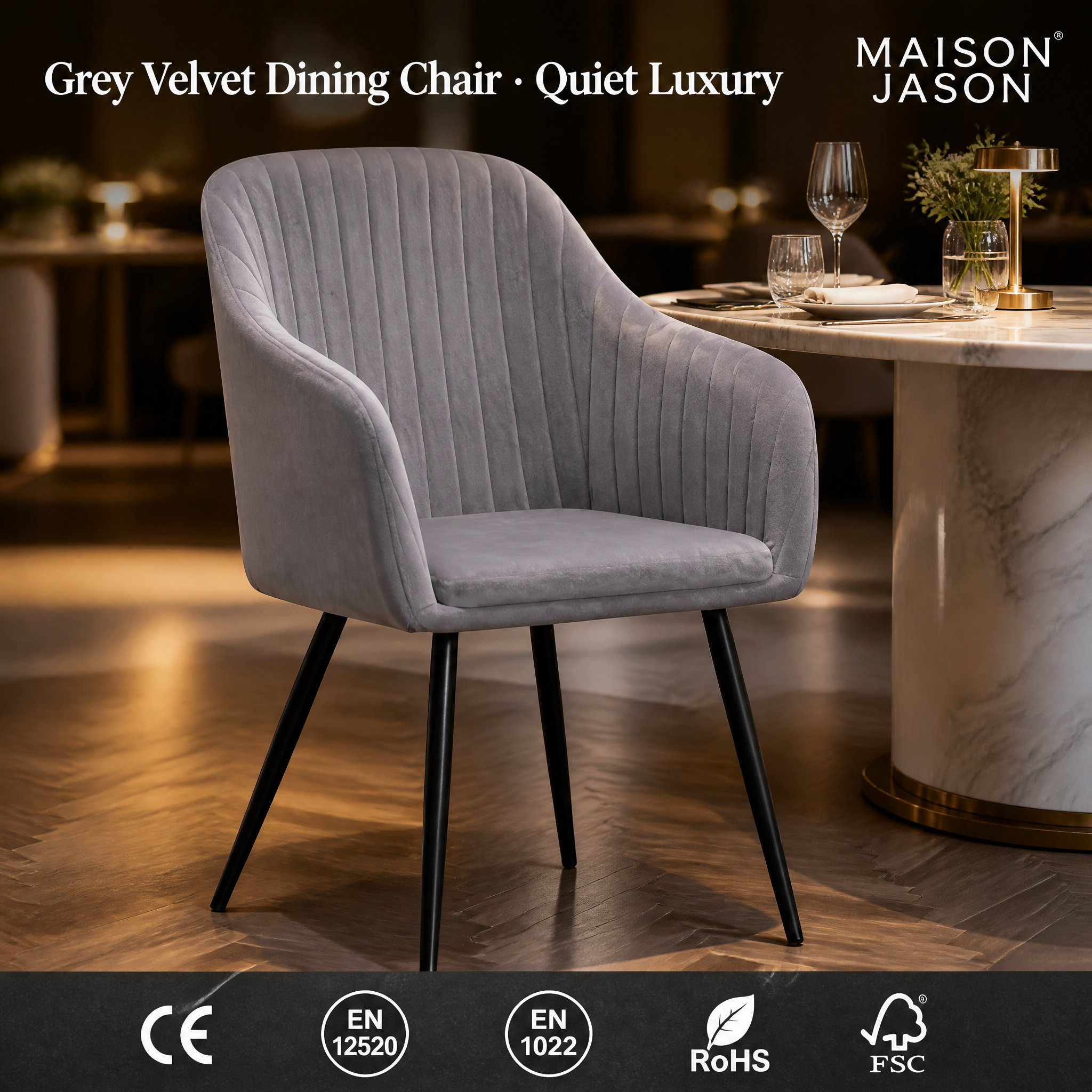
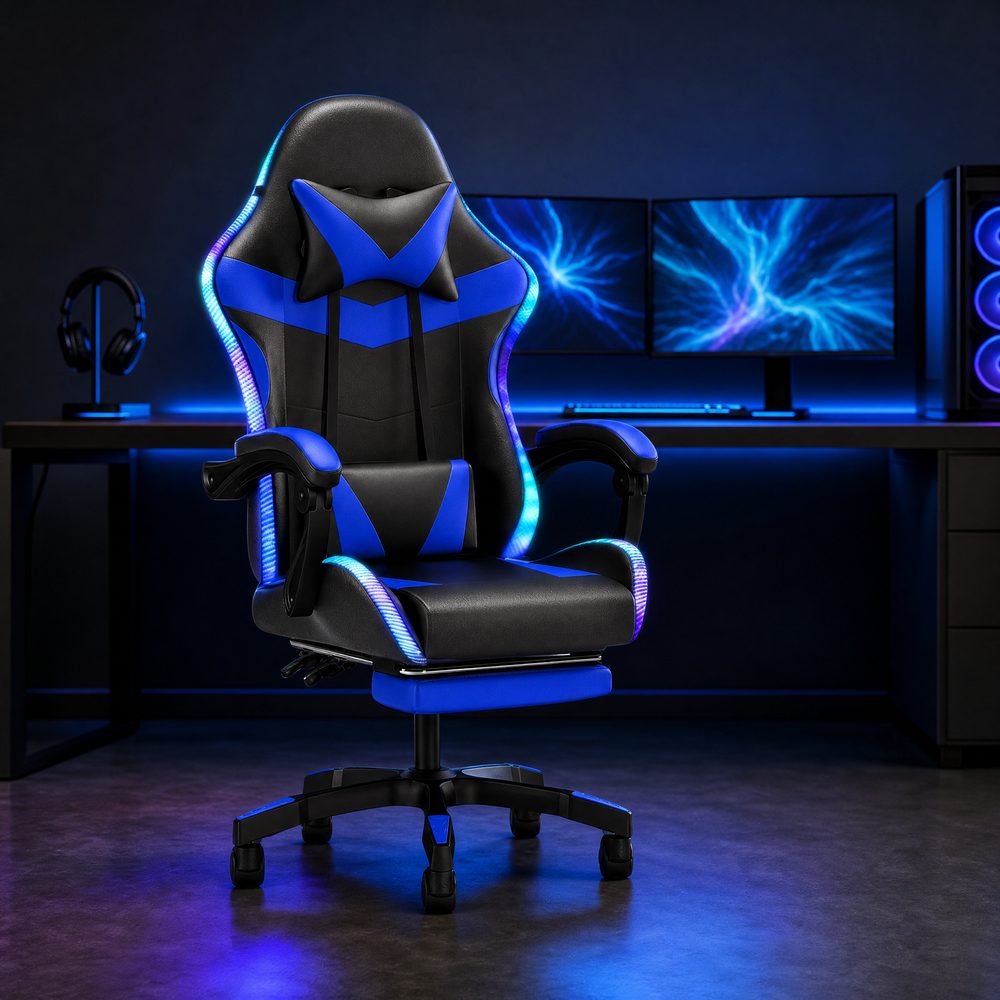
Direct manufacturing capacity operating under EN 12520, EN 1022, and ANSI/BIFMA safety baselines. From contract velvet dining armchairs to high-stress executive and ergonomic gaming seating, every frame undergoes rigorous mechanical load cycle verifications.
Engineered Quality Control & Northern China Production Scale
Tianjin Modku Furniture Manufacturing Co., Ltd. operates a vertically integrated industrial plant located in the heart of Tianjin’s metallurgical and furniture fabrication corridor. Direct proximity to Tianjin Xingang Port enables streamlined container consolidation, competitive freight routing, and complete oversight from raw steel fabrication to boxed freight.
Full manufacturing independence eliminates external trading agent overheads, safeguarding production predictability, schedule accuracy, and factory-direct wholesale pricing.
Rigorous Audit Protocols
Every lot is subjected to dimensional checks, joint fatigue stress, static base pressure tests, seam elongation, and drop packaging tests before container seal locking.
Portside Logistics Advantage
Located minutes from Tianjin Xingang Port. High-density KD (Knock-Down) packaging engineering optimizes container cubic meters (CBM), maximizing freight ROI per 40ft HQ.
Technical Support Team
Dedicated B2B project managers provide rapid 3D CAD analysis, finish master swatches, customs documentation, and unified container consolidation across broad furniture ranges.
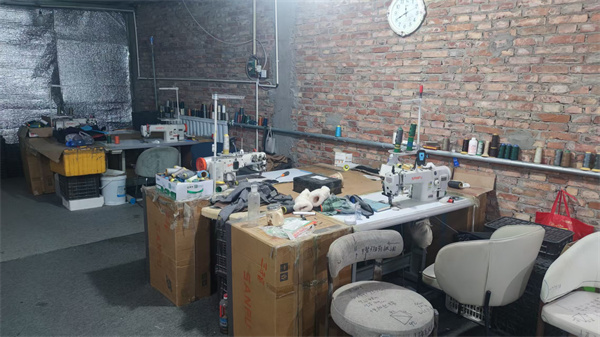
Assembly & Upholstery Workshops
Precision craftsmanship: ergonomic sewing, channel tufting, and continuous frame stress inspections on active production lines.
Double-wall ISTA-compliant protective cartons and internal EPE cushioning protect goods throughout ocean voyages.
Technical Whitepaper
Deconstructing CE Certification: EN 12520, EN 1022 & EN 1728 Norms
For international procurement directors, hotel chain developers, and volume furniture wholesalers, acquiring commercial dining seating bearing verifiable CE compliance is a statutory prerequisite for mitigating catastrophic civil liability, structural collapse claims, and import border seizures.
EN 12520 Mechanical Safety
Specifies the mechanical safety, structural strength, and static loading limits for all domestic seating. Testing dictates sustained static seat loads up to 1,600N (approx. 163kg) and 100,000+ fatigue cycle executions without joint displacement or weld rupture.
EN 1022 Stability Mechanics
Regulates overturning risks across front, rear, and lateral planes. Dining armchairs undergo severe unweighted edge-overturning force calculations, guaranteeing the chair will not tip when a patron leans heavily on arm extremities or backrest perimeters.
REACH & Flame Retardancy
CE audits for upholstered dining chairs examine compliance with EU REACH (EC 1907/2006), verifying zero hazardous phthalates, AZO dyes, or heavy metals in PU and velvet materials, supplemented by BS 5852 or EN 1021 fire-retardant foam formulations.
Testing Standard
Primary Evaluation Target
Factory Test Protocol Parameters
Commercial Value to Importers
EN 12520 (Clause 5.1)
Seat & Back Static Strength
1,600N applied downward to seat center; 560N applied to backrest across 10 sustained intervals.
Eliminates structural failure under sudden impact; safeguards commercial public liability.
EN 1728 (Clause 6.4)
Seat & Back Fatigue Durability
Cyclic loading of 1,000N on seat and 300N on backrest for 100,000 continuous alternating cycles.
Simulates 8-10 years of commercial restaurant or banquet use without weld failure.
EN 1022 (Clause 6.2 - 6.6)
Multi-Directional Stability
Overturning force vector applied to armrest top rail and rear edge at designated approach angles.
Eliminates tipping risk in high-density dining, hospitality, and event spaces.
EN 1021-1 & 2 / BS 5852
Upholstery Ignition Resistance
Smoldering cigarette and match-flame equivalent butane gas exposure on composite padding.
Ensures clearance for contract hotel projects, institutional dining, and municipal compliance.
The global contract seating industry is undergoing profound engineering pivots driven by international maritime supply chain realignments, carbon accounting, circular manufacturing standards, and hybridized commercial environments.
High-Density KD Engineering
Rising maritime freight expenditure has forced an architectural transformation in dining chair leg geometry. Modern factories prioritize 2-piece and 4-piece modular knockdown chassis that assemble rigidly in 60 seconds, reducing carton volume by up to 55% while retaining contract structural integrity.
Circular Carbon & Recycled Metallurgy
European and American regulatory bodies are ratifying carbon border tax guidelines (CBAM). Sourcing trends lean heavily toward powder-coated recycled aluminum, water-based non-toxic lacquer finishing, and 100% GRS-certified post-consumer recycled PET velvet upholstery fabrics.
Hybrid "Resimercial" Aesthetics
Hospitality, office breakrooms, and modern residential spaces are merging stylistically. B2B buyers require dining chairs providing domestic residential plushness combined with commercial wear endurance—utilizing Martindale rub test ratings exceeding 40,000 double rubs.
Supplier Traceability & Auditing
First-tier importers no longer rely on unverified vendor self-declarations. Sourcing protocols mandate authenticated mill test certificates (MTC) for steel pipe thickness, batch foam density certificates, and digital pre-loading quality reports documenting weld penetration and box burst strength.
Manufacturing Horizons
Engineering Evolution in Modern Chair Manufacturing
Advancements in metallurgy, surface passivation, and polymeric foam moulding have transformed standard dining and commercial task seating into high-performance industrial assets.
Thermoset Electrostatically Applied Coatings
Traditional wet painting has been replaced by multi-stage electrostatic thermoset polyester powders. Applied following acid phosphating, this finish offers salt-spray corrosion resistance exceeding 300 hours, eliminating chipping and edge peeling during transport and heavy venue usage.
High-Resilience Cold-Cured Molded Polyurethane
Modern dining armchairs utilize high-resilience (HR) cold-cured polyurethane foam (45–55 kg/m³) rather than slab-cut foam scraps. This prevents premature seat-pan sagging and maintains pristine structural profile support under continuous commercial hospitality rotations.
Precision Structural Laser Cutting & Robot Welds
Transitioning from manual welding torches to 6-axis robotic welding cells guarantees uniform weld penetration on carbon steel and aluminum joints. This delivers structural consistency across high-volume contract orders, preventing field joint failures.
Direct technical responses addressing regulatory compliance, commercial minimums, custom engineering, and international freight logistics.
What specific documentation proves genuine CE compliance for dining chairs?
Genuine CE validation for dining seating necessitates an accredited Third-Party Testing Report (issued by laboratories such as SGS, TÜV, Intertek, or BV) corroborating compliance with EN 12520 (safety, strength, and durability) and EN 1022 (stability). Buyers must also demand a Declaration of Conformity (DoC) referencing REACH compliance for chemical limits in coatings and upholstery materials.
What is the minimum order quantity (MOQ) for custom OEM and ODM orders?
Our standard production runs typically require an MOQ of 100 to 200 units per model/color for dining chairs and accent seating. However, for established distributors and project contractors undertaking multi-category sourcing, we support consolidated mixed-container orders combining outdoor patio, banquet, task, and dining models within one 40HQ container.
What are standard production lead times from deposit confirmation to port loading?
Mass production cycle benchmarks average 25 to 45 business days upon technical drawing sign-off and deposit receipt. For rapid prototype verification, sample chairs are fabricated and dispatched via express air courier within 7 to 12 days, ensuring physical comfort, seam quality, and leg alignment prior to full container manufacture.
Which shipping port and Incoterms are supported for international exports?
All factory-direct containerized consignments are staged and shipped out of Tianjin Xingang Port (CNTXG)—one of northern China's premier international deepwater container ports. We routinely execute standard commercial contracts under EXW, FOB Tianjin, CFR, and CIF designations, coordinating with your designated ocean forwarders or offering competitive freight forwarding through our verified carrier network.
Can the factory customize frame powder coat colors, upholstery fabrics, and branding?
Yes. OEM and ODM bespoke manufacturing is our primary enterprise capability. We offer tailored metal finishes (RAL color matching, electroplated brushed gold, matte powder coat), hundreds of contract upholstery fabrics (velvets, linen, bouclé, PU, genuine leather), fire-retardant foam certifications, custom silk-screen/woven brand tags, and custom exterior drop-test carton designs.
How does the factory manage quality control (QC) prior to container release?
We execute a three-tier quality control regimen: (1) IQC (Incoming Quality Control) for raw carbon steel tube gauge, wood moisture stability, and fabric rub resistance; (2) IPQC (In-Process Quality Control) monitoring CNC bending, automated welding integrity, and upholstery tension; and (3) OQC (Outgoing Quality Control) conducting random 100% pre-pack assemblies, drop testing, and photo documentation for buyer sign-off.
Initiate Your Commercial Seating Procurement Today
Contact our engineering sales department for full CE technical dossiers, product specification sheets, factory audit reports, and consolidated container quotations.