Verified Supplier Trade Assurance Factory-Direct · Tianjin, China
[email protected] 🇺🇸 English
0%

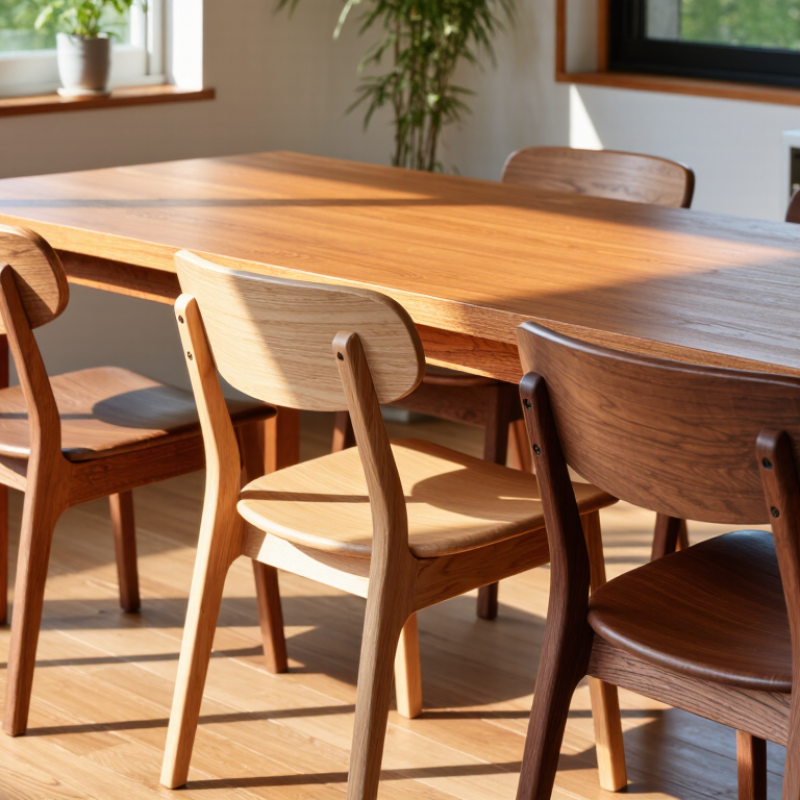
Wooden Dining Chairs remain popular because they bring warmth, strength, and visual character to an everyday gathering place. Their appeal is easy to picture: a solid oak frame beside a sunlit table, a smooth curved back beneath your hand, and a chair that feels at home in both a country kitchen and a modern dining room. Wood offers many finishes and shapes, so buyers can choose a simple, light-colored design or a darker, more traditional look. Small details matter.

A useful design perspective comes from architect Frank Lloyd Wright, whose work often emphasized natural materials. A line often attributed to him captures wood’s tactile appeal: “Wood is universally beautiful to man. It is the most humanly intimate of all materials.” That feeling helps explain why Wooden Dining Chairs can make a room seem welcoming without relying on elaborate decoration. Well-made chairs can also serve for years, and some can be repaired or refinished when scratches appear. Still, wood is not perfect. Different species, joints, finishes, and construction methods affect comfort, durability, and price; a chair that looks sturdy may not feel comfortable after a long meal. Moisture and everyday wear also require sensible care. Exploring these practical strengths and limitations reveals why wooden dining chairs remain a familiar choice—and what shoppers should inspect before bringing a set home.
Why Are Wooden Dining Chairs So Popular?

What Defines a Wooden Dining Chair?

A wooden dining chair is a seat whose frame, legs, or other main structural parts are made from wood. It may use solid timber, engineered wood, or a mixture of materials. The exact construction matters: a chair with wooden legs and a padded fabric seat is still commonly described as wooden, though wood is not its only material. The category is not always tidy.

Look at the joints, not just the finish. Tight connections and steady legs help a chair feel secure when someone shifts their weight. A smooth edge is comfortable against the back of a knee; a rough one can catch clothing or skin.

Wood grain, knots, and color vary naturally, so two chairs may not look identical. That variation is part of the material, not necessarily a flaw. Still, a glossy surface can hide details, and appearance alone cannot prove durability.

Seat height, back support, and the room around the table also shape how useful a chair feels in daily life.

A beautiful chair can be uncomfortable. It happens.

How Wood Supports Strength and Long-Term Use

Wooden dining chairs remain popular partly because well-selected wood can handle repeated daily movement. A chair’s strength depends on more than its species. Rail thickness, grain direction, and fitted joints all matter. On a sturdy chair, the legs meet the seat frame without obvious gaps, and the chair stays steady when weight shifts. Hardwoods such as oak or beech often resist dents better than many softer woods, though good construction can matter more than the label. Even good wood has limits. A thin rail or loose joint can make a chair wobble.

Wood also supports long-term use because small problems are often repairable. A screw can be tightened, a joint re-glued by a skilled repairer, and a scratched surface lightly refinished. Not every mark is a defect. Dining chairs face spills, warm hands, and floor scrapes. A sound finish slows moisture absorption, but does not make wood waterproof. Wipe spills promptly and keep chairs away from constant heat or strong sunlight, which can dry or fade the surface. Check joints every few months. It takes a minute. One caveat: repairs require care, and poorly matched parts or rushed glue work may weaken a chair further. Wood lasts best when its design, materials, and maintenance suit everyday use.

Why Wooden Chairs Suit Different Interior Styles

Why Are Wooden Dining Chairs So Popular?

Wooden chairs suit many interiors because their color, grain, and shape can shift the room’s mood. Pale oak with slim legs feels at home in Scandinavian spaces, especially beside linen and simple ceramics. Dark walnut brings more weight to traditional rooms, while a curved back can soften a clean, modern dining area. The material feels familiar. It also shows its character.

The finish matters as much as the wood. Matte surfaces and visible grain pair naturally with rustic or farmhouse interiors; smooth, restrained silhouettes work well in contemporary rooms. In eclectic spaces, mismatched wooden chairs can add warmth without making the table feel overly formal. I’ve found that matching every finish can look a little stiff, though a deliberate mix takes care. Consider seat height, back support, and how the chair looks beside your table—not just in a showroom.

Tips: Bring a fabric or paint sample when comparing wood tones. Check that chairs slide comfortably beneath the table, and test the seat for several minutes. A beautiful chair still needs to feel right.

How Comfort and Craftsmanship Shape Their Appeal

Wooden dining chairs remain popular because they combine everyday function with visible craftsmanship. A shaped backrest, smooth edges, and well-fitted joints can make a simple chair feel considered. Wood also brings natural variation: grain lines and small color differences give each chair its own character. These details matter most when the furniture is used daily, not just admired in a showroom.

Comfort depends on more than a soft cushion. Seat height, depth, and back angle affect how a chair feels during a long meal. A gently curved back can offer support, while a broad seat gives room to shift position. Still, wood is not automatically comfortable. A stiff seat or sharp edge may become noticeable after an hour. Finishing quality matters, too; rough spots can catch clothing or feel unpleasant against the hand. Craftsmanship is practical as well as visual, though even careful construction cannot fix a poor fit for every body.

Tips: Sit in a chair before buying, if possible. Check that your feet rest comfortably on the floor and the table edge does not press into your legs. Run a hand along the seat and joints for rough patches. Cushions can help, but they may hide an awkward seat shape rather than solve it.

Why Are Wooden Dining Chairs So Popular? - How Comfort and Craftsmanship Shape Their Appeal

Dimension Typical Characteristics How It Shapes Comfort or Craftsmanship Practical Consideration
Frame material Chairs are commonly made from hardwoods such as oak, beech, maple, or ash, as well as softwoods such as pine. Wood provides a firm structure that can support a range of frame shapes and joinery methods. Wood species differ in grain, weight, hardness, and appearance; the material alone does not determine overall quality.
Seat shape and support Seats may be flat, shaped, woven, or fitted with an upholstered cushion. A well-proportioned seat can distribute pressure more comfortably; cushioning adds softness but changes the feel and upkeep. Comfort depends on seat depth, width, height, shape, and the person using the chair.
Backrest design Common forms include ladder backs, slats, curved backs, and solid panels. Backrest angle, height, and shape affect how the chair supports the sitter and allows movement. Trying a chair in person can help assess whether its backrest suits the intended use.
Joinery and construction Wooden frames may use mortise-and-tenon joints, dowels, screws, or other construction methods. Careful fitting and assembly help a chair remain stable during regular use. Check that the chair sits level and feels sturdy; joinery quality varies among chairs.
Finish and surface Finishes can include clear coatings, paint, stain, or oil-based treatments, depending on the product. Finishing protects and highlights the surface while contributing to the chair’s color and tactile character. Care instructions vary by finish; follow the maker’s guidance for cleaning and maintenance.
Repair and maintenance Depending on its construction and condition, a wooden chair may be tightened, refinished, or repaired. Repairable parts can help extend a chair’s useful life and preserve its character. Repairability is not guaranteed; damage, materials, and construction affect what can be restored.
Style and adaptability Wood can be shaped and finished in traditional, contemporary, rustic, or minimalist designs. Its visible grain and varied finishes make it suitable for many dining-room styles. Match chair dimensions and seat height to the dining table, leaving comfortable legroom.

Why Cost, Maintenance, and Sustainability Matter

Wooden dining chairs often cost more upfront than lightweight alternatives, but the purchase price tells only part of the story. A loose joint can often be tightened, and a scratched seat can be sanded or refinished. That can make years of daily meals easier to accommodate. Still, “wood” covers many grades and constructions; a poorly joined chair may not repay its higher price. Check for stable joints, smooth edges, and a finish that suits your household. Spills need prompt attention, and direct heat or strong sunlight can fade or dry the surface. Small chores, really.

Maintenance depends on the room, too. The USDA Forest Products Laboratory’s Wood Handbook explains how moisture changes can affect wood’s dimensions. In a dining space, wiping spills quickly and keeping humidity reasonably steady can help limit movement and finish damage. Repairs are not effortless, and refinishing takes time. That trade-off deserves a clear look.

Sustainability also depends on more than the chair’s material. The U.S. Environmental Protection Agency estimated that Americans generated 12.1 million tons of furniture and furnishings in 2018; roughly 74 percent went to landfills. A chair that remains useful through repair may delay disposal, but only if it is built to last. Ask about responsibly sourced timber, durable finishes, and replaceable parts. Wood is not automatically the greener choice: sourcing, adhesives, transport, and years of actual use all matter.

FAQS

What makes a dining chair a wooden chair?

Its frame, legs, or main structural parts are made from wood. A padded fabric seat can still fit the description.

Does a wooden chair need to be made from solid timber?

No. It may use solid timber, engineered wood, or a mix of materials.

How can I check whether a chair feels well made?

Look at the joints and test whether the legs feel steady. Run your hand over the seat and edges for rough spots.

Do natural grain and color differences mean a chair is damaged?

Not necessarily. Wood grain, knots, and color vary naturally, so chairs may not match exactly.

How do I choose a wooden chair for my room?

Match the wood tone and shape to the room’s mood. Pale wood can feel light; dark wood adds visual weight.

Will a wooden chair always be comfortable?

No. Seat height, depth, and back angle affect comfort. A sharp edge may bother your knees after an hour.

What should I check before buying a dining chair?

Sit in it for several minutes, if possible. Check that your feet reach the floor and the table edge does not press your legs.

Can a cushion fix an uncomfortable wooden seat?

It may help, but it can also hide an awkward seat shape. That is worth thinking about.

Conclusion

Wooden Dining Chairs remain popular because they combine practical strength with a warm, natural appearance. Made from materials such as oak, beech, or other solid woods, they can provide dependable support for everyday meals and, with proper care, serve a household for many years. Their simple forms and varied finishes also make them easy to pair with different interior styles, from traditional dining rooms to clean, contemporary spaces.

Comfort and craftsmanship add to their lasting appeal. Thoughtful proportions, supportive backs, and carefully finished surfaces can make a chair pleasant to use, while sturdy construction helps it feel reliable. Wooden chairs may also be a cost-effective choice over time, since regular dusting and occasional care can help preserve their appearance. For shoppers who value renewable materials, responsibly sourced wood offers another reason to consider them. Together, durability, versatility, comfort, and manageable upkeep explain why these chairs continue to suit so many homes.

Oliver

Oliver

Oliver is a marketing professional with a deep understanding of the company’s products, their practical applications, and the needs they are designed to address. He regularly contributes expert articles to the company website, sharing clear, useful information to help readers make informed......